
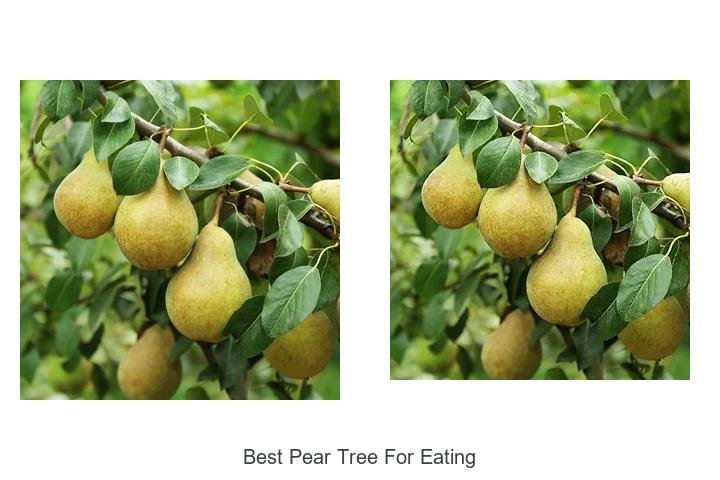
Discover the Ultimate Best Pear Tree for Eating!
Selecting the optimal cultivar for delectable fruit involves a complex understanding of pomology and cultivar adaptability. In the world of pear trees, factors such as chill hours, rootstock compatibility, and resistance to pests and diseases play crucial roles in determining which variety may earn the title of the best pear tree for eating.
As tastes evolve and horticultural techniques advance, distinguishing between the myriad options available becomes an intricate journey for growers and enthusiasts alike. Explore this facet of agricultural mastery to uncover which pear tree cultivars promise both succulent harvests and sustainable growth in your landscape.
Delve deeper into discover which pears rise above the rest.
Discover the Cream of the Crop: Top Pear Varieties for A Tasty Bite
| Image | Product | Price |
|---|---|---|
Pick 1  | TomorrowSeeds – Bartlett Pear Tree Seeds – 60+ Count – | Check Price On Amazon |
Pick 2  | TomorrowSeeds – Bartlett Pear Tree Seeds – 20+ Count – | Check Price On Amazon |
Pick 3 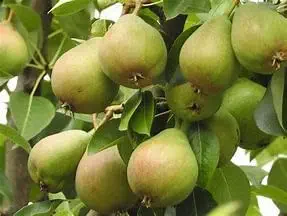 | Kieffer Pear Tree, Bareroot, 2 ft Tall, Fruit Bearing | Check Price On Amazon |
1. TomorrowSeeds – Bartlett Pear Tree Seeds – 60+ Count –
Unlock the full potential of your home orchard with the TomorrowSeeds Bartlett Pear Tree Seeds. Known as the best pear tree for eating, these seeds promise a bounty of sweet, juicy pears that are perfect for both fresh consumption and culinary creations.
Renowned for its adaptability, the Bartlett Pear Tree thrives across diverse climates, offering cold-hardiness and reliable fruit production. With its beautiful spring blossoms and vibrant fall foliage, it doubles as a stunning ornamental addition to any garden.
Pros
- Produces delicious pears ideal for fresh eating or cooking.
- Adaptable to a range of climates, providing cold-hardiness.
- High yield and ornamental beauty with seasonal changes.
Cons
- May require space and patience for maturation and fruiting.
Elevate your garden with the TomorrowSeeds Bartlett Pear Tree Seeds, which deliver both beauty and bounty. At an affordable price, this seed pack is a cost-effective investment in your garden’s productivity and aesthetics, making it an exemplary choice against other fruit plants in the market.
2. TomorrowSeeds – Bartlett Pear Tree Seeds – 20+ Count –
Discover the beauty and bounty of a home-grown orchard with TomorrowSeeds’ Bartlett Pear Tree Seeds. Renowned for producing the best pear trees for eating, these seeds promise not only a delightful harvest but also an ornamental addition to your garden. Get ready to experience the sweet satisfaction of juicy, home-picked Bartlett pears.
Get ready to experience the sweet satisfaction of juicy, home-picked Bartlett pears.
Each packet contains over 20 seeds known for thriving in diverse climates, ensuring robust growth and high yield. This cold-hardy variety is the perfect blend of aesthetic appeal, with its breathtaking blooms, and practicality, offering reliable seasonal fruit production for both culinary and fresh-eating purposes.
Pros
- Produces sweet, juicy fruits ideal for fresh eating and cooking.
- Highly cold-hardy and adaptable to various growing conditions.
- Enhances garden aesthetics with beautiful spring blossoms and vibrant fall colors.
Cons
- Requires space and time to cultivate and mature fully.
For anyone in search of the best pear tree for eating, the Bartlett Pear Tree Seeds from TomorrowSeeds offer both quality and charm. With an affordable price, they stand out among similar products, providing excellent value for budding gardeners and seasoned horticulturists alike.
3. Kieffer Pear Tree, Bareroot, 2 ft Tall, Fruit Bearing
Discover the Kieffer Pear Tree, an ideal addition to your garden for those seeking the best pear tree for eating. Standing at 2 feet tall, this hardy tree promises golden-yellow pears with a slight reddish blush, offering excellent disease resistance and adaptability to various environments.
The Kieffer Pear Tree is an easy-to-plant specimen known for its impressive growth to 20 feet tall. Shipping bareroot without soil ensures optimal transplanting success. With its self-pollinating capabilities, expect a fruitful harvest boasting large, firm pears perfect for snacking or culinary delights.
With its self-pollinating capabilities, expect a fruitful harvest boasting large, firm pears perfect for snacking or culinary delights.
Pros
- Produces large, delicious pears with golden-yellow skin and a red blush.
- Self-pollinating and suitable for various soil types.
- Excellent disease resistance and thrives in USDA zones 5-9.
Cons
- Not available for shipment to California or Hawaii.
With outstanding reviews, the Kieffer Pear Tree stands out as a top choice for gardeners looking to enjoy delectable home-grown pears. Its versatility and resilience make it a smart investment for a thriving garden.
4. American Plant Exchange Flordahome Pear Trees, 5 Gallon Pot, 3-4ft
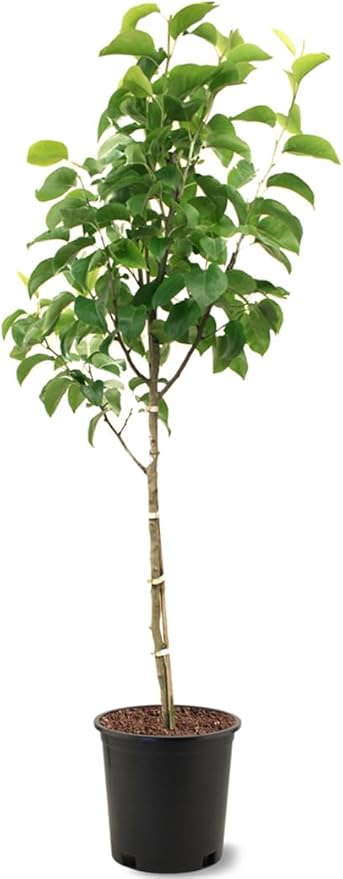
Transform your garden into a fruitful haven with the American Plant Exchange Flordahome Pear Trees. Standing tall at 3-4 feet in a 5-gallon pot, these elegant trees bring the joy of homegrown pears right to your doorstep, promising luscious harvests and elegant spring blossoms.
The Flordahome Pear Trees are not just about delectable fruit; their semi-self-pollinating nature ensures an easy-care experience for both novice and experienced gardeners. Beautiful white blooms decorate these trees each spring, turning your outdoor space into a picturesque scene, while delivering fresh, organic pears season after season.
Pros
- Perfect addition for large and small outdoor spaces.
- Produces delicious pears ideal for consumption and canning.
- Low-maintenance cultivation due to minimal pollination requirements.
Cons
- Requires regular watering and well-drained soil to thrive.
Whether you’re a culinary enthusiast craving fresh produce or a gardener looking to enhance your landscape, these pear trees offer unmatched elegance and utility. Compared to standard fruit trees, the combination of easy maintenance and exquisite flowering makes them a standout choice for your garden.
5. Asian Pear Tree | Premium Seeds | Pyrus pyrifolia ‘Fruit’

Discover the garden gem that combines beauty and flavor with our Asian Pear Tree Premium Seeds. This species offers more than just delicious fruit—it’s a stunning addition to any landscape, promising perennial visual interest and flavorful harvests right at home.
Our Asian Pear Tree seeds are a top choice among garden enthusiasts. Known for their crisp, sweet flavor, these fruits also boast a delightful blend of grainy texture. Paired with the tree’s fragrant blossoms and striking seasonal foliage, it’s a perfect blend of utility and natural beauty.
Paired with the tree’s fragrant blossoms and striking seasonal foliage, it’s a perfect blend of utility and natural beauty.
Pros
- Fragrant blossoms attract pollinators, enhancing your garden’s ecosystem.
- Produces versatile fruit ideal for fresh eating, cooking, and preserving.
- Hardy in various climates, making it suitable for diverse regions.
Cons
- Requires moderate watering to prevent root issues and ensure healthy growth.
With robust seeds sourced and packaged in the USA, our Asian Pear Tree is the best pear tree for eating enthusiasts, promising reliable growth and a bountiful yield. Compared to other species, this tree offers superior hardness and fruiting capabilities, making it a standout choice for any fervent home gardener.
6. Common Pear Tree Seeds, 30 Seeds Per Packet, Isla’s Garden

Experience the joy of home-grown fruit with Common Pear Tree Seeds from Isla’s Garden. Known for producing delicious Bartlett pears, this is the best pear tree for eating, offering abundant yields straight from your garden. Cultivate these robust trees to enjoy the sweet, juicy fruits and enhance your landscape with nature’s bounty.
Cultivate these robust trees to enjoy the sweet, juicy fruits and enhance your landscape with nature’s bounty.
The Common Pear Tree, Pyrus communis, adds both flavor and beauty to your garden. Reaching heights of 20-30 feet, it flourishes in USDA Zones 4- Prioritize a spring planting, ensuring these seeds receive 60 days of cold stratification for optimal germination, and enjoy the stunning fall colors as the seasons change.
Prioritize a spring planting, ensuring these seeds receive 60 days of cold stratification for optimal germination, and enjoy the stunning fall colors as the seasons change.
Pros
- Produces high-quality, edible Bartlett pears
- Stunning seasonal aesthetics with red to maroon fall foliage
- High germination rate with proper stratification
Cons
- Requires cold stratification period for successful germination
At a price of just $7, the Common Pear Tree Seeds from Isla’s Garden offer excellent value for aspiring gardeners eager to grow fruit-bearing trees. Compared to purchasing an already grown pear tree, these seeds provide a cost-effective and rewarding horticultural experience.
7. American Plant Exchange Kieffer Pear Trees, 5 Gallon Pot, 3-4

Transform your garden into a vibrant sanctuary with the American Plant Exchange Kieffer Pear Trees. Renowned as the best pear tree for eating, this 5-gallon wonder not only beautifies your space with stunning white blooms but also gifts you a harvest of delicious, home-grown pears.
Standing at a lush 3-4 feet tall, these live trees offer a versatile bounty perfect for both fresh munching and delightful canning. This horticultural marvel suits all gardening levels, from the seasoned green thumb to the casual gardener.
Pros
- Attractive; enhances garden aesthetics with white flowers
- Easy to maintain with simple care instructions
- Pet-friendly, ensuring safe gardening around furry companions
Cons
- Requires partial shade, limiting placement options in full sun areas
Revitalize your home garden with this pear tree, paralleled by its easy upkeep and pet-safe characteristics. Its organic charm and bountiful yield make it a standout choice. For those seeking the best pear tree for eating and ornamental allure, the Kieffer Pear Tree is unparalleled.
For those seeking the best pear tree for eating and ornamental allure, the Kieffer Pear Tree is unparalleled.
8. Kieffer Pear Tree 4-5′
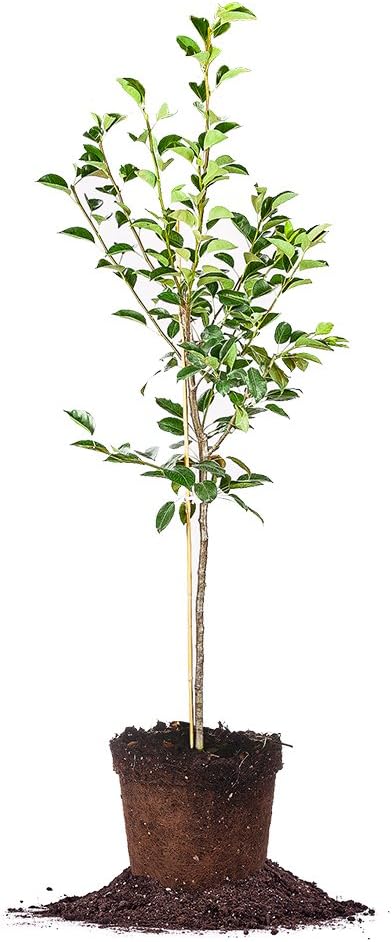
Discover the joy of sweet, crisp pears straight from your backyard with the Kieffer Pear Tree. Celebrated for its delicious fruit and ease of care, it’s no wonder horticulturists have praised this tree since the 1870s.
Perfect for both the new and seasoned gardener aiming to grow the best pear tree for eating.
With a mature height of 15-25 feet and hardy in zones 4-9, the Kieffer Pear Tree flourishes in diverse climates. Its pears, perfect for fresh consumption, baking, or cooking, ripen beautifully by September. A low-maintenance marvel, it seeks just full sun and well-drained soil for optimal growth.
Pros
- Produces sweet and versatile pears, ideal for multiple culinary uses.
- Adaptable growth, thriving in a wide range of climates and soil types.
- Low-maintenance care, making it suitable for both new and experienced gardeners.
Cons
- Unavailable for shipping to Arizona or California due to state regulations.
In choosing the Kieffer Pear Tree, you’re investing in a reliable fruit producer cherished for its flavor and minimal care requirements. Compared to other cultivars, it stands out for its robustness and widespread adaptability, ensuring a delightful pear harvest year after year.
9. Perfect Plants Ayers Pear Tree 4-5 Feet | Live Trees

Transform your garden into a haven for flavor with the Perfect Plants Ayers Pear Tree. Known as the best pear tree for eating, this delightful fruit tree promises not just delicious and healthy sugar pear fruits but also a charming aesthetic with its spring blooms.
The Ayers Pear Tree stands at an accommodating 4-5 feet, ideally suited for outdoor planting. It flourishes in USDA Hardiness Zones 5 through 9, demanding full sun exposure and regular watering for best results. Aside from providing mouth-watering pears, this tree attracts pollinators while resisting deer.
Pros
- Produces delicious sugar pears perfect for eating and health benefits.
- Attracts beneficial pollinators to your garden.
- Deer-resistant, ensuring minimal disturbance to your garden’s ecosystem.
Cons
- Requires consistent watering and care during its growth cycle.
Embrace the beauty and taste offered by the Perfect Plants Ayers Pear Tree. With its ability to thrive under proper care and deliver delightful fruits, it stands apart as an ideal choice for pear lovers.
Compare with other fruit trees, and you’ll find its blend of rustic charm and fruit production unmatched.
10. Anjou pear Tree, Bare Root, grafted 1 Year Old Plant

Discover the perfect addition to your home orchard with the Anjou Pear Tree, known as the best pear tree for eating. Expertly grafted and carefully cultivated, this 1-year-old bare root plant promises a bountiful harvest of flavorful pears right in your backyard or garden.
This European winter variety originates from France’s Loire Valley and is cherished for its juicy, sweet flavor and versatility in culinary uses. Anjou pears ripen from the inside out, offering delicious, ripe fruit even when the skin remains unchanged.
Pros
- Long shelf life ensures fresh pears year-round.
- Easy ripeness check via the gentle neck press method.
- Thrives in USDA Hardiness Zones 5-9, adaptable to various climates.
Cons
- Requires regular watering to maintain moisture, especially during hot seasons.
Overall, the Anjou Pear Tree is an excellent investment for fruit enthusiasts seeking reliable and delicious yields. Priced competitively at $55, it stands out among other fruit plants for its long-lasting benefits and ease of growth, making it a staple in garden cultivation.
Discover the Perfect Pear: A Buying Guide to the Best Pear Trees for Delicious Eating
Climate compatibility
Integration or adaptability significantly enhances the usability and value of products by ensuring they mesh well with existing systems. Evaluating how a pear tree adapts to the local climate, including USDA hardiness zones, is crucial for its successful growth. Temperature tolerance is a key factor, as it determines whether the tree will thrive or struggle in specific environments.
Temperature tolerance is a key factor, as it determines whether the tree will thrive or struggle in specific environments. Equally important is how the tree copes with local humidity levels, which can influence growth patterns and fruit quality. Understanding these compatibility aspects allows for better decision-making, ensuring that the tree not only survives but flourishes, contributing positively to the ecosystem and yielding delicious fruit.
Pollination needs
Evaluating how well a pear tree integrates with its environment is crucial because its adaptability can significantly enhance its fruit production and health. A variety that excels in integrating with local pollinator species promotes better fruit quality due to effective pollination practices. Understanding whether a tree is self-pollinating or requires cross-pollination helps in planning for compatible planting arrangements, ensuring that recommended pollinator varieties are accessible within the area.
Also, synchronization of bloom times between your pear tree and its pollinators is essential for maximizing fruit set. Taking these factors into account ensures not only a bountiful harvest but also contributes to the sustainability of the local ecosystem, enhancing overall garden productivity.
Variety selection
Evaluating how a pear tree adapts or integrates with other products is crucial because it directly impacts both its growth and fruit quality. Choosing a tree that thrives in your climate involves understanding its chill hour requirements, which determines its ability to produce fruit effectively. Equally important is considering how well a tree resists local diseases, ensuring long-term health and productivity without the need for excessive chemical interventions.
A well-adapted pear tree will harmonize with native plants and local pollinators, leading to a more sustainable and fruitful garden ecosystem. Additionally, catering to taste preferences by selecting varieties suited to your palate enhances the enjoyment and satisfaction from your harvest, making integration and adaptability key factors in the value of your choice.
Growth characteristics
Understanding how a fruit tree complements its surroundings can substantially boost its overall functionality in a garden setting. A tree that adapts well enhances not only the harmony of your space but also its aesthetic appeal, making it a focal point of natural beauty. Additionally, examining the growth rate and maturity time is vital since it helps in predicting how the tree will develop in the context of its environment, ensuring it doesn’t outgrow its allotted space.
Additionally, examining the growth rate and maturity time is vital since it helps in predicting how the tree will develop in the context of its environment, ensuring it doesn’t outgrow its allotted space. This also allows for better planning regarding tree size and space requirements, preventing overcrowding or competition with other plants. Ultimately, the adaptability of a tree to integrate with pre-existing conditions and elements significantly influences its role and contribution to a thriving landscape.
Maintenance and care
Evaluating how well a product adapts to or integrates with other items is crucial to maximizing its functionality and longevity. For instance, a pear tree that integrates seamlessly with your local ecosystem reduces the time and resources needed for upkeep.
Compatibility with existing products, like soil amendments or pest control systems, ensures that the fertility and health of the tree are supported by synergistic relationships, allowing it to thrive with minimal interference. Moreover, a harmonious integration helps mitigate the concerns of Pruning requirements, ensuring that these activities are more routine rather than constant. Fertilization needs are also simplified when the chosen products complement the tree’s natural growth processes, reducing the necessity to frequently adjust methods or materials.
Effective integration aids in managing pest and disease threats, offering a natural deterrent and making maintenance more efficient and less labor-intensive. This holistic approach to adaptability boosts the overall value, reducing long-term costs and enhancing the satisfaction of the investment.
FAQ’s
What Are The Most Popular Pear Tree Varieties Known For Producing The Best-Tasting Fruit?
Some of the most popular pear tree varieties known for producing the best-tasting fruit include the Bartlett, Anjou, and Bosc pears. These varieties are celebrated for their juicy texture and sweet, flavorful taste.
Which Pear Tree Variety Is Best Suited For Home Gardens If The Primary Goal Is Delicious, Fresh-Eating Pears?
The Bartlett pear tree variety is often considered the best choice for home gardens if the goal is to enjoy delicious, fresh-eating pears, as it offers sweet, juicy fruit with a classic pear flavor. It is also relatively easy to grow and adapt to various climates.
How Do Climate And Soil Conditions Affect The Flavor And Quality Of Pears From Different Pear Tree Types?
Climate and soil conditions influence the sugar content, acidity, and texture of pears, varying these attributes among different pear tree types due to how each variety absorbs nutrients and responds to environmental stresses. Pears grown in well-drained, loamy soil with optimal temperature ranges typically develop better flavor profiles and superior quality.
What Are The Key Differences In Care And Maintenance Between Pear Trees Grown For Eating Versus Those Grown For Ornamental Purposes?
Pear trees grown for eating typically require more focused care, including regular pruning, pest control, and fertilization to maximize fruit production and quality. In contrast, ornamental pear trees prioritize aesthetic appearance and thus often need shaping and disease management to maintain their visual appeal, with less emphasis on fruit yield.
How Do Asian Pears Compare To European Pear Varieties In Terms Of Sweetness And Texture For Eating?
Asian pears are generally crisper and juicier with a high water content, offering a mild sweetness, while European pear varieties tend to be softer and buttery in texture with a sweeter, more concentrated flavor. This makes Asian pears refreshing to eat, akin to apples, while European pears provide a richer, dessert-like quality.
Conclusion
Summary: Choosing the best pear tree for eating depends on your preference for flavor, texture, and growth conditions. Some of the top choices include ‘Bartlett’ for its classic taste, ‘Bosc’ for its unique texture, and ‘Anjou’ for its juicy sweetness.