When Can You Swim After a Tattoo?
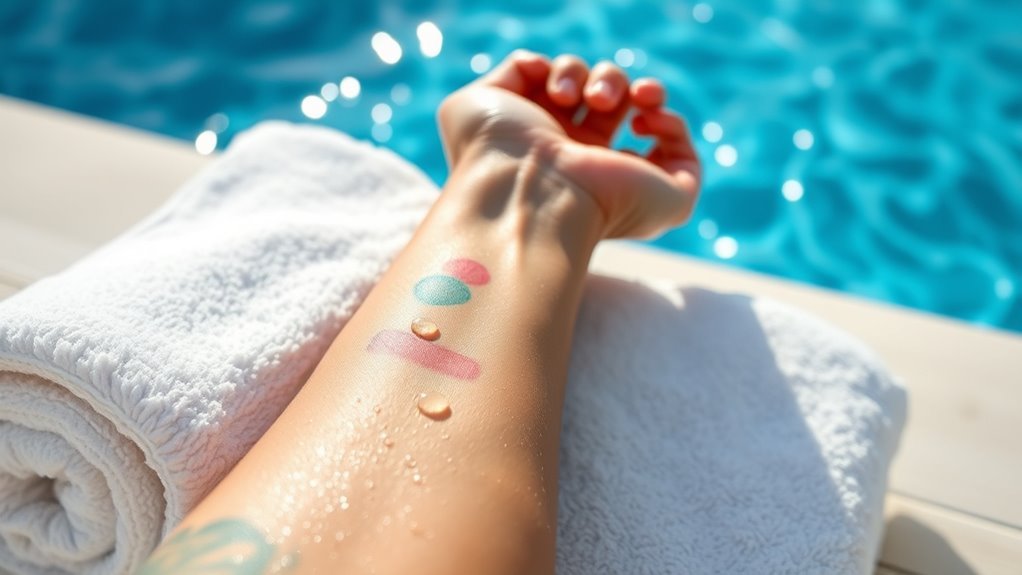
You should wait at least 2 to 4 weeks before swimming after getting a tattoo to avoid infection and protect its appearance. Proper tattoo aftercare is essential to ensure your skin heals well and your tattoo remains vibrant.
Your skin needs to fully heal—meaning scabs have naturally fallen off and the area is no longer red or raw. Swimming too soon can cause irritation, fading, or damage to the fresh ink.
Once your tattoo looks smooth and feels comfortable, you’re likely ready to swim. Keep following care tips to guarantee ideal healing and good results ahead.
Understanding Tattoo Healing Stages
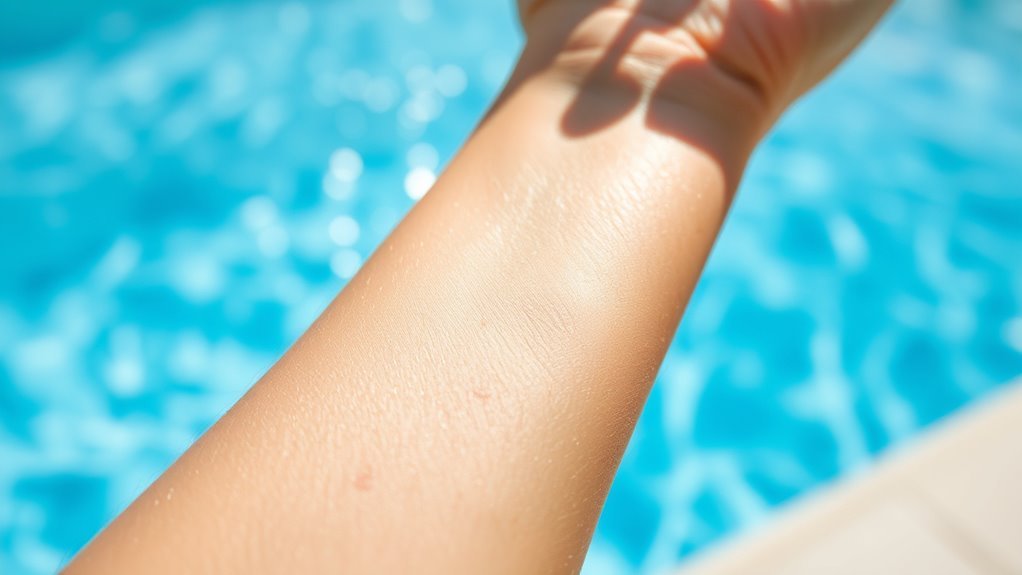
Although getting a tattoo is exciting, you need to understand how your skin heals before jumping into swimming. Your tattoo goes through several healing stages that affect when you can safely swim.
First, the skin forms a protective scab, sealing the ink underneath. During this phase, your tattoo is vulnerable to infection and damage.
Next, new skin cells regenerate, and the scab begins to flake off. This stage is vital because your tattoo can still be sensitive and prone to irritation.
Finally, the skin fully restores itself, and the tattoo settles into its final appearance.
You should wait until the outer skin layer is completely healed and no scabs or peeling remain before exposing your tattoo to water, especially in pools or natural bodies of water.
Risks of Swimming Too Soon After a Tattoo
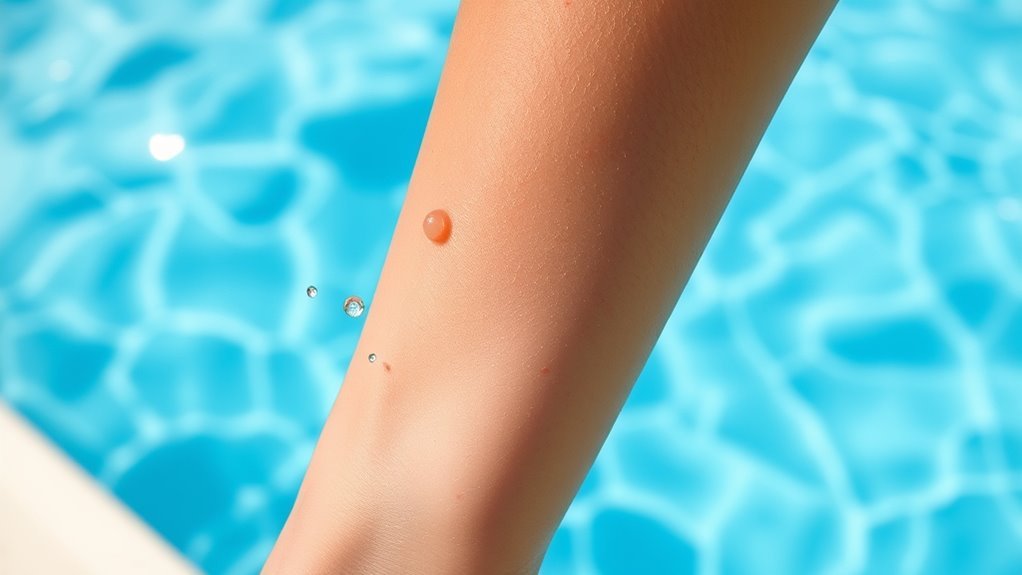
If you swim too soon after getting a tattoo, you risk exposing your fresh ink to bacteria and harsh chemicals that can cause infection and fading. Pools, lakes, and oceans all contain microorganisms that can easily enter the open skin of a new tattoo, leading to painful infections.
Swimming too soon after a tattoo risks infection and fading from bacteria and harsh chemicals in water.
Chlorine and saltwater can also irritate your sensitive skin, slowing down the healing process and causing the colors to blur or fade.
Additionally, soaking your tattoo can cause the scabs to soften and peel prematurely, which may result in patchy or uneven healing.
By ignoring these risks, you not only jeopardize your health but also the quality and appearance of your tattoo.
How Long to Wait Before Swimming
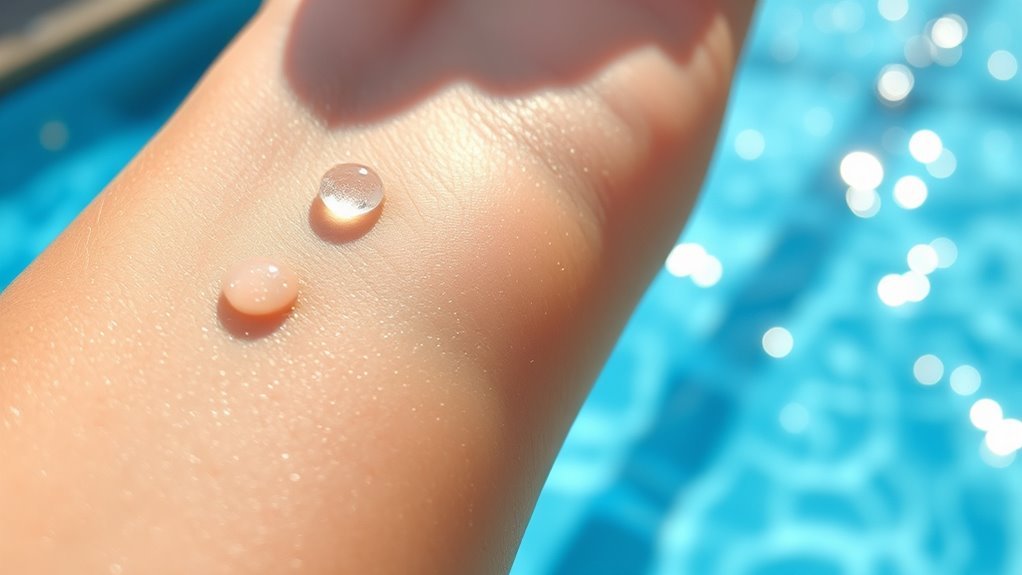
Since your tattoo needs time to heal properly, you should wait at least two to four weeks before swimming. This waiting period helps prevent infections and makes sure your skin isn’t irritated by water exposure.
Healing times vary depending on the tattoo size, placement, and your skin type. During this time, keep your tattoo clean and moisturized.
| Healing Stage | Recommended Wait Time |
|---|---|
| Initial Healing | 2 weeks |
| Full Surface Healing | 3-4 weeks |
| Complete Healing | Up to 6 weeks |
If you swim too soon, you risk damaging your tattoo and prolonging healing. Always observe your skin—if it’s still scabbing or looks raw, wait longer.
When unsure, consult your tattoo artist or a medical professional before taking a dip.
Differences Between Pool, Ocean, and Hot Tub Water
Knowing how long to wait before swimming is just one part of protecting your new tattoo. You also need to contemplate the type of water you’re entering. Pool water contains chlorine, which can irritate your fresh tattoo and slow healing.
Ocean water, while natural, holds bacteria and salt that might cause infection or dryness. Hot tubs pose an even greater risk since warm water encourages bacteria growth and open pores can let those germs in easily.
Each environment brings unique challenges for your sensitive skin. So, even after waiting the recommended time, be cautious about where you swim.
Pools may feel safer but still carry chemicals; oceans expose you to microbes, and hot tubs can be the riskiest.
Protect your tattoo by choosing the safest option and giving your skin time to heal fully.
Signs Your Tattoo Is Ready for Swimming
Before you dive back into the water, you’ll want to look for clear signs that your tattoo has healed enough to handle swimming. First, check that the scabs have completely fallen off on their own, no peeling or picking.
Your tattoo should no longer feel raw or painful; instead, it should be smooth and dry.
The skin needs to have returned to its normal texture and color, without redness, swelling, or irritation. If your tattoo looks flaky or shiny, it’s still healing.
Also, avoid swimming if you notice any oozing or crusting.
When your tattoo feels like regular skin and shows no signs of inflammation, it’s generally safe to swim. Listening to your body and giving your tattoo enough time ensures proper healing before water exposure.
Tips for Protecting Your Tattoo While Swimming
Once your tattoo has fully healed and you’re ready to swim, taking steps to protect it can help maintain its vibrancy and prevent damage. Use waterproof sunscreen to shield your tattoo from UV rays and avoid prolonged exposure.
Limit swimming time in chlorinated or saltwater pools and always rinse your tattoo with fresh water afterward. Avoid rubbing or scratching the tattoo to prevent irritation.
Covering your tattoo with a waterproof bandage during swimming can offer extra protection.
| Tip | Why It Matters |
|---|---|
| Apply waterproof sunscreen | Protects from UV fading |
| Limit swim duration | Reduces exposure to irritants |
| Rinse with fresh water | Removes chlorine and salt |
| Avoid scratching | Prevents irritation and damage |
| Use waterproof bandage | Adds a protective barrier |
How to Care for Your Tattoo After Swimming
After swimming, you should gently clean your tattoo with fresh water to remove any chlorine, salt, or bacteria that could cause irritation. Use your clean hands, avoid rough cloths or sponges, to softly rinse the area.
Pat the tattoo dry with a clean, soft towel; don’t rub it. Once dry, apply a thin layer of a fragrance-free, gentle moisturizer or a tattoo-specific aftercare ointment to keep the skin hydrated and promote healing.
Avoid heavy creams or petroleum-based products that can clog pores. If your tattoo feels itchy or tight, moisturizing helps soothe it.
Keep monitoring your tattoo for any signs of infection or unusual changes, and always follow your tattoo artist’s aftercare advice. Proper care after swimming helps preserve your tattoo’s appearance and health.
Common Mistakes to Avoid When Swimming With a New Tattoo
While it might be tempting to plunge into the pool or ocean soon after getting a tattoo, doing so can lead to complications that hinder healing. One common mistake is ignoring the recommended waiting period before swimming, exposing your tattoo to bacteria and chemicals.
Don’t immerse yourself with a peeling or scabbing tattoo; this can cause infections and damage the ink.
Another error is failing to properly clean and moisturize your tattoo after swimming, which leaves it vulnerable to irritation.
Avoid using harsh soaps or scrubbing the area aggressively.
Also, don’t rely solely on waterproof bandages; they aren’t foolproof barriers against water.
Alternatives to Swimming During Tattoo Healing
If you want to protect your new tattoo but still enjoy water activities, consider alternatives that won’t interfere with healing. You don’t have to skip all the fun just because you’re avoiding swimming.
Here are three great options:
- Use a waterproof tattoo cover: These specialized covers shield your tattoo from water while letting you stay active near pools or beaches.
- Try waterless exercises: Engage in activities like yoga, pilates, or stretching that don’t involve water but keep you moving.
- Opt for dryland cardio: Running, cycling, or using a stationary bike lets you maintain fitness without risking your tattoo’s healing process.
When to Consult a Professional About Tattoo Healing and Swimming
Although many tattoos heal without complications, you should consult a professional if you notice unusual redness, swelling, or prolonged pain before swimming. These signs might indicate an infection or allergic reaction that could worsen with water exposure.
If your tattoo oozes pus, becomes excessively warm, or develops a fever, seek medical advice immediately. Also, if you’re unsure whether your tattoo has fully healed, a healthcare provider or your tattoo artist can assess its condition.
They can guide you on when it’s safe to swim again without risking damage or infection. Remember, listening to expert advice helps protect your tattoo’s appearance and your overall health, ensuring you don’t delay healing or cause long-term issues by jumping into water too soon.
Frequently Asked Questions
Can Sunscreen Affect Tattoo Fading Over Time?
Yes, sunscreen can affect tattoo fading over time. You should always apply a broad-spectrum sunscreen to protect your tattoo from UV rays, which break down ink pigments and cause colors to fade faster than without protection.
Do Different Tattoo Ink Colors Heal Differently?
Yes, different tattoo ink colors do heal differently. Reds and yellows often cause more irritation and take longer to settle, while black ink usually heals faster.
You’ll want to care for each color carefully to avoid issues.
How Does Tattoo Placement Affect Healing Time?
Tattoo placement affects healing time because areas with more movement or friction, like joints, take longer to heal. You’ll notice tattoos on flatter, less active spots heal faster since they experience less irritation and stress.
These areas are less prone to constant rubbing from clothing or frequent bending, which helps the skin recover more quickly. Additionally, spots with thinner skin or less blood flow might also influence healing duration.
Can Tattooed Skin Be More Sensitive to Cold Water?
Like feeling the Arctic chill, your tattooed skin can be more sensitive to cold water. Since it’s healing, the nerve endings are exposed, making cold sensations sharper and sometimes uncomfortable.
You should protect it carefully to avoid irritation or damage during the healing process. Taking extra care ensures your tattoo heals properly and maintains its vibrant appearance.
Are There Specific Tattoo Aftercare Products Recommended?
Yes, you should use fragrance-free, gentle tattoo aftercare products like specialized balms or ointments with healing ingredients such as aloe vera or vitamin E.
They keep your tattoo moisturized, reduce irritation, and promote faster healing.
Conclusion
You might be enthusiastic to plunge in soon after getting your tattoo, but waiting at least 2-3 weeks is essential to avoid infection and fading. It’s not just about avoiding water—it’s about giving your skin time to heal properly.
Remember, skipping swimming now means your tattoo will look vibrant longer. So, hold off a bit; your future self—and your ink—will thank you for the patience and care. When can you swim after a tattoo? The answer is to wait until your skin is fully healed to protect the quality and appearance of your tattoo.