3 Best Ways to Teach a Dog to Swim Safely in 2026
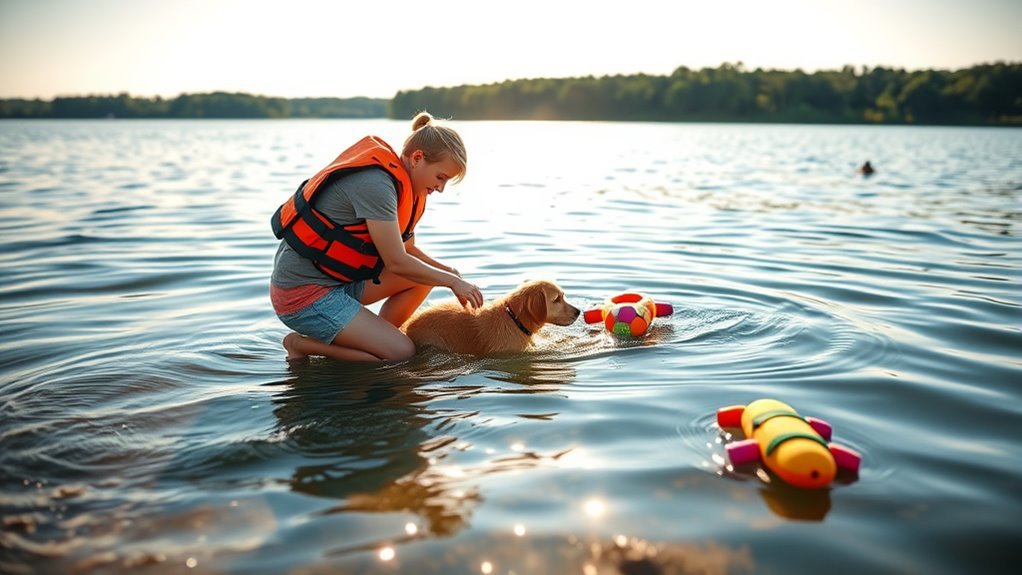
To teach your dog to swim safely in 2026, start by gradually introducing them to water. This helps ease any anxiety and builds their comfort around swimming.
Using high-quality flotation gear, like the Dogcheer Shark Neoprene Life Jacket, adds extra buoyancy and warmth.
Choose calm, supervised environments such as lakes with gentle entries to keep things safe.
Keep swimming sessions short and positive, rewarding your dog throughout to encourage good behavior.
Remember these basics, and you’ll find more helpful tips and expert advice to make swimming a fun, safe experience for your furry friend.
Taking it slow and keeping things positive makes all the difference!
| Image | Name | Editor's Rating | Price |
|---|---|---|---|

|
|
||

|
|
||

|
|
Water Dog
Training a hunting dog to perform well on land and in water can be challenging. The Water Dog training DVD simplifies this process with proven techniques derived from Richard A. Wolters’ classic methods. In just 10-15 minutes a day, owners can teach essential commands and water skills that improve their dog’s performance quickly.
The DVD guides users through clear, step-by-step instructions, making it accessible for beginners and experienced trainers alike. Its practical approach ensures consistent progress without overwhelming the owner or dog. This method promotes reliable, well-trained hunting dogs while maintaining safety throughout training sessions.
Maintaining daily practice with this resource helps develop a dog’s upland and waterfowl hunting abilities effectively. While the focus is on hunting dogs, the training principles can enhance obedience and water skills in similar breeds. The DVD format is straightforward but might be less convenient than newer online options.
Best for: Hunters and dog owners seeking an efficient, proven training method to develop skilled upland and waterfowl hunting dogs with minimal daily time commitment.
What We Like:
- Clear, easy-to-follow step-by-step training instructions
- Requires only 10-15 minutes of daily practice for effective results
- Based on classic, time-tested training methods
- Designed by professional trainers with hunting expertise
- Endorsed by reputable hunting publications for safety and reliability
Specification:
| Feature | Description |
|---|---|
| Manufacturer | Charles Jurney & Joseph Middleton |
| Format | DVD |
| Training Time | 10-15 minutes daily |
| Focus Area | Upland and waterfowl hunting dogs |
| Language | English |
Dogcheer Shark Neoprene Dog Life Jacket Vest
- SUPERIOR BUOYANCY & STABILITY – Crafted from durable ripstop Oxford cloth with high-density built-in...
- PREMIUM NEOPRENE WARMTH – Unlike standard gear, this dog life vest features strategically placed neoprene...
- EMERGENCY RESCUE HANDLE – Equipped with a heavy-duty handle positioned directly over the center of gravity...
- CUTE SHARK FIN DESIGN – Transform your pup into the star of the show! Our signature fin makes this dog...
- SPOT YOUR DOG INSTANTLY – Built for adventure, this life jacket for dogs features ultra-bright colors and...
Ensure your dog’s safety and comfort in the water with the Dogcheer Shark Neoprene Dog Life Jacket Vest. This vest offers reliable buoyancy and warmth, helping dogs swim confidently while protecting them from cold water and fatigue. Its design supports natural movement, so your pet stays comfortable and secure.
The vest’s durable ripstop Oxford cloth combined with high-density flotation layers provides effective stability without limiting motion. Neoprene belly panels add warmth, ideal for chilly swims or dogs with lower stamina. Adjustable straps ensure a snug, customized fit for various body shapes.
Visibility is enhanced with bright colors and reflective strips, increasing safety during water activities. The heavy-duty rescue handle allows quick and safe lifting or guiding of your dog in emergencies. The vest is easy to clean, maintaining its performance swim after swim.
Best for: Dog owners seeking a safe, warm, and highly visible life jacket for dogs learning to swim or needing extra support in the water.
What We Like:
- Stable buoyancy with flexible design for natural movement
- Neoprene panels provide warmth in cold water
- High visibility with bright colors and reflective accents
- Strong rescue handle for quick emergency assistance
Specification:
| Feature | Details |
|---|---|
| Manufacturer | Dogcheer |
| Material | Ripstop Oxford cloth, Neoprene |
| Weight | Not specified |
| Color Options | Bright colors with reflective strips |
| Sizes | Adjustable for various dog sizes |
Outward Hound Granby Splash Orange Dog Life Jacket, Medium
- Dog Life Jacket: High-performance dog life vest provides maximum flotation for dogs of all swimming skill...
- Secure, Adjustable Fit: See our size chart and fitting video for guidance; full belly band and quick-release...
- High Visibility: Bright color with reflective trim help you spot your dog in low-light conditions
- Smart, Safe Design: Front float supports head and neck; dual rescue grab handles for lifting and assisting...
- Durable & Lightweight: Ripstop material with thick foam padding ensures buoyancy, strength, and comfort in and...

The Outward Hound Granby Splash Orange Dog Life Jacket, Medium, is designed to help dogs feel safe and confident in the water. Its secure, adjustable fit keeps your dog comfortable while preventing slipping or restriction. The jacket’s bright orange color with reflective trim enhances visibility, making it easier to spot your pet during low-light or busy water conditions.
This life jacket provides essential support with a front float that lifts your dog’s head and neck. This feature is especially helpful for dogs new to swimming or those that tire easily. Dual rescue handles are built-in, allowing you to quickly lift your dog out of the water if necessary, adding an extra layer of safety.
Made from durable ripstop material and thick foam padding, this jacket offers lasting buoyancy and comfort. It is simple to clean and maintain, ensuring it stays in good condition after outdoor use. While the medium size covers many breeds, it’s important to check the fit carefully to ensure proper support.
Best for: Dogs new to swimming or needing extra safety during water activities.
What We Like:
- Adjustable fit with quick-release straps for easy wear and removal
- High-visibility orange color with reflective trim for enhanced safety
- Dual handles for quick rescue and added security
Specification:
| Feature | Details |
|---|---|
| Manufacturer | Outward Hound |
| Size | Medium |
| Material | Ripstop fabric, foam padding |
| Color | Bright orange with reflective trim |
| Weight | Not specified |
Factors to Consider When Choosing a Way to Teach a Dog to Swim
Before you start teaching your dog to swim, think about their physical health and the safety gear you’ll need. You’ll also want to consider how much time you can commit to training.
Then, think about the type of water environment and how to keep your dog comfortable and warm. These factors will help you choose the best way to get your pup swimming safely.
Dog’s Physical Condition
Since your dog’s physical condition directly affects its swimming ability and safety, you need to consider factors like age, weight, and breed before starting lessons. If your dog has joint issues or limited muscle strength, you’ll want to introduce water gradually and possibly use supportive flotation aids.
Overweight dogs often struggle with buoyancy and tire quickly, so a tailored, gentle training approach is crucial. Breeds with short legs or dense bodies, such as Bulldogs or Dachshunds, usually need extra time and assistance to build swimming skills.
For senior dogs or those with health concerns, a vet check is essential to ensure they’re fit for water activities. By assessing your dog’s physical condition first, you can choose the safest and most effective swimming teaching method.
Safety Equipment Options
When teaching your dog to swim, choosing the right safety equipment can make all the difference in ensuring a secure and comfortable experience. A well-fitted life jacket provides essential buoyancy and support, reducing drowning risks during lessons.
Make sure the flotation device fits snugly but comfortably, avoiding chafing or slipping. It should feature adjustable straps to accommodate your dog’s size and breed.
Bright colors and reflective strips boost visibility in murky or low-light water, helping you spot your dog quickly. Plus, look for safety gear with integrated rescue handles to easily lift or assist your dog in emergencies or rough conditions.
Selecting proper equipment not only keeps your dog safe but also builds their confidence. This makes swim training smoother and more enjoyable for both of you.
Training Duration Commitment
A successful swim training routine depends heavily on your commitment to consistent, short sessions that last about 10-15 minutes each day. This approach helps your dog build confidence and enjoy the water without feeling overwhelmed.
Depending on your dog’s age, breed, and comfort level, training might take anywhere from a few days to several weeks. Remember, gradual exposure and patience are key—some dogs need extra time to acclimate.
Frequent, brief sessions work better than occasional long ones, reducing stress and creating positive water associations. Sticking to a regular schedule is especially important if your dog is hesitant or inexperienced.
Water Environment Choice
Choosing the right water environment plays a crucial role in teaching your dog to swim safely. Start by selecting freshwater lakes, ponds, or saltwater beaches with calm waters and no strong currents. Avoid areas with sharp objects or hazardous debris to prevent injuries.
Look for locations with gradual entry points, like sandy beaches or shallow ramps, so your dog can ease into the water comfortably. Make sure the water temperature is between 60-80°F (15-27°C) to keep your dog safe from hypothermia or overheating.
Finally, choose a spot where supervision and safety measures are in place, such as rescue equipment or trained personnel nearby. These factors help create a safe, comfortable setting for your dog’s swimming lessons.
Comfort and Warmth Needs
Selecting the right water environment sets the stage, but keeping your dog comfortable and warm during swimming lessons makes all the difference. You should provide a well-padded or neoprene-lined life jacket to retain body heat and boost comfort.
Gradually introducing your dog to water helps them acclimate and lowers stress from cold exposure. Watch closely for signs of discomfort or cold, like shivering or lifting paws, and act promptly if you notice them.
Opt for quick, effective training sessions to minimize your dog’s time in chilly water. This helps prevent hypothermia and keeps their experience positive.
Prioritizing these comfort and warmth needs ensures your dog stays safe and enjoys learning to swim.
Visibility and Rescue Tools
When teaching your dog to swim, ensuring they’re easily visible and quickly accessible can make all the difference in an emergency. Choose life jackets or gear in bright orange or neon yellow to boost your dog’s visibility in murky water or low light.
Reflective strips enhance this further, helping you spot your dog during dusk or dawn swims. Look for rescue tools with sturdy grips and quick-release features so you can handle your dog safely and efficiently if needed.
Handles placed over their center of gravity make lifting easier and speed up rescue times. Proper visibility and quick-access rescue gear not only protect your dog but also give you peace of mind, letting you focus on teaching swimming skills safely and confidently.
Trainer’s Experience Level
Although teaching a dog to swim might seem straightforward, your trainer’s experience level plays a crucial role in ensuring safe and effective lessons. An experienced trainer understands dog behavior and tailors lessons to your dog’s confidence and skill level.
They spot signs of stress or fatigue quickly, keeping training safe and effective. Skilled trainers use positive reinforcement to build your dog’s trust in water, making the learning process enjoyable.
On the other hand, less experienced trainers might miss crucial timing and consistency, which can slow your dog’s progress. Also, a knowledgeable trainer follows strict water safety protocols, significantly reducing risks.
Choosing a trainer with the right expertise ensures your dog learns to swim safely and confidently, making every session productive and stress-free.
Frequently Asked Questions
How Can I Tell if My Dog Is Afraid of Water?
You can tell if your dog’s afraid of water if they hesitate, avoid getting wet, tremble, or try to escape. They might whine or freeze near water.
Watch their body language closely to understand their comfort level. It really helps to pay attention to these little signals.
What Are the Best Swimming Exercises for Puppies?
You’ll want to start with gentle wading, like a Victorian dip in a garden pond. Use short, fun sessions, encourage paddling with toys, and always stay close for support.
This helps build your puppy’s confidence and keeps things safe. Keep it light and playful to make swimming a positive experience!
How Often Should I Practice Swimming With My Dog?
You should practice swimming with your dog two to three times a week, allowing rest days in between.
Keep sessions short and positive to build confidence and stamina safely without overwhelming your furry friend.
This way, your dog stays happy and healthy while enjoying the water!
Are There Specific Health Risks for Dogs Who Swim Regularly?
You might think swimming’s risk-free, but dogs can face ear infections, skin irritations, or even water intoxication if you’re not careful.
Keep their health in check by drying them thoroughly and monitoring water intake after swims. It’s a simple way to keep your furry friend safe and happy.
Can Swimming Help Dogs With Arthritis or Mobility Issues?
Yes, swimming can help dogs with arthritis or mobility issues by providing low-impact exercise that strengthens muscles and improves joint flexibility.
You’ll see reduced pain and better movement when you introduce swimming carefully and consistently. It’s a gentle way to keep them active without putting stress on their joints.
Just make sure to start slow and watch how your dog responds to make the most of it!
Conclusion
Teaching your dog to swim safely is just as important as fitting a life jacket snugly—both provide security and confidence. Using the right flotation gear, like the Dogcheer Shark or Outward Hound Granby Splash, can make a big difference.
It’s also important to consider your dog’s comfort and swimming ability. Start slow and let your pup get used to the water at their own pace. Patience and positive reinforcement really help make the learning process smooth and enjoyable.
With these tips, you’ll turn your dog into a confident water companion in no time. Remember, teaching your dog to swim safely means combining proper floatation gear with gentle encouragement. This approach ensures your pup stays safe and enjoys every splash. So grab a Dogcheer Shark or Outward Hound Granby Splash, be patient, and watch your dog become a happy swimmer by 2026!