How Long After Piercing Can You Swim Step by Step
You should wait at least 2 to 4 weeks before swimming after a new piercing to reduce infection risk. Proper piercing aftercare and cautious swimming practices are essential to ensure your piercing heals safely. Start by keeping the area clean with saline solution before and after any water exposure.
When you feel ready to swim, protect the piercing with a waterproof bandage and avoid touching the jewelry while in the water. Make sure there is no redness, swelling, or pain around the piercing site before getting in. Taking these steps helps your piercing heal safely and prevents complications.
Discover how to care for your piercing properly and recognize warning signs of infection. Proper hygiene and monitoring are key to enjoying swimming without risking your new piercing.
Understanding the Healing Process of Piercings
Although everyone’s body heals differently, you need to understand the typical healing process of piercings before deciding when to swim. When you get a new piercing, your body starts repairing the tissue immediately, forming a protective barrier around the jewelry.
Healing times vary, so understanding your piercing’s recovery is key before swimming.
This process usually takes several weeks to months, depending on the piercing location. For example, earlobe piercings often heal in 6-8 weeks, while cartilage piercings take longer, sometimes up to 12 months.
During this time, the skin is delicate and more prone to irritation. You’ll notice redness, swelling, or tenderness initially, which should gradually fade. Proper aftercare, like cleaning with saline solution and avoiding touching the piercing, supports healing.
Knowing this timeline helps you decide when your piercing is ready for activities like swimming without risking irritation or delayed recovery.
Risks of Swimming Too Soon After Piercing
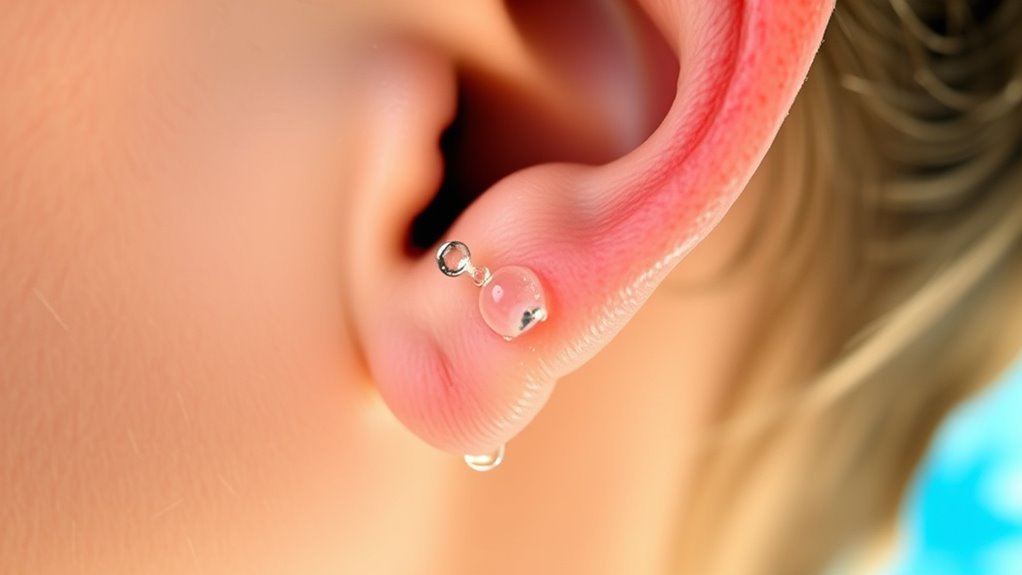
If you swim too soon after getting a piercing, you risk exposing the wound to bacteria and irritants that can cause infection. Pools, lakes, and oceans all contain microorganisms that thrive in water and can easily enter your fresh piercing.
This exposure often leads to redness, swelling, pain, or even pus, signaling an infection.
Besides bacteria, chemicals like chlorine in pools can irritate the delicate skin around your piercing, delaying healing or causing discomfort.
You might also experience allergic reactions or increased sensitivity.
Additionally, water can soften the skin, making your new piercing more vulnerable to tearing or injury.
Protecting your piercing by avoiding swimming too soon helps prevent these complications and supports a smoother, healthier healing process.
Recommended Waiting Period Before Swimming
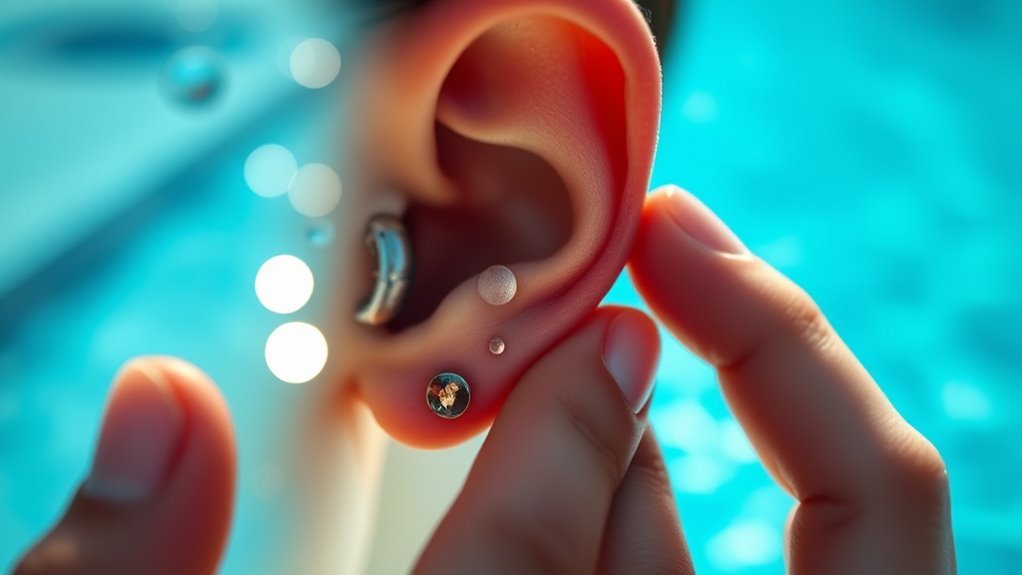
To protect your piercing from infection and irritation, you should wait before swimming. The exact waiting period depends on the piercing location and your body’s healing speed.
Generally, you want to follow these guidelines:
- Initial Healing Phase (2-4 weeks): Avoid swimming altogether to prevent bacteria exposure.
- Extended Healing Phase (6-8 weeks or more): If your piercing shows no signs of irritation or infection, you can cautiously resume swimming.
- Full Healing (3-6 months): Wait until your piercing fully heals before frequent or prolonged swimming, especially in pools, lakes, or oceans.
How to Care for Your Piercing When Swimming
When you decide to swim after your piercing has started healing, you need to take extra precautions to keep it safe from bacteria and irritation. First, always clean your piercing thoroughly with a saline solution before and after swimming to remove any contaminants.
Consider applying a waterproof bandage to protect the area from direct contact with pool chemicals or saltwater.
Avoid touching or twisting the jewelry while in the water to minimize irritation.
After swimming, rinse your piercing with fresh water to wash away chlorine or salt residues. Dry the area gently with a clean towel or let it air dry.
Maintaining these habits helps prevent infection and promotes faster healing, ensuring your piercing stays healthy even when you enjoy your swim.
Signs Your Piercing Is Ready for Swimming
Keeping your piercing clean and protected during swimming is important, but knowing when it’s safe to get in the water is just as important. You want to avoid infections and guarantee proper healing before exposing your piercing to water.
Here are three clear signs your piercing is ready for swimming:
- No Redness or Swelling: Your piercing should look and feel normal without irritation.
- Complete Healing: The skin around the piercing is fully closed, with no open wounds or scabs.
- No Discharge or Pain: There’s no unusual fluid or tenderness, indicating the area is healthy.
Once you notice these signs, you can confidently swim without risking damage or infection to your piercing.
Precautions to Take When Swimming With a New Piercing
Although you might be enthusiastic to swim with your new piercing, you should take specific precautions to protect it from bacteria and irritation. First, always cover your piercing with a waterproof bandage before swimming.
Avoid swimming in lakes, hot tubs, or any stagnant water, as they contain more bacteria. After swimming, rinse the area gently with clean water and pat it dry.
| Precaution | Why It Matters |
|---|---|
| Use waterproof bandage | Prevents water and bacteria entry |
| Avoid stagnant water | Reduces infection risk |
| Clean and dry afterward | Helps remove irritants and bacteria |
Taking these steps keeps your piercing safe and supports faster healing.
What to Do if You Experience Irritation or Infection After Swimming
If you notice redness, swelling, or pain around your piercing after swimming, you should act quickly to prevent infection from worsening.
Addressing irritation early helps avoid complications and speeds healing. Here’s what you should do:
- Clean the Area Gently: Use saline solution or a piercing aftercare spray to clean the piercing twice daily. Avoid harsh soaps or alcohol-based products, which can irritate the skin.
- Avoid Swimming and Touching: Give your piercing time to heal by staying out of pools, lakes, or oceans until symptoms improve. Don’t touch or twist the jewelry to prevent further irritation.
- Seek Medical Advice: If symptoms persist or worsen, consult a healthcare professional promptly. They might prescribe antibiotics or recommend other treatments to prevent serious infection.
Taking these steps ensures your piercing heals safely after swimming irritation.
Frequently Asked Questions
Can Certain Types of Piercings Heal Faster Than Others?
Yes, certain piercings heal faster than others. You’ll find earlobe piercings usually heal quicker, while cartilage or oral piercings take longer.
Healing depends on location, care, and your body’s unique response to the piercing.
Does Saltwater Help or Harm New Piercings?
Sure, saltwater isn’t your piercing’s spa day—it can actually irritate and slow healing.
You should avoid swimming in it until your piercing’s fully healed to keep infection and discomfort far away from your fresh jewel.
Are There Specific Swimming Pools Safer for New Piercings?
Yes, you’ll find pools with well-maintained, properly chlorinated water safer for new piercings. Avoid overcrowded or poorly sanitized pools since bacteria increase infection risk.
Always rinse your piercing with clean water after swimming to protect it.
How Does Chlorine Affect the Healing of Piercings?
Chlorine can irritate your new piercing, causing dryness, redness, or delayed healing. It disrupts your skin’s natural barrier, so you should avoid swimming in chlorinated water until your piercing fully heals to prevent infection and complications.
Can Wearing Waterproof Bandages Protect a New Piercing While Swimming?
Imagine Sarah, who wore waterproof bandages while swimming and avoided infections. Yes, you can protect a new piercing this way, but be cautious—bandages aren’t foolproof, so limit swim time and clean the piercing thoroughly afterward.
Conclusion
Think of your new piercing like a delicate seedling—it needs time and care before facing the elements. Just like a gardener waits weeks before exposing plants to harsh weather, you should wait at least 6-8 weeks before swimming. Rushing it can lead to infections or irritation, setting you back.
Be patient, follow the care steps, and soon your piercing will thrive. When it comes to how long after piercing can you swim, remember that giving your body enough healing time is crucial. Proper care ensures your piercing stays healthy and ready to shine without worry in the water.