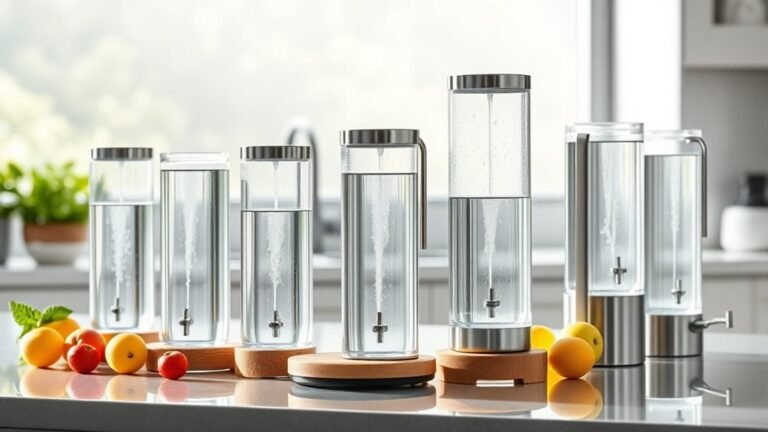
Best Sustainable Water Filter That Will Change Your Life!
Many people worry about the quality of their drinking water but want solutions that are both effective and environmentally friendly. Finding a water filter that reduces contaminants without creating waste can be challenging. The best sustainable water filter offers a way to enjoy clean water while minimizing environmental impact.
This type of filter is designed for those who care about health and the planet, providing reliable filtration using materials and methods that support sustainability. It often balances performance with long-lasting use and easy maintenance.
In this review, you will learn about key features, how this water filter works, and what makes it a practical choice for everyday use. The goal is to help you decide if this sustainable option fits your needs and lifestyle.
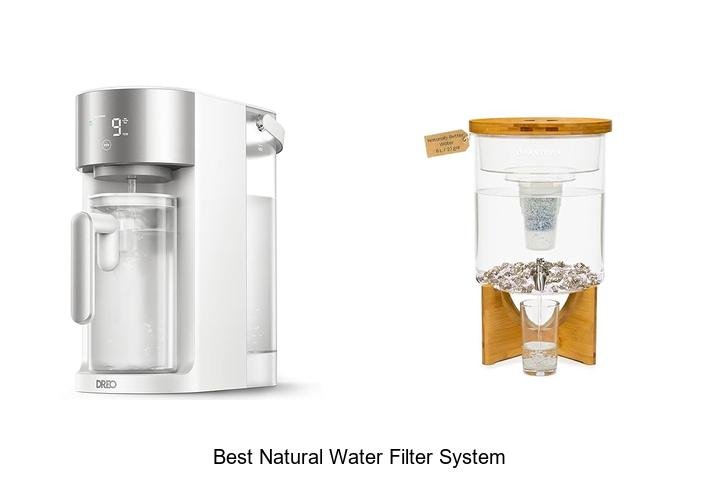
Discover Top Eco-Friendly Solutions for Cleaner, Greener Water Choices
| Image | Product | Price |
|---|
Discover the Ultimate Guide to Choosing the Best Sustainable Water Filter for Clean, Eco-Friendly Hydration
Filter longevity and maintenance
When choosing a water filter, understanding how long the filter lasts and how to maintain it is key to getting consistent clean water without hassle. The lifespan of a filter varies depending on the type and the amount of water it processes, so checking the manufacturer’s guidelines can give a good estimate of when replacement is due. Frequent replacement prevents buildup of contaminants and helps maintain water quality.
Frequent replacement prevents buildup of contaminants and helps maintain water quality. Cleaning should be straightforward; filters that allow easy rinsing or have reusable components save time and reduce waste. Finding replacement filters that are both affordable and readily available locally or online also adds convenience and keeps ongoing costs manageable.
Keeping these factors in mind helps maintain the filter’s performance and extends its usefulness over time.
Filtration technology and effectiveness
Choosing a water filter that promotes sustainability involves paying attention to how effectively it removes impurities such as chlorine, heavy metals, bacteria, and pesticides from the water. A reliable system often employs advanced filtration methods like activated carbon or reverse osmosis, which help improve taste and safety without wasting excessive resources. Certifications from recognized organizations provide confidence in the filter’s performance and safety claims, indicating that it has undergone rigorous testing to meet standards for contaminant reduction.
Certifications from recognized organizations provide confidence in the filter’s performance and safety claims, indicating that it has undergone rigorous testing to meet standards for contaminant reduction. Another aspect worth considering is how swiftly the filter processes water since a faster flow rate can be more convenient for everyday use, especially in busy households, while still maintaining thorough purification. Balancing these factors ensures the chosen product not only supports environmental responsibility by reducing plastic waste but also delivers clean, refreshing water suitable for daily hydration and cooking needs.
Cost and value
When selecting a water filter that prioritizes sustainability, paying attention to the initial purchase price is helpful for budgeting, though it rarely tells the full story. Some models may seem expensive upfront but prove economical over time due to durable materials and filter cartridges designed to last longer, which reduces frequent replacements and waste.
Considering the long-term cost of ownership means factoring in how often replacement parts need changing and whether the system is easy to maintain without specialized tools or services. Warranty and customer support options also play a significant role; a reliable warranty offers peace of mind by protecting your investment, and accessible customer service can assist with troubleshooting or parts replacement, saving time and additional expenses. The right balance between upfront investment, ongoing maintenance costs, and dependable support ensures that choosing a sustainable water filter becomes both an environmentally and financially sound decision.
Environmental impact
Choosing a water filter that aligns with sustainable values means paying close attention to the materials used in its construction, as these determine how eco-friendly the product truly is. Filters made from natural or recyclable materials often reduce waste and lessen environmental burden when disposed of, compared to those containing plastics that persist in landfills. Biodegradability plays a significant role here, especially for the components that require periodic replacement; opting for filters whose parts break down naturally can substantially lower ecological footprints.
Another consideration is the amount of energy consumed not only during everyday use but also throughout the manufacturing process, since energy-intensive production can offset some of the benefits gained from filtering water at home. Filters that require minimal electricity or none at all, combined with efficient manufacturing practices, strike a better balance by reducing greenhouse gas emissions over their lifecycle.
Taking a thoughtful approach to these aspects helps in finding a water filter that supports both individual health and the planet’s well-being without compromise.
Design and usability
Choosing the best sustainable water filter involves paying attention to its size and portability since many models are designed for different environments, from large kitchen setups to compact units suitable for travel. A filter that is easy to move or install can make a significant difference when daily access to clean water is needed both at home and on the go. In terms of user-friendliness, features like simple cartridge replacement, clear indicators for filter lifespan, and straightforward installation processes contribute greatly to a hassle-free experience.
In terms of user-friendliness, features like simple cartridge replacement, clear indicators for filter lifespan, and straightforward installation processes contribute greatly to a hassle-free experience. Some filters come with attachments compatible with standard faucets, while others might require minimal tools, making them suitable even for someone without prior experience. Capacity is another important aspect, as choosing a filter that matches your household’s regular water consumption or travel needs avoids frequent maintenance and ensures reliable access.
For families, models with larger reservoirs tend to be practical, whereas travelers benefit from compact designs that balance purification performance with ease of carrying. Considering these factors together helps in selecting a sustainable water filter that supports cleaner water without compromising convenience or daily routine.
Brand reputation and certifications
Choosing a sustainable water filter often means paying attention to how seriously the manufacturer takes its environmental responsibilities, which can be revealed through their ongoing efforts to reduce waste, use ecofriendly materials, and minimize energy consumption during production. Certifications from respected organizations such as NSF or EPA provide a reliable indication that the filter meets rigorous safety and performance standards, ensuring clean water while aligning with sustainable practices.
Combining these factors creates a clearer picture of which sustainable water filter genuinely balances environmental consciousness with effective filtration and dependable use.
FAQ’s
How Do Sustainable Water Filters Compare To Traditional Water Filters In Terms Of Environmental Impact?
Sustainable water filters generally have a lower environmental impact than traditional water filters because they use eco-friendly materials and produce less waste. Additionally, they often have longer lifespans and can be reused or recycled, reducing the need for frequent replacements.
How Often Do Sustainable Water Filters Need To Be Replaced Or Maintained?
Sustainable water filters typically need maintenance or replacement every 3 to 6 months, depending on usage and water quality. Regular cleaning and timely filter changes ensure optimal performance and longevity.
What Features Should I Look For In The Best Sustainable Water Filter?
Look for a sustainable water filter that uses eco-friendly, BPA-free materials and has a long-lasting, replaceable filter to reduce waste. Additionally, it should efficiently remove contaminants without chemicals and require minimal energy or maintenance.
Are There Any Top-Rated Brands Known For Producing Sustainable Water Filters?
Yes, top-rated brands like Berkey, Clearly Filtered, and LifeStraw are well-known for producing sustainable water filters that prioritize eco-friendly materials and long-lasting filtration. These brands focus on reducing plastic waste and promoting clean water access.
Which Materials Are Commonly Used In Eco-Friendly Water Filters?
Common materials used in eco-friendly water filters include activated carbon, ceramic, and natural fibers like cotton or coconut shells. These materials are sustainable, biodegradable, and effectively remove impurities without harmful chemicals.
Conclusion
Choosing the best sustainable water filter involves weighing both environmental impact and water purification effectiveness. These filters typically offer excellent reduction of contaminants while minimizing waste through reusable components or biodegradable materials.
However, some models may require more frequent maintenance or have higher upfront costs compared to conventional options. This type of water filter is ideal for individuals committed to reducing plastic waste and seeking long-term durability without compromising on water quality. For those concerned about installation ease or filter replacement availability, checking product specifications and customer feedback can provide additional reassurance.
Overall, the best sustainable water filter balances eco-friendliness with reliable performance, making it a practical choice for eco-conscious consumers aiming to improve their water consumption habits responsibly.