Best Tap Water Filter for Microplastics That Actually Works!
Many people are becoming more aware of microplastics in their tap water and the potential health concerns they raise. Finding a reliable solution to reduce or remove these tiny particles can feel overwhelming.
This type of water filter is designed specifically for individuals who want cleaner, safer drinking water at home. It targets microplastics along with other common contaminants, helping to improve water quality without complicated setups or high costs.
In this review, you will learn about key features to look for, how these filters work, and which models offer the most effective microplastic reduction. The goal is to help you find an option that fits your needs and gives peace of mind about the water you consume every day.
Protect Your Health with the Ultimate Solution to Clear, Pure Drinking Water
| Image | Product | Price |
|---|---|---|
Pick 1 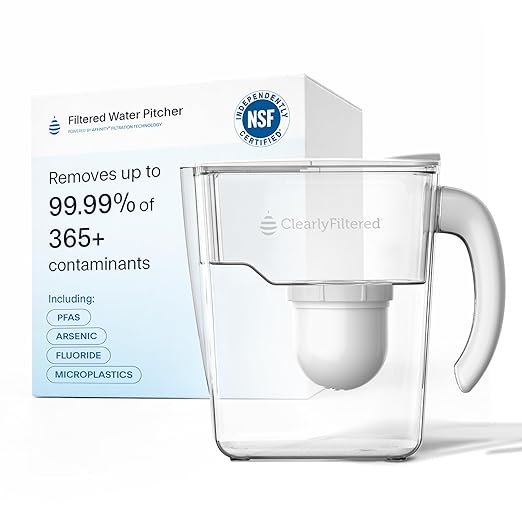 | Clearly Filtered Filtered Water Pitcher – 80 Fl Oz, NSF | Check Price On Amazon |
8. Clearly Filtered Filtered Water Pitcher – 80 Fl Oz, NSF
Accessing pure, safe water at home is a priority for many households. The Clearly Filtered Filtered Water Pitcher provides a reliable solution by targeting a wide range of contaminants that are often missed by standard filters. Its advanced filtration technology ensures that microplastics and other harmful substances are effectively removed, offering peace of mind with every sip.
Its advanced filtration technology ensures that microplastics and other harmful substances are effectively removed, offering peace of mind with every sip.
Designed with family needs in mind, this large-capacity water pitcher combines convenience and high-performance filtration. Its thoughtful construction and independently verified results make it a standout choice for anyone seeking cleaner tap water without compromising beneficial minerals.
The Clearly Filtered Filtered Water Pitcher supports the removal of over 365 contaminants including fluoride, lead, PFAS, arsenic, chlorine, and microplastics. It achieves up to
Unlike many filters, it retains essential minerals, balancing purification with health benefits.
With an 80 fl oz capacity, this pitcher supplies filtered water for multiple servings before needing a refill. It is tailored to fit standard refrigerator shelves and includes spill-resistant features alongside an ergonomic handle to improve pouring comfort.
The easy-fill lid streamlines the refilling process, saving time in daily use.
Constructed from medical-grade, BPA-free Tritan plastic, the pitcher is designed for durability and safety without leaching chemicals. Each filter supports up to 100 gallons or roughly four months of typical usage.
Filter replacements are straightforward and available for routine purchase to maintain filtration effectiveness.
Certified by NSF to stringent standards (NSF/ANSI 42 & 372) and independently tested by EPA-accredited labs, transparency in contaminant removal rates is provided. This pitcher suits health-conscious individuals, families concerned about tap water quality, and anyone wanting reliable microplastics filtration.
Pros
- Removes 365+ contaminants including microplastics, fluoride, and lead
- Large 80 fl oz capacity designed for family use
- Made from durable, BPA-free medical-grade Tritan plastic
Cons
- Filter life of four months may be shorter for very high usage households
Offering robust contaminant removal combined with convenient design, the Clearly Filtered Filtered Water Pitcher stands as a dependable choice for safe drinking water. Its NSF certification and third-party lab testing provide transparency and confidence in every fill. Ideal for those focused on reducing microplastics and heavy metals, this pitcher balances thorough filtration with ease of use.
Ideal for those focused on reducing microplastics and heavy metals, this pitcher balances thorough filtration with ease of use.
| Specification | Details |
|---|---|
| Capacity | 80 Fl Oz (2.4 L) |
| Filter Life | Up to 100 gallons / 4 months |
| Filtration Technology | Proprietary Affinity Filtration with ionic binding |
| Contaminants Removed | 365+ including fluoride, lead, PFAS, microplastics |
| Material | BPA-free, medical-grade Tritan plastic |
| Certification | NSF/ANSI 42 & 372, third-party lab tested |
Say Goodbye to Microplastics: How to Choose the Best Tap Water Filter for Cleaner, Safer Water
Filter capacity and lifespan
When choosing a water filter for daily use, understanding how much water the filter can handle before needing a replacement is invaluable. Many filters can process several hundred to a few thousand liters, depending on their design and the contaminants they target. The replacement frequency often varies between a few months to a year, which directly impacts ongoing costs.
Some models include convenient indicators, such as color changes or digital notifications, to signal when it’s time to swap out the filter, helping maintain water quality without guesswork. Being aware of these aspects can save both time and money while guaranteeing clean water consistently.
Filtration technology
Choosing a water filter that effectively removes tiny plastic particles involves understanding how various filter materials and designs work together. Commonly found are filters that combine activated carbon and fine mesh membranes, which help capture those small contaminants along with other impurities. The pore size of the filter plays a key role, as smaller pores can trap microscopic plastic fragments, often requiring multiple filtration stages to guarantee thorough purification.
The pore size of the filter plays a key role, as smaller pores can trap microscopic plastic fragments, often requiring multiple filtration stages to guarantee thorough purification. Performance certifications from recognized organizations and results from independent lab tests provide reliable insight into a filter’s ability to reduce microplastics and other harmful substances. These factors, combined with user-friendly installation and maintenance, shape the overall effectiveness and usability in everyday household settings.
When selecting a model, paying close attention to these details can make a significant difference in water safety and taste.
Water quality and flow rate
Selecting the right water filter involves paying close attention to how it influences the overall quality and flow of your water supply. A reliable filter should enhance water purity without sacrificing water pressure or flow rate, keeping your daily routine smooth whether you’re filling a glass or cooking. The best choices not only target microplastics but also reduce common impurities like chlorine, heavy metals, and sediments, which can improve both the taste and odor of the water noticeably.
Filters that trap unwanted particles while preserving a steady flow make for a more pleasant experience at the tap, especially in homes with lower water pressure. By balancing thorough contaminant removal with consistent output, these filters contribute to fresher-tasting water and reduce any unpleasant smells, ensuring your filtered water is enjoyable to drink and use in the kitchen.
Installation and maintenance
When choosing a water filter for household use, ease of installation plays a significant role, especially for those without plumbing experience. Many models are designed to fit standard faucets without requiring special tools or professional help, which can save both time and money.
Compatibility varies, so verifying that the filter connects smoothly with your existing faucet type helps avoid frustration during setup. Maintenance usually involves replacing cartridges at regular intervals and occasionally rinsing components to keep performance consistent. Filters that provide clear instructions and straightforward procedures can make the upkeep less of a chore.
Access to customer support is another factor to weigh in; a responsive help team can assist with troubleshooting and guidance, making the user experience much smoother. Additionally, having replacement parts readily available ensures that the filter remains functional without extended downtime, allowing you to continue enjoying clean water without interruption. Choosing a product that balances these practical considerations will enhance your satisfaction over time.
Choosing a product that balances these practical considerations will enhance your satisfaction over time.
Size and design
When choosing the best tap water filter for microplastics, paying attention to size and design can make a big difference in how well it fits your lifestyle and space. Many filters come in compact sizes that require minimal counter or under-sink space, making them ideal for kitchens with limited room.
Some models are designed to be portable, allowing you to easily move them between locations or even take them on trips, which can be handy for maintaining clean water wherever you go. Beyond size, the aesthetic design and build materials also matter since these filters often become a part of your daily environment. Opting for a filter with a sleek appearance and durable construction not only complements your kitchen décor but also promises longevity, resisting wear from regular use and exposure to water.
Balancing functionality with an attractive and practical design ensures that the filter fits comfortably in your home without adding clutter or requiring complicated installation processes.
Price and warranty
When choosing a tap water filter that effectively removes microplastics, weighing the initial cost against the long-term value can help maximize satisfaction with the purchase. Some models may require a higher upfront investment but offer durable components and longer-lasting filter cartridges, reducing replacement frequency and maintenance expenses over time. Customer support and warranty coverage often reflect the manufacturer’s confidence in their product’s durability, with more comprehensive service policies providing added peace of mind during ownership.
Customer support and warranty coverage often reflect the manufacturer’s confidence in their product’s durability, with more comprehensive service policies providing added peace of mind during ownership. Those seeking an affordable solution may find budget-friendly options that adequately handle microplastic filtration, though premium models typically incorporate advanced filtration technologies and improved build quality that justify their price point. Understanding these trade-offs allows for selecting a filter that aligns with personal needs and how much effort or investment one is comfortable committing to consistent water purification.
FAQ’s
How Often Should A Tap Water Filter Be Replaced To Maintain Effective Microplastic Filtration?
A tap water filter should typically be replaced every 3 to 6 months to maintain effective microplastic filtration. However, replacement frequency may vary based on usage and manufacturer recommendations.
What Are The Most Effective Types Of Tap Water Filters For Removing Microplastics?
The most effective tap water filters for removing microplastics are activated carbon filters combined with reverse osmosis systems, as they can trap tiny plastic particles. Additionally, ultrafiltration membranes are highly efficient at filtering out microplastics due to their fine pore size.
What Features Should I Look For When Choosing A Tap Water Filter For Microplastic Removal?
When choosing a tap water filter for microplastic removal, look for filters with certified multi-stage filtration systems, including activated carbon and fine mesh or membrane filters capable of trapping particles as small as 1 micron. Additionally, ensure the filter is tested and certified by reputable organizations for microplastic reduction.
Are There Any Certified Water Filters Specifically Designed To Reduce Microplastics In Drinking Water?
Yes, there are certified water filters specifically designed to reduce microplastics in drinking water, such as those rated by NSF International for particle reduction. These filters typically use advanced filtration technologies like activated carbon, reverse osmosis, or ultrafiltration to effectively remove microplastics.
How Do Different Water Filtration Methods Compare In Eliminating Microplastics From Tap Water?
Different water filtration methods vary in effectiveness at removing microplastics; for example, reverse osmosis and nanofiltration can eliminate most microplastics due to their fine membrane pores, while standard activated carbon filters are less effective. Overall, advanced filtration technologies tend to provide better microplastic removal compared to conventional filters.
Conclusion
Choosing the best tap water filter for microplastics can greatly improve the quality of your drinking water by effectively removing tiny plastic contaminants that traditional filters often miss. These filters typically offer additional benefits such as reducing chlorine, heavy metals, and other impurities, making your water safer and more pleasant to consume. However, some models may require regular maintenance or have higher upfront costs, factors worth weighing against the health advantages.
However, some models may require regular maintenance or have higher upfront costs, factors worth weighing against the health advantages. This type of filter is particularly suited for households concerned about environmental pollutants and those seeking cleaner water without relying on bottled alternatives. Considering durability, filtration efficiency, and ease of use will help narrow down the best option for your needs.
Ultimately, selecting a reliable tap water filter for microplastics is a practical step toward healthier hydration.