Best Under Counter Reverse Osmosis Water Filter Revealed!
Many people want clean, great-tasting water straight from their kitchen tap but worry about contaminants and impurities. A reliable filtration system can provide peace of mind and improve water quality without taking up too much space.
This type of system is ideal for homeowners who want effective purification without cluttering their countertop. In this review, you will learn about key features, installation ease, maintenance needs, and overall performance of these filters.
Whether you are seeking safer drinking water or better cooking results, this guide will help you find a solution that suits your needs.
Discover Top Solutions for Crystal-Clear Water Right Beneath Your Sink
| Image | Product | Price |
|---|
Top Picks and Expert Tips for Choosing the Best Under Counter Reverse Osmosis Water Filter
Certifications and warranties
When selecting an under counter reverse osmosis water filter, paying attention to certifications can provide confidence in product safety and performance. Systems that carry NSF/ANSI certifications have undergone rigorous testing to validate their ability to reduce contaminants effectively, which is a reassuring sign of quality.
Equally important is the accessibility of customer support and service options, as responsive assistance can make a significant difference if installation challenges arise or replacements become necessary over time. Considering these aspects can help ensure that the investment in a water filtration system is protected and that support remains available whenever needed.
Filter lifespan and maintenance
Filter lifespan and maintenance play a big role in the overall experience of using an under counter reverse osmosis water filter. Generally, filters need replacement at intervals ranging from six months to a year depending on water quality and usage.
Maintaining the system usually involves swapping out pre-filters and post-filters more frequently, while the main membrane lasts longer but still requires attention within a couple of years. Replacement filters come at varying prices, so it helps to consider costs ahead of time to avoid surprises down the road. Many systems are designed with user-friendly maintenance in mind, featuring clear instructions and easily accessible components, which simplifies the process for those new to water filtration.
Staying attentive to these factors helps keep water tasting fresh while maintaining peak filter performance without much hassle.
Installation requirements and space
When selecting an under counter reverse osmosis water filter, understanding the installation requirements and space is key to a smooth setup. These systems typically require a certain amount of under counter space, often ranging from about 12 to 18 inches in height and width, so measuring your cabinet area beforehand helps avoid surprises. The ease of installation varies between models, but many come with straightforward instructions and need basic tools like a wrench and screwdriver, making it manageable even for those with limited plumbing experience.
Compatibility with existing plumbing is another aspect to keep in mind; most filters connect directly to the cold water line and drain pipes, so checking that your plumbing matches these standard connection points will save time and hassle. Paying attention to these practical considerations can make the process of adding clean, purified water a relatively hassle-free improvement to your kitchen setup.
Water quality and filtration needs
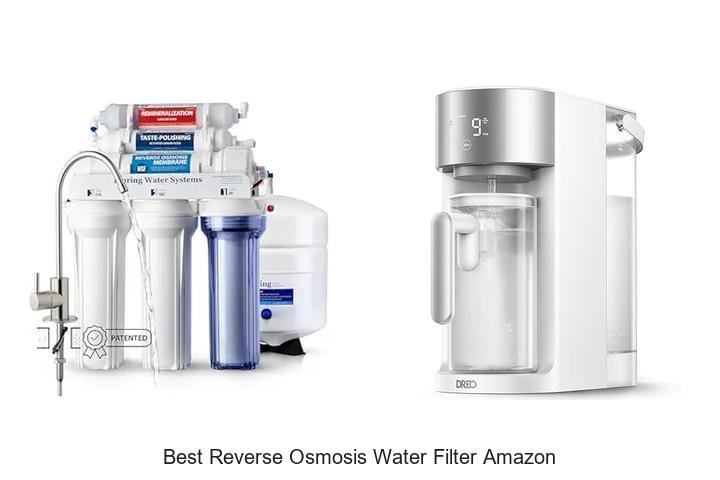
Understanding the source of your water and the types of impurities it contains plays a significant role when selecting an under counter reverse osmosis water filter. Common contaminants might include chlorine, sediments, heavy metals, and microorganisms, all of which affect taste and safety. Various filtration stages work together to address these concerns; for instance, a sediment filter captures larger particles, a carbon filter reduces chlorine and odors, while the reverse osmosis membrane removes dissolved solids and finer impurities.
Keeping track of Total Dissolved Solids (TDS) is helpful since it measures the concentration of minerals and contaminants in the water, directly influencing purity and flavor. A lower TDS level generally indicates cleaner water but some minerals beneficial for taste and health may remain.
Choosing a system that balances multiple stages effectively helps in tailoring your filtration to specific water conditions, ultimately providing fresh, clean water straight from your tap with convenience and reliability.
System capacity and flow rate
The daily water production volume plays a significant role when selecting a water filtration system for your home, as it determines how much purified water you can expect each day. Considering the flow rate relative to household size helps maintain a steady supply without interruptions, especially in families with multiple members or higher consumption needs. Storage tank capacity also impacts convenience, as some systems come with tanks that hold ample filtered water ready for use, reducing wait times when demand peaks.
Storage tank capacity also impacts convenience, as some systems come with tanks that hold ample filtered water ready for use, reducing wait times when demand peaks. Systems without tanks might rely on faster flow rates to compensate, but having a storage tank often means you have water available instantly for drinking, cooking, or other daily uses. Balancing these factors according to your typical water usage patterns ensures you get a system that performs well and suits your lifestyle seamlessly.
Additional features and considerations
When choosing an under counter reverse osmosis water filter, paying attention to features like remineralization and UV sterilization can elevate the quality of the water you get. Systems that include remineralization not only remove impurities but also restore essential minerals, resulting in water that tastes fresher and supports better health.
The operational noise of these units varies, with some models running almost silently while others may produce a gentle hum during filtration; selecting a quieter system can be a welcome benefit if your kitchen is close to living areas. Design harmony under the sink is another factor; a compact and streamlined filter system avoids clutter, making installation straightforward and preserving the neat appearance of your kitchen space.
Balancing these aspects—water quality enhancements, noise levels, and fitting seamlessly under your counter—ensures a satisfying and practical filtration setup that feels like a natural part of your home environment.
FAQ’s
What Are The Top Features To Look For In The Best Under Counter Reverse Osmosis Water Filter?
The best under counter reverse osmosis water filter should have multiple filtration stages, including carbon and sediment filters, to ensure thorough purification and removal of contaminants. Additionally, look for features like high water recovery rate, easy filter replacement, and a compact design for convenient installation.
Which Brands Offer The Most Reliable Under Counter Reverse Osmosis Water Filters?
Brands like APEC, Home Master, and iSpring are known for offering some of the most reliable under counter reverse osmosis water filters. These brands are praised for their durability, efficient filtration, and excellent customer support.
How Does An Under Counter Reverse Osmosis Water Filter Improve Water Quality?
An under counter reverse osmosis water filter improves water quality by removing contaminants such as chlorine, heavy metals, and dissolved solids through a multi-stage filtration process. This results in cleaner, safer, and better-tasting water directly from the tap.
What Is The Average Cost And Maintenance Requirement For Under Counter Reverse Osmosis Water Filters?
The average cost of under counter reverse osmosis water filters ranges from $150 to $400, depending on brand and features. Maintenance typically involves replacing filters every 6 to 12 months and the membrane every 2 to 3 years to ensure optimal performance.
How Easy Is It To Install An Under Counter Reverse Osmosis Water Filter Without Professional Help?
Installing an under-counter reverse osmosis water filter can be moderately easy for someone with basic DIY skills, as it typically involves connecting tubing and mounting the unit under the sink. However, it may require some plumbing and drilling, so if you’re unfamiliar with these tasks, professional help might be advisable.
Conclusion
Choosing the best under counter reverse osmosis water filter involves balancing purification quality, installation space, and maintenance needs. These systems effectively remove contaminants, providing crisp, clean drinking water right from your tap, which benefits health-conscious individuals and families alike.
While some models may require periodic filter changes and might take up cabinet space, many units are designed for user-friendly installation and upkeep. For those seeking reliable water filtration without compromising kitchen aesthetics, this type of filter stands out as a practical solution. Evaluating your water usage and budget will help determine if this investment suits your household.
Overall, the best under counter reverse osmosis water filter offers a dependable way to improve water quality, making it a worthwhile consideration for anyone prioritizing pure, great-tasting water.