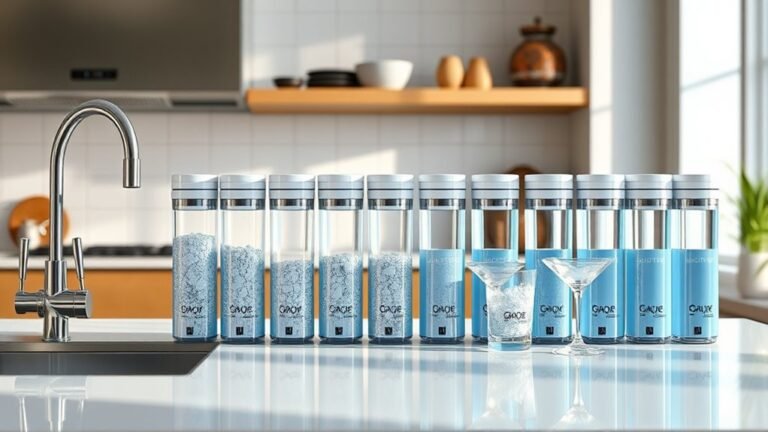
Best Water Filter DIY Hacks You Can’t Miss Today!
If you want clean, safe water at home without buying expensive filtration systems, building your own can be a smart alternative. Many people seek practical and affordable solutions to improve water quality, and the best water filter DIY options offer just that. These do-it-yourself filters are designed for those looking to reduce contaminants and enjoy fresher water using simple materials.
A reliable DIY water filter can help remove impurities while giving you control over the components used. Whether you want a quick setup or a more durable design, understanding which materials work best and how to assemble them is key.
This review will explore some of the most effective DIY water filters, discussing what makes them useful and easy to create. You’ll learn about their main features, benefits, and potential drawbacks to help you decide which option fits your needs.
Discover Top Solutions to Transform Your Tap Water at Home
| Image | Product | Price |
|---|---|---|
Pick 1  | iSpring RCC7AK-BN NSF Certified, 75 GPD, Alkaline 6-Stage Reverse Osmosis | Check Price On Amazon |
Pick 2 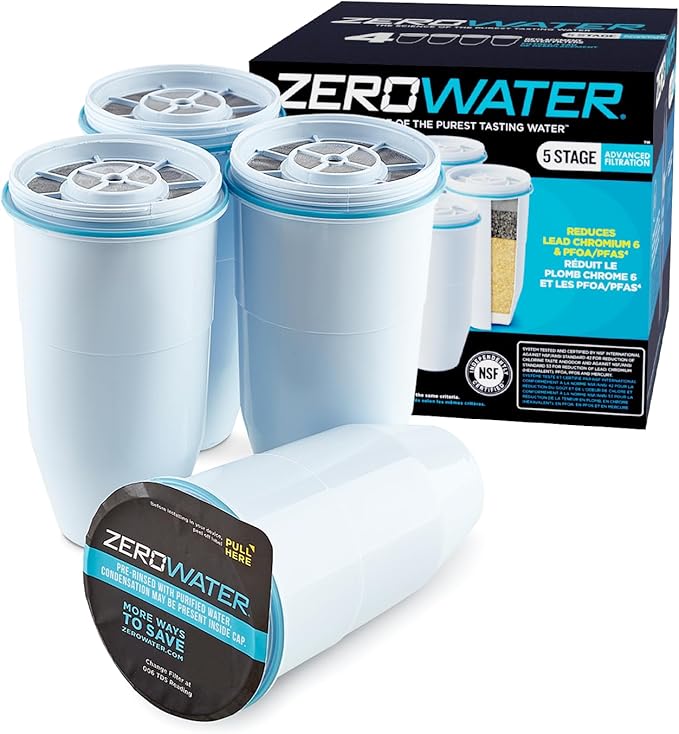 | ZeroWater Official Replacement Filter – 5-Stage 0 TDS Water Filter | Check Price On Amazon |
2. iSpring RCC7AK-BN NSF Certified, 75 GPD, Alkaline 6-Stage Reverse Osmosis
Experience cleaner, healthier water at home with the iSpring RCC7AK-BN, a reliable reverse osmosis system designed for easy installation. This advanced filtration unit not only purifies water but also restores natural alkalinity and essential minerals for improved taste and benefits.
The system’s user-friendly design and robust performance make it an excellent choice for anyone seeking superior water quality without professional help. Enjoy peace of mind knowing you have NSF-certified filtration working quietly beneath your sink.
Featuring a patented top-mounted fastener, the iSpring RCC7AK-BN allows for simple countertop installation entirely from above, avoiding the need to tighten nuts underneath the sink. A transparent first-stage filter housing provides clear visibility for monitoring filter condition and ensuring timely replacements. This convenience supports maintaining consistent water purity effortlessly.
The system includes six filtration stages, including a unique mineral boost stage that delivers water with a balanced pH and added essential minerals, resembling natural spring water. It effectively reduces over a thousand contaminants such as TDS, PFAS, chlorine, heavy metals, and more, achieving high removal rates verified by NSF/ANSI 58 certification.
Assembly and maintenance are straightforward, thanks to quick-connect fittings, a clear instruction manual, and step-by-step video guides offered by iSpring. The product suits homeowners wanting a dependable DIY water filtration solution that enhances both health and taste. Backed by lifetime technical support from an American-based team, it ensures help is available whenever needed.
Backed by lifetime technical support from an American-based team, it ensures help is available whenever needed.
Pros
- Easy top-mounted DIY installation from above the sink
- Mineral AK stage replenishes essential minerals and balances pH
- NSF/ANSI 58 certification guarantees high filtration standards
Cons
- Replacement filters can be moderately priced compared to basic models
Offering excellent filtration combined with a mineral restoration stage, the iSpring RCC7AK-BN stands out as a comprehensive water purification system ideal for residential use. Its clear housing, certifications, and support services add further reassurance and value, making it a solid investment in healthier drinking water.
| Specification | Details |
|---|---|
| Model | RCC7AK-BN |
| Filtration Stages | 6-stage reverse osmosis with mineral remineralization |
| Certification | NSF/ANSI 58 certified |
| Production Capacity | 75 Gallons Per Day (GPD) |
| Key Features | Top-mounted fastener, transparent filter housing, mineral boost |
| Support | Lifetime technical support (USA) |
| Replacement Filters | F4AK (6 months), F9K (1 year), F19K75 (2 years), F28K75 (3 years) |
4. ZeroWater Official Replacement Filter – 5-Stage 0 TDS Water Filter
Experience a remarkable upgrade in drinking water quality with the ZeroWater Official Replacement Filter. Designed for precision and efficiency, it delivers exceptionally pure water by removing nearly all dissolved solids.
Each filter incorporates advanced technology ensuring crisp, clean, and refreshing hydration straight from your dispenser. Perfect for those seeking reliable water purification at home.
The ZeroWater 5-Stage Replacement Filter features a unique five-stage ion exchange process that effectively eliminates total dissolved solids. This means common contaminants like metals, salts, and minerals are largely removed, enhancing water clarity and taste.
Its filtration performance goes beyond typical filters by targeting a wider range of impurities.
Built with BPA-free materials, this filter meets health and safety standards, confirmed by IAPMO certification. It specifically reduces harmful substances such as lead, chromium, mercury, and PFOA/PFOS compounds, providing peace of mind for your family’s consumption. Filter longevity is estimated at 15 gallons, but it may vary based on local water quality.
Filter longevity is estimated at 15 gallons, but it may vary based on local water quality. For optimal results, users are advised to replace the filter when the accompanying TDS meter reaches
Installation is straightforward and compatible only with ZeroWater pitcher systems, ensuring seamless use. This pack contains four replacement filters, offering extended maintenance intervals and cost-effectiveness. By using this filter, waste from single-use plastic bottles decreases dramatically, making it an environmentally conscious choice.
Pros
- Comprehensive five-stage filtration removes virtually all dissolved solids.
- IAPMO certified to reduce hazardous contaminants including lead and mercury.
- BPA-free construction promotes safe and eco-friendly use.
Cons
- Compatible only with ZeroWater systems, excluding newer Culligan ZeroWater models.
The ZeroWater Official Replacement Filter stands out by delivering exceptionally pure water with proven multi-stage filtration. Its ability to reduce a broad spectrum of contaminants makes it a smart and health-conscious choice. Compared to some basic filters, it offers enhanced performance and certified safety.
Compared to some basic filters, it offers enhanced performance and certified safety. Ideal for anyone prioritizing water purity and sustainability at home.
Specification Details Filtration Technology 5-Stage Ion Exchange Filter Lifespan Approximately 15 Gallons (varies with water quality) Certification IAPMO Certified (reduces PFOA/PFOS, lead, chromium, mercury) Material BPA-Free Plastic Pack Contents 4 Replacement Filters Compatibility ZeroWater Pitcher Systems only
Ultimate Guide to Building the Best DIY Water Filter for Clean, Safe Drinking Water
Design and construction tips
Building a water filter on your own can be surprisingly straightforward, especially when you pay attention to how easily the parts come together. Choosing components that fit well without requiring complicated tools makes assembly less time-consuming and more satisfying.
Durability plays a big role; selecting materials that withstand frequent handling and repeated cleaning means your water filter remains reliable over multiple uses without breaking down or losing effectiveness. Reusability adds value by reducing the need for constant replacement parts, so focusing on sturdy construction that can be maintained with simple cleaning rituals is a smart approach.
Balancing ease of assembly with durable components and thoughtful sizing leads to a DIY water filter that performs consistently while being practical for everyday use.
Types of diy water filters
When choosing a water filter for home use, understanding the different materials and layers involved can greatly enhance the quality of filtered water. Filters that utilize activated carbon are exceptional at absorbing impurities and improving taste by removing chlorine and organic contaminants.
Often paired with these are sediment and sand layers, which help trap larger particles such as dirt and rust, preventing them from clogging the finer filtration media. Combining these elements can create a balanced filtering system suited for various everyday needs, whether it’s for drinking, cooking, or even emergency preparedness.
When setting up such a system, take into account the water source’s specific qualities and maintenance requirements, since regularly cleaning or replacing components like ceramic cartridges and carbon blocks ensures sustained performance and safety over time.
Materials needed for diy filters
When gathering materials for a homemade water filter, selecting common filtration components that are both effective and safe is key. Items like activated charcoal, sand, and fine gravel are favorites because they each play a role in trapping impurities, improving water clarity, and reducing odor or taste issues. These materials tend to be low cost and widely available at garden centers, pet stores, or aquarium supply shops, making them accessible for anyone wanting to build a simple filtration system.
These materials tend to be low cost and widely available at garden centers, pet stores, or aquarium supply shops, making them accessible for anyone wanting to build a simple filtration system. From a safety standpoint, using natural and nontoxic substances is critical since the goal is to enhance water quality without introducing harmful chemicals. For example, activated charcoal is known for its adsorption properties and is safe when sourced specifically for filtration purposes, while properly washed sand and gravel add mechanical filtration without leaching any unwanted substances.
Choosing clean, food-grade or untreated materials avoids contamination risks, which adds peace of mind during use. Overall, these materials combine affordability, ease of access, and safety, making them ideal building blocks for an effective and trustworthy do-it-yourself water filter.
Understanding water contaminants
When setting out to create your own water filter, grasping the variety of impurities that can be present in your water source can make a significant difference. Sediments like sand and rust often cloud water, while chemical contaminants such as chlorine and pesticides may affect taste and safety.
Biological impurities, including bacteria and viruses, pose health risks that are less visible but even more concerning. Testing your water quality beforehand provides clarity about the specific contaminants you’ll need to target, which helps tailor the filtration method to your unique situation. Many DIY filters focus on layers of activated carbon to remove chemicals and improve flavor, while fine mesh or ceramic filters are effective at blocking particles and microorganisms.
Considering the impact of contaminants on health is a key motivator for creating a reliable filtration system; prolonged exposure to unsafe water can lead to digestive issues, skin problems, or more severe illnesses. Preparing a filter that addresses the common impurities in your water ensures not only better taste but also peace of mind knowing you’re improving water safety for your household.
Starting with simple testing kits and gradually improving your filtering materials based on the results allows for a practical and cost-effective approach to cleaner drinking water.
Filtration efficiency and capacity
When choosing the best water filter diy, paying attention to flow rate considerations can make a big difference in daily use, especially when multiple people rely on filtered water at once. Filters that slow down water flow might produce purer water but could also test your patience during busy mornings. Filter lifespan and maintenance often go hand in hand; it’s helpful to pick a design with clear instructions for cleaning or replacing parts so that the filter keeps working effectively without frequent hassle.
Filter lifespan and maintenance often go hand in hand; it’s helpful to pick a design with clear instructions for cleaning or replacing parts so that the filter keeps working effectively without frequent hassle. Knowing what specific contaminants you want to tackle is equally important because some homemade setups excel at removing chlorine and sediment, while others might be better for reducing heavy metals or bacteria. Understanding the nature of your water source will guide you in tailoring the filter’s materials and structure to best suit your needs.
Balancing these factors—how quickly the water flows, how long the filter lasts before needing attention, and what pollutants it targets—creates a practical and reliable water filtration system that can offer peace of mind right from your own home.
Budget and longterm costs
When deciding on a water filtration system, understanding the initial setup costs is fundamental. Setting up a DIY water filter often involves sourcing materials like activated charcoal, gravel, sand, and containers, which may appear affordable initially.
Replacement parts and consumables, such as filter media, require regular attention to maintain cleanliness and water purity, which may add to ongoing expenses. Commercial filters, while sometimes more expensive upfront, usually come with standardized, tested components and manufacturer support that can result in a more reliable filtration process without frequent tinkering.
Comparing DIY solutions to commercial filters reveals a trade-off between upfront investment and convenience: DIY allows customization and a learning experience but may involve hidden costs and more frequent maintenance, whereas commercial options typically offer a streamlined, dependable performance that justifies their price over time. Considering these factors from personal experience can help determine which setup aligns best with your budget and needs over the long term.
FAQ’s
Which Natural Materials Work Best For Filtering Water In Diy Projects?
Activated charcoal, sand, and gravel are among the best natural materials for filtering water in DIY projects, as they effectively remove impurities and sediment. Additionally, using layers of these materials can enhance filtration by trapping different sizes of particles.
How Effective Are Homemade Water Filters In Removing Contaminants?
Homemade water filters can effectively remove some larger particles and sediments but are generally less reliable at eliminating harmful bacteria, viruses, and chemical contaminants. For safe drinking water, professionally designed filters or proper treatment methods are recommended.
What Are The Step-By-Step Instructions For Building A Simple And Efficient Water Filter At Home?
To build a simple and efficient water filter at home, layer materials like gravel, sand, and activated charcoal inside a clean plastic bottle with the bottom cut off, starting with gravel at the bottom and charcoal in the middle. Pour water through the top, allowing it to pass through each layer, which will help remove impurities and improve water clarity.
What Are The Essential Materials Needed To Make The Best Diy Water Filter?
The essential materials for making the best DIY water filter include activated charcoal, fine sand, coarse sand, gravel, and a clean cloth or coffee filter. These layers work together to remove impurities, sediments, and odors from the water effectively.
How Can I Test The Quality Of Water Filtered By A Diy Water Filter?
To test the quality of water filtered by a DIY water filter, you can use a home water testing kit that measures common contaminants like bacteria, chlorine, pH, and heavy metals. Additionally, sending a water sample to a certified laboratory for comprehensive analysis ensures accurate results.
Conclusion
Creating the best water filter DIY offers a practical and cost-effective way to improve water quality using readily available materials. These homemade filters can effectively reduce sediments and some impurities, making them suitable for camping trips, emergency situations, or for those interested in basic filtration methods.
However, it’s important to recognize that DIY filters may not remove all harmful contaminants like heavy metals or bacteria as efficiently as commercial systems. This approach is best suited for individuals comfortable with hands-on projects and who require a simple filtration solution rather than advanced purification. Considering both the benefits and limitations helps in making an informed choice.
For those seeking an affordable and customizable option, the best water filter DIY can provide a satisfactory balance between functionality and convenience.