Best Water Filter For Health That Will Change Your Life
Clean and safe drinking water is something many people struggle to find, especially with increasing concerns about contaminants in tap water. Choosing the right water filter can make a significant difference in protecting your health.
This type of filter is designed for anyone wanting to improve the quality of their drinking water, whether at home or the office. In this review, we will explore key features, benefits, and potential drawbacks to help you decide if this water filter fits your needs.
You will learn how it works, what sets it apart, and practical points to consider before making a purchase.
Discover Top Solutions to Purify Your Drinking Water and Boost Wellness
| Image | Product | Price |
|---|
Discover the Ultimate Guide to Choosing the Best Water Filter for Your Health
Certification and standards
When choosing the best water filter for health, paying attention to certifications and standards can provide peace of mind about the product’s effectiveness. NSF/ANSI certifications serve as reliable indicators since they require rigorous testing and validation of filtration claims, guaranteeing that the filter performs as advertised.
These third-party endorsements are particularly valuable because they remove doubts about the quality and safety of the filtration process. Filters bearing these certifications have undergone independent assessment, which confirms their ability to remove specific contaminants or reduce certain substances in water. Opting for a water filter backed by such validation not only safeguards your health but also ensures you’re investing in a product that adheres to strict industry standards and delivers consistent performance over time.
Installation and maintenance
Choosing a water filter can feel overwhelming, but focusing on how easy it is to set up can simplify the process significantly. Many models come with straightforward installation guides and require only basic tools, allowing users to get clean water flowing quickly without professional help. When it comes to upkeep, filters that need frequent cartridge changes or complex cleaning routines might become burdensome over time; selecting one with longer filter life or simple replacement mechanisms helps keep maintenance manageable.
When it comes to upkeep, filters that need frequent cartridge changes or complex cleaning routines might become burdensome over time; selecting one with longer filter life or simple replacement mechanisms helps keep maintenance manageable. Additionally, considering the cost and availability of replacement parts is key to keeping your system running smoothly without unexpected expenses. Opting for widely used brands often means replacement filters are easy to find both online and in stores, which adds convenience and peace of mind as you enjoy better quality water every day.
Capacity and lifespan
Choosing the right water filter for health involves paying close attention to how often the filter needs changing and the volume of water it can handle before performance declines. Filters typically have a recommended replacement frequency based on their capacity to process a certain amount of water, which prevents contaminants from building up and ensures that the water remains safe and clean. A filter that has surpassed its effective use may start to allow impurities through, which sometimes manifests as altered taste or odor in the water.
A filter that has surpassed its effective use may start to allow impurities through, which sometimes manifests as altered taste or odor in the water. Observing such changes can be a clear indication that it’s time to swap out the filter. Keeping track of these elements helps maintain water quality and supports long-term health benefits, especially for those relying on filtered water daily for drinking, cooking, and other household uses.
Selecting a water filter that balances capacity with a manageable replacement schedule will make ongoing maintenance easier and guarantee the freshest, most reliable purification possible.
Understanding water contaminants
Choosing the perfect water filter involves understanding the common contaminants that affect health and how different types of filters address them. Water can carry a variety of pollutants ranging from chlorine and sediment to heavy metals like lead, as well as biological contaminants such as bacteria and viruses. Some filters are designed to remove only basic impurities like chlorine for taste and odor improvement, while others target more specific and hazardous substances including pesticides, pharmaceuticals, and even fluoride.
Filters utilizing activated carbon are often excellent at trapping organic compounds and improving flavor, whereas reverse osmosis systems excel at eliminating a wide range of dissolved solids and microscopic particles. Considering the particular contaminants present in your water supply will guide you in selecting a filtration system that meets your needs effectively.
For instance, if you’re concerned about heavy metals, a filter with contaminant specific technology capable of reducing those elements would be ideal. Additionally, evaluating filtration certifications and maintenance requirements can help maintain consistent water quality.
Having experienced various systems firsthand, I find that opting for a filter that aligns with both the water conditions and personal health goals ensures safer, cleaner water for everyday consumption.
Filter types and technologies
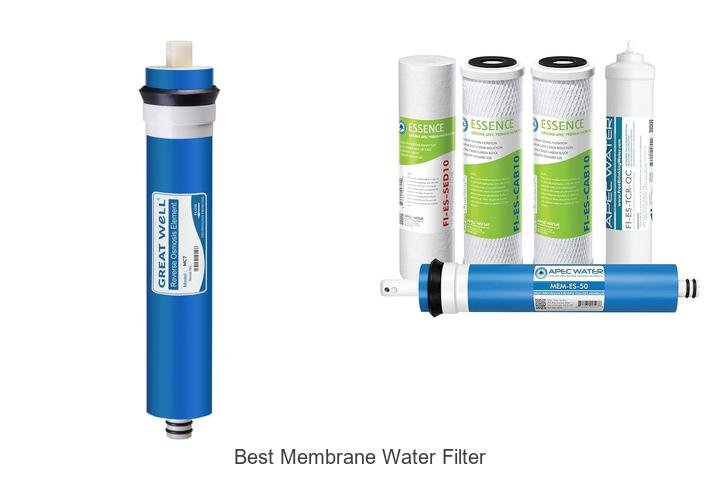
Choosing the right water filter for health can make a significant difference in the quality and safety of the water consumed daily. Many find activated carbon filters particularly effective because they excel at removing chlorine, odors, and organic compounds that can affect taste and safety without stripping beneficial minerals. Reverse osmosis systems offer a more thorough purification process by pushing water through a semipermeable membrane, which removes a wide range of contaminants including heavy metals and dissolved solids, making them a solid pick for households concerned about impurities from tap water or well sources.
Reverse osmosis systems offer a more thorough purification process by pushing water through a semipermeable membrane, which removes a wide range of contaminants including heavy metals and dissolved solids, making them a solid pick for households concerned about impurities from tap water or well sources. UV purification and ceramic filters add another layer of protection by targeting bacteria, viruses, and other microorganisms; UV systems use light to neutralize pathogens, while ceramic filters rely on their porous structure to physically block contaminants. When choosing between these filters, consider daily water usage, specific contaminants present in your water supply, and how hands-on you want the maintenance process to be.
Many find that combining different technologies can provide peace of mind and healthier water, especially in areas where water quality fluctuates. It helps to review local water reports and test your water to identify the best purification approach suited to your lifestyle and health preferences.
Additional features and considerations
Choosing the right water filter for health involves paying close attention to how effectively it improves the taste and odor of your tap water, as these factors often reflect the removal of contaminants. A filter that reduces chlorine or sulfur smells can make drinking water much more enjoyable and encourage better hydration habits. Size and design compatibility with your home setup also play a significant role since some filters fit under the sink while others attach directly to the faucet or operate as countertop units.
Selecting a model that integrates seamlessly with your kitchen’s space and plumbing reduces installation hassle and makes regular maintenance easier. Budget considerations extend beyond the initial purchase price to include how often filter cartridges require replacement and how expensive those parts are.
A cost-effective option keeps long-term expenses manageable without sacrificing filtration quality, which is especially important for households aiming to maintain consistent water purity. Balancing these factors helps ensure the water filter you choose supports both health goals and practical daily use efficiently.
FAQ’s
How Often Should You Replace The Filter In A Health-Focused Water Filtration System?
You should replace the filter in a health-focused water filtration system every 3 to 6 months, depending on usage and manufacturer recommendations. Regular replacement ensures optimal water quality and system performance.
Which Water Filter Brands Are Recommended By Health Experts?
Health experts often recommend water filter brands such as Brita, PUR, and Berkey for their proven effectiveness in removing contaminants. Additionally, brands like Aquasana and ZeroWater are praised for advanced filtration capabilities and reliable performance.
How Do Different Types Of Water Filters Impact The Quality Of Drinking Water?
Different types of water filters impact drinking water quality by targeting various contaminants; for example, activated carbon filters remove chlorine and organic compounds to improve taste and odor, while reverse osmosis systems eliminate a broader range of impurities like heavy metals and dissolved solids. Choosing the appropriate filter depends on the specific water quality issues and desired purification level.
What Are The Top Features To Look For In The Best Water Filter For Health?
The best water filter for health should effectively remove contaminants like bacteria, heavy metals, and chemicals while retaining essential minerals. Additionally, it should have a reliable certification, such as NSF/ANSI standards, to ensure safety and performance.
Can Using A Water Filter Improve Overall Health And Prevent Waterborne Diseases?
Yes, using a water filter can improve overall health by removing contaminants, bacteria, and harmful chemicals from drinking water. This helps prevent waterborne diseases and promotes safer hydration.
Conclusion
Choosing the best water filter for health often means balancing effective contaminant removal with ease of use and maintenance. Many filters eliminate harmful substances like chlorine, heavy metals, and bacteria, promoting cleaner and safer drinking water. However, some models require frequent cartridge replacements or higher upfront costs.
This type of water filter is ideal for individuals seeking to improve their overall wellbeing by ensuring their water is pure and free from common pollutants. For those concerned about water quality but cautious about ongoing expenses, selecting a filter with affordable maintenance is wise.
Ultimately, prioritizing reliable performance and health benefits without unnecessary complexity makes these filters a sound investment for a healthier lifestyle.