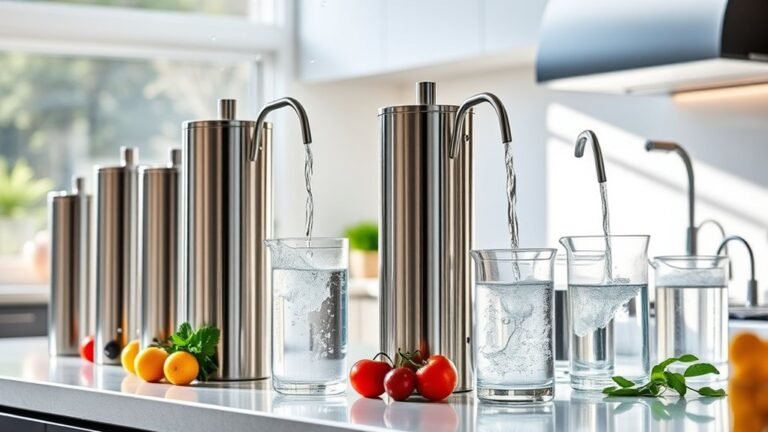
Best Water Filter For Home Use: Unbelievable Clean Water!
Many people worry about the quality of tap water in their homes and want a reliable way to improve it. Finding the right solution can be confusing with so many products on the market.
A good home water filter helps remove impurities, improves taste, and provides peace of mind for families. Whether you have hard water, chlorine concerns, or other contaminants, selecting the right filter makes a noticeable difference.
This guide is designed for homeowners who want clear, safe drinking water without complicated setups or costly maintenance. In this review, we will explore key features, filtration performance, and ease of use of some of the leading water filters available. By the end, you will have a better understanding of what to look for to suit your home’s needs and budget.
By the end, you will have a better understanding of what to look for to suit your home’s needs and budget.
Discover Top Solutions to Ensure Clean, Refreshing Water Straight from Your Tap
| Image | Product | Price |
|---|
Discover the Ultimate Guide to Choosing the Best Water Filter for Home Use
Capacity and flow rate
When choosing a water filter for home use, it helps to keep in mind how much water your household typically consumes daily to avoid running out of filtered water during busy times. Filters come with varying lifespans and capacities, so selecting one that matches your consumption habits will save both time and money on replacements while maintaining clean water flow.
Balancing these factors allows for an efficient setup that meets your family’s size and lifestyle, ensuring pleasant usability throughout the day without constant interruptions or delays.
Contaminants and filtration needs
Choosing a water filter begins with understanding the common impurities you want to remove from your tap water. Many water sources include chlorine, which affects taste and odor, as well as heavier elements like lead and microbial contaminants that impact safety. A practical step is to have your water tested, either through a home testing kit or a professional service, so you know exactly what is present and can select a filtration system tailored to remove those substances effectively.
A practical step is to have your water tested, either through a home testing kit or a professional service, so you know exactly what is present and can select a filtration system tailored to remove those substances effectively. Reliable filters carry certifications from recognized organizations, confirming their performance claims and safety standards. Focusing on filters that target chlorine will enhance flavor and odor, while options designed to eliminate lead and bacteria offer protection against serious health risks.
This approach can help in choosing the correct filter media, such as activated carbon for chlorine and specialized membranes for heavy metals and pathogens, making sure the water you consume is both clean and pleasant.
Installation and maintenance
When choosing a product that relies on regular upkeep, paying attention to how easy it is to put together can save a lot of frustration down the road. Some models are designed with user-friendly features that make the initial setup a straightforward process, often requiring minimal tools or professional help. Keeping track of how often the main components need to be replaced is also valuable, as this affects both convenience and ongoing expenses; certain options come with longer-lasting parts that reduce the frequency of changes and help stretch your budget further.
Keeping track of how often the main components need to be replaced is also valuable, as this affects both convenience and ongoing expenses; certain options come with longer-lasting parts that reduce the frequency of changes and help stretch your budget further. The amount of routine care involved varies, with some setups needing only occasional cleaning while others demand more diligent attention to maintain effectiveness. It’s equally important to confirm that replacement parts are readily available, so you won’t face downtime or difficulties when it’s time for maintenance.
Having accessible, standard components ensures a smoother experience over the lifespan of the unit, allowing it to function reliably without unnecessary delays or added costs.
Filtration technology
Choosing the right water filtration system requires understanding how different methods work to improve water quality. Activated carbon filters excel at removing chlorine, odors, and many organic compounds, making them a practical choice for enhancing taste and reducing common contaminants. Reverse osmosis systems are highly effective for eliminating a wide range of impurities, including heavy metals and dissolved salts, by forcing water through a semi-permeable membrane; this makes them ideal for households concerned about various pollutants.
Reverse osmosis systems are highly effective for eliminating a wide range of impurities, including heavy metals and dissolved salts, by forcing water through a semi-permeable membrane; this makes them ideal for households concerned about various pollutants. Ultrafiltration combined with UV purification offers an added layer of protection by filtering out bacteria and viruses while also neutralizing microorganisms with ultraviolet light, providing peace of mind where microbial contamination is a concern. Ceramic filters provide a natural barrier to sediments and bacteria through their porous structure and are often appreciated for their durability and simplicity.
Ion exchange technology focuses on softening water by replacing calcium and magnesium ions with sodium or potassium, which is beneficial in areas with hard water issues. When deciding on a system, consider the specific quality of your tap water and the contaminants you want to target, alongside the maintenance requirements and installation complexity. Balancing performance, cost, and ease of use helps in selecting an efficient and reliable option that suits everyday household needs.
Balancing performance, cost, and ease of use helps in selecting an efficient and reliable option that suits everyday household needs.
Types of water filters
When choosing a water filter for use in a home setting, understanding the various options can make the decision simpler and help match the filter type to your specific needs. Pitcher filters offer a straightforward and portable solution, suitable for improving taste and reducing chlorine or sediments, making them ideal for those who want quick access to filtered water without installation hassles. Faucet-mounted filters attach directly to the kitchen tap, providing convenience and continuous filtration, which works well for smaller households or renters.
Faucet-mounted filters attach directly to the kitchen tap, providing convenience and continuous filtration, which works well for smaller households or renters. For more permanent setups, undersink filtration systems fit neatly beneath the counter and deliver higher capacity filtration, often targeting contaminants like lead or bacteria, which is beneficial for families seeking improved water quality without occupying countertop space. Whole house water filters treat water as it enters the home, ensuring that all taps, showers, and appliances receive filtered water, giving comprehensive protection especially in areas with poor water quality or hard water issues.
Countertop filters rest on the kitchen counter and connect easily to the faucet, striking a balance between ease of installation and effective filtration, often preferred by those who want a robust system without plumbing changes. When buying, take into account factors such as the types of contaminants you want to remove, your water usage, space availability, and installation preferences. It’s also helpful to check filter lifespan, maintenance requirements, and certification standards to ensure the filter meets your quality expectations while fitting your lifestyle seamlessly.
Cost and warranty
Choosing a water filter for home use involves more than just the initial purchase price, as ongoing expenses can affect overall satisfaction and convenience. Many reliable filters require regular replacement of cartridges or membranes, which contributes to longterm maintenance costs that are worth factoring into your budget.
Warranty coverage often reflects the manufacturer’s confidence in the product, offering peace of mind through repair or replacement options; checking the length and inclusions of such coverage can save trouble later on. Responsive customer support is another advantage that helps resolve any issues smoothly, especially when maintenance or installation assistance is needed.
Balancing these elements will help create a practical and cost-effective approach to clean water at home that fits your lifestyle and expectations.
FAQ’s
How Do I Choose The Best Water Filter Based On My Water Quality?
To choose the best water filter based on your water quality, first test your water to identify contaminants like chlorine, lead, or hardness. Then select a filter certified to remove those specific impurities, such as activated carbon for chlorine or reverse osmosis for heavy metals.
What Are The Benefits Of Using A Water Filter At Home?
Using a water filter at home improves water taste and removes harmful contaminants, ensuring safer and healthier drinking water. It also reduces the need for bottled water, helping to save money and protect the environment.
How Often Should Home Water Filters Be Replaced Or Maintained?
Home water filters should typically be replaced every 3 to 6 months, depending on usage and water quality. Regular maintenance, such as cleaning or flushing the filter, may be needed monthly to ensure optimal performance.
Are Countertop Or Under-Sink Water Filters Better For Residential Use?
Countertop water filters are generally easier to install and maintain, making them ideal for renters or those seeking portability, while under-sink filters provide a more permanent, space-saving solution with better aesthetics. The best choice depends on your specific needs, kitchen layout, and water filtration goals.
What Are The Most Effective Types Of Water Filters For Home Use?
The most effective types of water filters for home use are activated carbon filters and reverse osmosis systems. Activated carbon filters efficiently remove chlorine, odors, and organic contaminants, while reverse osmosis systems provide thorough purification by eliminating a wide range of impurities, including heavy metals and dissolved solids.
Conclusion
Choosing the best water filter for home use involves weighing the balance between effective contaminant removal, ease of installation, maintenance needs, and cost. Many filters provide clean, great-tasting water, but some may require frequent filter changes or have limited filtration capacity. This type of product is ideal for households seeking improved water quality without significant plumbing modifications or ongoing expenses.
Buyers concerned about specific contaminants should verify the filter’s certifications and performance data. Overall, the best water filter for home use offers a reliable solution to enhance drinking water safety and taste, catering to a wide range of needs without overwhelming complexity.
Making an informed choice based on your household’s priorities will result in satisfying long-term benefits.