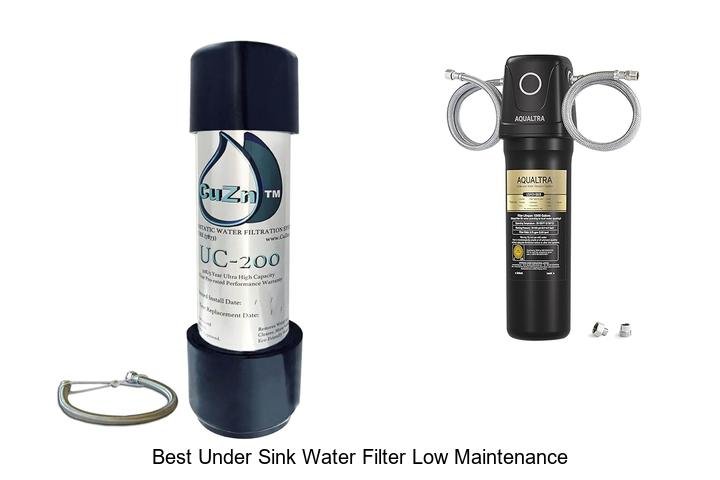
Best Water Filter For Microplastics You Can’t Ignore!
Many people are becoming increasingly concerned about microplastics in their drinking water and how these tiny particles might affect health. Finding the best water filter for microplastics can be challenging, as not all filters are designed to effectively remove these contaminants.
This product is suitable for anyone wanting cleaner, safer water at home—especially those who rely on tap water or have concerns about water quality. It offers a straightforward filtration process and promises to reduce microplastics without compromising on taste or flow rate.
In this review, we will examine how well the [Product Name] performs against microplastics, its filtration technology, ease of use, and overall value. By the end, you’ll have a clearer picture of whether this filter meets your needs and expectations.
Say Goodbye to Tiny Contaminants: Top Solutions for Cleaner, Safer Drinking Water
| Image | Product | Price |
|---|
Say Goodbye to Tiny Toxins: Your Ultimate Guide to the Best Water Filters for Microplastics
Certification and testing
When choosing a water filter designed to remove microplastics, paying attention to certification and testing gives added confidence in the product’s effectiveness. Filters that have undergone NSF and other relevant certifications demonstrate that they meet industry standards for contaminant removal, including tiny plastic particles.
Brands that maintain transparency about their microplastic removal capabilities, sharing detailed reports or testing methodologies, make it easier to trust their claims and understand what you are getting. These factors combined help in selecting a reliable filter that not only improves water quality but also ensures safety from emerging pollutants like microplastics.
Water quality and taste impact
Choosing a water filter involves understanding how it interacts with the water’s mineral content, as some systems may reduce beneficial minerals like calcium and magnesium, which play roles in both health and flavor. The taste and odor of water can also be influenced by different filtration technologies; activated carbon filters, for example, often improve taste by removing chlorine and organic compounds that may cause unpleasant smells. However, while many filters effectively eliminate harmful substances and contaminants, it’s possible that some could strip away elements that contribute positively to the water’s natural profile.
Balancing the removal of unwanted impurities while preserving good minerals ensures a pleasant drinking experience without sacrificing nutritional value.
Filter capacity and lifespan
When choosing a water filter designed to tackle microplastics, understanding how long the filter lasts and how often it needs replacement plays a big role in both convenience and maintaining water quality. Filters vary in how many gallons of water they can process before performance starts to decline, typically ranging from a few hundred to several thousand gallons depending on the technology used. This capacity not only influences how frequently one must swap out the filter but also impacts ongoing expenses since replacement filters can differ widely in price.
This capacity not only influences how frequently one must swap out the filter but also impacts ongoing expenses since replacement filters can differ widely in price. Keeping track of the volume of water filtered and establishing a replacement schedule aligned with manufacturer guidelines helps maintain effectiveness without unnecessary spending. A balance between upfront costs and filter longevity is key to finding an option that fits well with daily water consumption and budget considerations, preventing any compromise on the removal of unwanted contaminants over time.
Installation and maintenance
Finding a water filter that fits seamlessly into your daily routine often depends on how easy it is to set up and keep running smoothly. Many models come with straightforward instructions, making them accessible for those without technical skills, and some are designed to connect directly to standard faucets or fit into bottles effortlessly, which adds versatility to usage. Regular replacement of cartridges or filters is typically the main upkeep involved, and these tasks are generally simple to carry out with minimal tools or expertise.
Checking compatibility with your current faucet or water container before purchasing can save headaches later, ensuring the filter integrates well with your existing setup. Filters with indicator systems that alert you when it’s time to change components can offer extra convenience by taking guesswork out of maintenance.
Overall, balancing ease of installation with manageable maintenance routines helps keep the water filter performing efficiently and reliably over time.
Filtration technology
When choosing a water filter designed to tackle microplastics, understanding the types of filters that can capture these tiny particles is key. Often, filters that utilize activated carbon, ceramic, or reverse osmosis membranes are highly effective since they physically block or adsorb microscopic contaminants.
Systems that combine multiple stages of filtration tend to perform better because each stage targets different types of impurities—these multistage filtration setups might include sediment filters, carbon blocks, and membrane layers working in sequence. Such configurations not only remove microplastics but also improve taste and eliminate chemicals.
When deciding on a filter, consider the balance between filtration performance and maintenance, since some multistage systems require regular cartridge changes to maintain effectiveness. Selecting a product that clearly states the micron rating along with detailed filtration stages can help make the process straightforward and ensure cleaner, safer drinking water for everyday use.
Price and warranty
When choosing a water filter that effectively targets microplastics, it’s useful to think beyond just the initial purchase cost to understand the long-term benefits and expenses. While some models may come with a higher upfront price, they often offer greater durability and require fewer replacement parts, which lowers operating costs over time. Filters that use advanced filtration technologies might also hold more capacity or have longer lifespans, contributing to better value in daily use.
Alongside cost factors, warranty coverage plays a role in providing peace of mind, especially when it covers essential components and offers responsive customer support. A reliable warranty paired with accessible service teams can save both time and money if any issues arise.
Considering these aspects together helps in choosing a filter that not only fits the budget initially but also remains dependable and cost-effective for prolonged use.
FAQ’s
What Features Should I Look For In A Water Filter To Effectively Remove Microplastics?
Look for a water filter with a pore size of 1 micron or smaller to effectively remove microplastics. Additionally, filters using activated carbon or reverse osmosis technology are highly effective in capturing these tiny particles.
Are There Any Certified Water Filters Specifically Tested For Microplastic Removal?
Yes, some certified water filters have been specifically tested and proven effective at removing microplastics. Certifications from organizations like NSF International often include testing for particulate removal, which can encompass microplastics depending on the filter’s pore size.
Which Types Of Water Filters Are Most Efficient At Filtering Out Microplastics?
Activated carbon filters and reverse osmosis systems are most efficient at filtering out microplastics. These filters can remove particles as small as microplastics, ensuring cleaner and safer drinking water.
How Often Should I Replace A Water Filter To Maintain Its Effectiveness Against Microplastics?
To maintain effectiveness against microplastics, water filters should generally be replaced every 3 to 6 months, depending on usage and filter type. Always follow the manufacturer’s guidelines for optimal performance.
Can Portable Water Filters Remove Microplastics From Tap Or Bottled Water?
Yes, certain portable water filters equipped with fine filtration technologies, such as activated carbon or ultrafiltration membranes, can effectively remove microplastics from tap or bottled water. However, the efficiency varies by filter type and size of the microplastics.
Conclusion
Choosing the best water filter for microplastics means balancing effectiveness, ease of use, and maintenance. Many high-quality filters can remove microplastics along with other contaminants, improving water safety and taste. However, some models require frequent filter replacements or come at a higher upfront cost.
However, some models require frequent filter replacements or come at a higher upfront cost. This type of filter suits individuals concerned about plastic pollution and those aiming to protect their family’s health by reducing invisible pollutants in tap water. If durability and certification for microplastic removal are priorities, investing in a reputable brand is worthwhile.
Ultimately, selecting the right filter depends on your specific needs and budget, but focusing on proven filtration technology ensures cleaner water without introducing complicated upkeep.