Best Water Filter For Nanoplastics That Will Shock You
Many people are becoming concerned about tiny plastic particles contaminating their drinking water. These nanoplastics are difficult to detect and even harder to filter out using regular water filters.
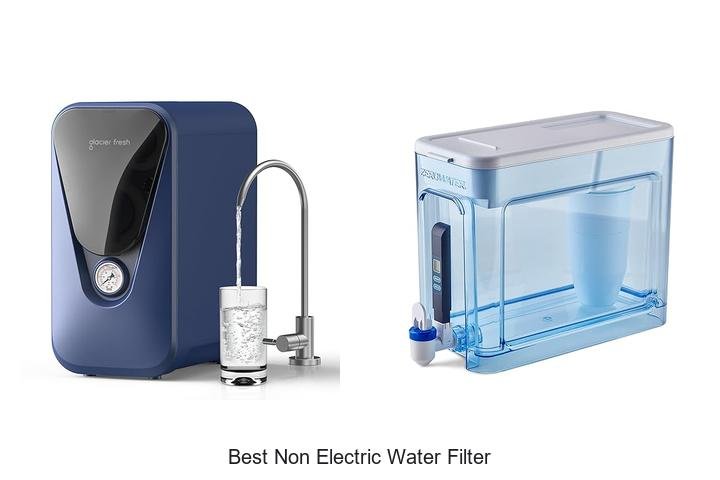
Finding a solution that effectively removes these small pollutants is a growing need for any household focused on clean water. The best water filter for nanoplastics offers a way to address this issue by targeting particles at a microscopic level. This type of water filter is designed for individuals who want additional protection beyond standard filtration methods.
It can help reduce exposure to harmful substances that standard filters might miss. This review will examine how these filters work, their key features, and which models stand out for performance and reliability.
Protect Your Health with the Ultimate Solution for Tiny Plastic Contaminants
| Image | Product | Price |
|---|
Top Picks for the Best Water Filter to Remove Nanoplastics: What You Need to Know
Cost and value for money
When choosing a water filter, it’s helpful to weigh the initial purchase price against the ongoing expenses related to replacement cartridges and maintenance. Some brands may offer a lower upfront cost but require frequent or costly filter changes, which can add up over time.
Higher-priced units often come with enhanced features such as smart indicators for filter life, multi-stage filtration systems, or certifications confirming their effectiveness, making them a worthwhile investment for those prioritizing water quality and convenience. Considering how often you’ll use the filter and the quality of your local water supply can guide you toward a balance between cost and benefits that suits your needs without overspending unnecessarily.
Filter capacity and lifespan
When selecting a water filter designed to tackle nanoplastics, understanding how long the filter lasts and how much water it can effectively process before needing replacement is key for a smooth experience. Filters often specify the approximate volume of water they can purify, which typically ranges from a few hundred to several thousand liters, depending on the model and technology.
Paying attention to built-in indicators or alert systems can simplify timely replacements, helping maintain the filter’s performance without guesswork. Additionally, considering the cost and ease of obtaining replacement filters can save both time and money over the long run, ensuring that upkeep doesn’t become a hassle. Opting for systems that balance longevity with affordable filter replacements tends to offer the best value while consistently providing clean water free from nanoplastics.
Filter technology and effectiveness
Choosing a water filter capable of addressing nanoplastics involves understanding the various filtration methods designed to capture these tiny particles, which are often smaller than a micrometer. Some filters employ advanced membrane technologies that excel at trapping microscopic debris, while others combine mechanical filtration with adsorption materials that can reduce a broader range of impurities. The efficiency of these filters is often reflected in their certification ratings from recognized testing organizations, which can provide assurance regarding their ability to remove not just nanoplastics but other contaminants such as chlorine, heavy metals, and pathogens.
Many units tested under strict standards demonstrate removal rates exceeding 90% for nanoplastics, making them highly reliable for everyday use. Considering this, it is beneficial to prioritize filters that offer multi-stage purification processes, enhancing overall water quality and safety.
Understanding your water source and specific purification needs will help in selecting a model that balances effective nanoplastic removal with the elimination of additional unwanted substances, resulting in cleaner and safer drinking water for your household or personal use.
Material safety and build quality
When selecting a reliable water filter, paying attention to the safety of materials used is a key aspect that often gets overlooked. Choosing filters made from BPAfree and nontoxic materials helps in preventing harmful chemicals from leaching into your purified water, which is a concern for many users concerned about health and safety. It’s also beneficial to opt for models known for their durability and resistance to bacterial growth, as this directly impacts both the lifespan of the filter and the quality of the water it produces over time.
It’s also beneficial to opt for models known for their durability and resistance to bacterial growth, as this directly impacts both the lifespan of the filter and the quality of the water it produces over time. A sturdy build made from durable components reduces the need for frequent replacements and protects against wear and tear from daily use. Additionally, a manufacturer that offers a solid warranty and attentive customer support can provide peace of mind, ensuring that any issues encountered during ownership are addressed promptly and professionally.
These factors combined lead to a safer and more dependable filtration experience, making the investment worthwhile and the maintenance hassle-free.
Water flow rate and installation
When choosing a water filter that targets nanoplastics, pay attention to how the filtration process might affect the water’s pressure and flow. Some filters employ fine membranes or multiple layers that can slightly slow down the water, which might be noticeable if your household relies on high flow rates for showers or faucets.
Compatibility with your current plumbing or faucet setup also plays a significant role; filters that align seamlessly with standard fittings or offer adaptable connections save you the hassle of additional modifications. Considering ease of installation is wise, especially if you prefer a straightforward setup without hiring a professional.
Many systems come with clear instructions and tools that let you install them under the sink or attach them directly to the faucet with minimal effort. Additionally, maintaining the filter—usually involving periodic cartridge changes or cleaning—affects the overall user experience.
Opt for designs that provide easy access to replace components and include indicators or alerts to remind you when it’s time for maintenance, helping keep the filter effective without extra guesswork. Balancing these aspects ensures a smooth integration of the filter into your home, safeguarding your water quality without compromising convenience or performance.
User reviews and expert recommendations
Many users have reported that water filters designed to handle nanoplastics typically deliver consistent effectiveness, particularly when equipped with advanced filtration media like activated carbon combined with ultrafiltration membranes. These filters tend to reliably reduce not only visible particles but also microscopic contaminants, providing a clearer and safer drinking experience over time.
In environments where water contains varying levels of sediments, chemicals, or biological agents, certain models have demonstrated greater adaptability without sacrificing flow rate or filter lifespan, which proves beneficial for households facing diverse water challenges. The choice of a filter is also influenced by maintenance requirements and compatibility with existing plumbing setups, and experienced users often recommend prioritizing ease of filter replacement alongside proven contaminant removal capabilities to maintain reliability over the long term.
FAQ’s
What Types Of Water Filters Are Most Effective At Removing Nanoplastics?
Nano-filtration membranes and reverse osmosis filters are most effective at removing nanoplastics due to their extremely small pore sizes. These advanced filtration systems can capture particles smaller than 1 nanometer, ensuring the removal of even the tiniest plastic contaminants.
Can Activated Carbon Filters Remove Nanoplastics From Drinking Water?
Activated carbon filters can reduce some nanoplastics in drinking water by adsorbing certain particles, but they are not fully effective at removing all nanoplastics due to the extremely small size of these contaminants. Advanced treatment methods like membrane filtration are often needed for more comprehensive removal.
What Are The Pros And Cons Of Using Reverse Osmosis Systems For Nanoplastic Filtration?
Reverse osmosis systems effectively remove nanoplastics by filtering out particles as small as 0.0001 microns, providing high purification levels. However, they can be costly, waste significant water during the process, and may require regular maintenance.
Are There Any Certifications Or Standards To Look For When Choosing A Water Filter For Nanoplastics?
When choosing a water filter for nanoplastics, look for certifications such as NSF/ANSI Standard 53 or 58, which indicate the filter’s capability to remove microscopic contaminants. Additionally, filters tested for particle reduction at the nanoplastic size range by reputable third-party labs provide added assurance.
How Do Nanoplastics Impact Human Health, And Why Is Filtration Important?
Nanoplastics can enter the human body through ingestion or inhalation, potentially causing inflammation, cellular damage, and disrupting bodily functions. Filtration is important because it helps remove these tiny particles from water and air, reducing exposure and lowering the risk of associated health issues.
Conclusion
Choosing the best water filter for nanoplastics involves weighing the effectiveness of filtration technology against ease of use and maintenance requirements. Many filters excel at removing microscopic particles, including nanoplastics, but some models may require frequent cartridge changes or higher upfront costs. This type of water filter is particularly suited for households concerned about emerging contaminants in drinking water and aiming to improve overall water purity.
Potential buyers should evaluate factors such as filter lifespan, certification standards, and water flow rate to match their specific needs. While no single product is perfect for everyone, selecting a reputable water filter designed specifically for nanoplastic removal can offer peace of mind and safer hydration.
Carefully considering these aspects will help finalize the right choice without overpromising results.