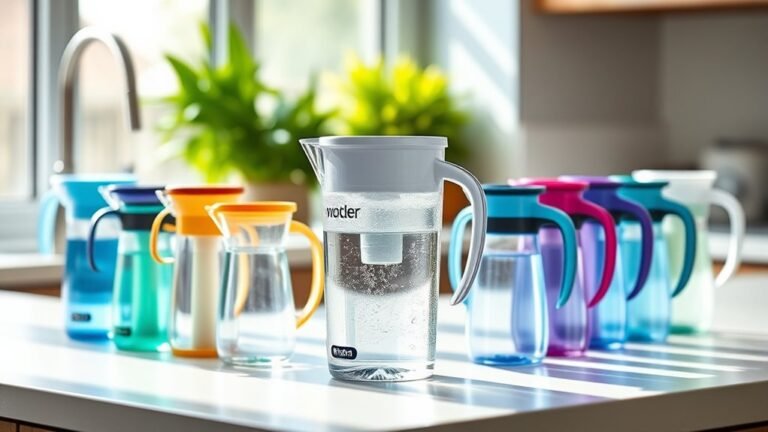
Best Water Filter For Removing Contaminants Revealed!
If you want clean and safe drinking water at home, choosing the right filtration system is key. Many water filters claim to remove impurities, but not all are effective against every contaminant you might face.
A reliable water filter can help reduce harmful substances like lead, chlorine, and bacteria, improving the taste and safety of your water. Whether you have hard water, live in an area with older pipes, or just want peace of mind, the right filter makes a noticeable difference.
This review will guide you through some of the most trusted water filters available. We’ll cover important features, how well they remove common contaminants, ease of use, and value for money.
Discover Top Solutions That Purify Your Water Like Never Before
| Image | Product | Price |
|---|---|---|
Pick 1  | PUR 30-Cup Countertop Water Filter Dispenser, 1 Genuine PUR Filter, | Check Price On Amazon |
7. PUR 30-Cup Countertop Water Filter Dispenser, 1 Genuine PUR Filter,
Enjoy crisp and clean drinking water with the PUR 30-Cup Countertop Water Filter Dispenser. Designed to fit comfortably on your countertop or inside your refrigerator, it provides a convenient way to access filtered water at home.
The dispenser combines effective filtration with user-friendly features, making hydration easy and more enjoyable. This sleek and practical solution helps reduce contaminants and improve the taste of your tap water.
The PUR 30-Cup Dispenser holds a generous amount of water while maintaining a slim profile to save space. It comes equipped with one genuine PUR filter, certified to last up to 40 gallons or two months under regular use.
Built for ease, it features a pull-down spout for smooth pouring and a carrying handle that simplifies refilling and transporting. The entire dispenser is dishwasher safe, streamlining clean-up after daily use.
This system is NSF certified to remove chlorine, mercury, copper, and zinc, elements known for causing unpleasant taste and odor. It effectively reduces over 15 chemical and physical substances, guaranteeing better-tasting water.
Ideal for households prioritizing health and savings, the dispenser helps cut costs by reducing bottled water use. Its durable design and trusted brand reputation make it a reliable choice for anyone seeking an easy way to enhance drinking water quality.
Pros
- Large 30-cup capacity with slim design fits well in fridge or countertop
- Includes one genuine PUR filter certified for faster filtration and long life
- NSF certified to reduce chlorine, mercury, copper, zinc, and over 15 contaminants
Cons
- Filter replacement every two months or 40 gallons may require frequent upkeep
A dependable water filtration choice, the PUR 30-Cup Countertop Water Filter Dispenser combines space-efficient design with proven contaminant reduction. It delivers fresh, great-tasting water quickly and comfortably.
Perfect for homes aiming to reduce bottled water while improving water quality.
| Product Name | PUR 30-Cup Countertop Water Filter Dispenser |
|---|---|
| Capacity | 30 cups |
| Filter Included | 1 Genuine PUR Pitcher Filter |
| Filter Life | Up to 40 gallons / 2 months |
| Certification | NSF Certified for contaminant reduction |
| Key Contaminants Reduced | Chlorine, mercury, copper, zinc, and 15+ others |
| Features | Dishwasher safe, pull-down spout, carrying handle, slim design |
| Brand Trust | Over 35 years |
Ultimate Guide to Choosing the Best Water Filter for Removing Contaminants Effortlessly
Filter capacity and lifespan
When selecting a water filter, understanding how much water it can handle before needing a replacement adds great convenience and helps maintain water quality. Many filters specify the number of gallons they can treat, informing you about the volume of clean water you can expect. Alongside this, lifespan often gets measured in months, signaling how long the filter stays effective under typical household use.
Alongside this, lifespan often gets measured in months, signaling how long the filter stays effective under typical household use. Some advanced models come equipped with indicators that alert you when it’s time to change the filter, which takes guesswork out of maintenance and helps avoid using a filter beyond its capacity. Paying attention to these details ensures that your water filter performs reliably without diminishing water quality over time, making your investment practical and hassle-free for everyday use.
Water flow rate and efficiency
When selecting a water filter, the impact on water pressure is a key element to keep in mind since some systems can noticeably reduce the flow if their filtration media is too dense or clogged. Filtration speed plays an important role as well; a faster process helps maintain a consistent supply of clean water without long waits, which is particularly useful during busy household hours.
Efficiency in terms of water wastage also affects the overall experience because systems that discard excessive amounts of filtered water can become costly and wasteful over time. Balancing these factors makes a difference in everyday use, ensuring that the filtered water is available promptly while minimizing inconvenience due to low pressure or frequent maintenance. Choosing a model designed with thoughtful engineering around these aspects will provide smooth operation and convenience in both residential and small office settings.
Contaminants targeted
Choosing the right water filter involves paying attention to its ability to handle a variety of contaminants effectively. A dependable system excels at removing heavy metals such as lead and mercury, which can have serious health implications even at low concentrations. Equally important is its efficiency in eliminating chlorine and other chemicals that may cause unpleasant tastes and odors in the water.
Beyond chemical contaminants, a quality filter should also be capable of trapping sediments and tiny particulates, preventing them from clouding your water or damaging appliances. For those concerned about microbiological safety, selecting a filter that reduces bacteria and viruses can provide additional peace of mind.
When making a purchase, consider filters that combine multiple stages or technologies since they tend to cover a broader range of impurities. It helps to check certifications from recognized authorities, as these validate the filter’s performance claims.
Installation and maintenance
Choosing a water filter often involves considering how easy it is to get started without specialized tools or professional help. Many models today come with straightforward installation processes that typically require only basic hand tools, making setup accessible to those with minimal DIY experience.
Regular upkeep is another factor that influences long-term satisfaction. Filters generally need periodic cleaning and replacement of cartridges to maintain their effectiveness and keep the water tasting fresh.
Some systems might require flushing or rinsing to prevent buildup, while others have self-cleaning mechanisms that reduce the manual effort needed. Availability of replacement filters also plays a significant role in the overall cost and convenience.
In addition, subscribing to filter delivery services or purchasing replacements in bulk can be economical and ensures the system continues performing well without interruption. Paying attention to these practical aspects helps create a smooth experience from installation through everyday use.
Types of water filters
When choosing a water filter, paying attention to the key features can make all the difference in the quality of water you enjoy. Activated carbon filters excel at improving taste and removing chlorine and organic compounds, making them a great choice for everyday use in homes where water mainly needs purification from odors and chemicals.
Reverse osmosis systems are excellent for those seeking thorough removal of a wide range of contaminants, including heavy metals and dissolved solids; these systems are often preferred in areas with hard water or significant pollution. UV purifiers take a different approach by using ultraviolet light to effectively neutralize bacteria and viruses, offering an excellent solution for microbial safety without altering the mineral content of the water. Ceramic filters provide a natural barrier to sediments and pathogens, and their durability makes them particularly useful in environments where water sources might be muddy or contain larger particles.
Picking the right option depends on understanding your specific water quality and usage needs. For instance, a family concerned about microbial contamination may prioritize UV purifiers or ceramic filters, while someone aiming for the best overall taste and clarity might lean toward activated carbon or reverse osmosis setups. Considering factors like installation space, maintenance requirements, and filter replacement frequency also helps in making a practical choice that suits daily routines and budget.
Certifications and testing
Choosing a water filter that effectively removes contaminants begins with paying close attention to certifications such as NSF/ANSI standards, which confirm that the product meets specific safety and performance benchmarks. These certifications provide reassurance about the filter’s capability to reduce harmful substances like chlorine, lead, or bacteria. Independent lab testing plays a significant role by validating manufacturer claims through unbiased analysis, adding another layer of confidence when selecting a model.
Transparency from the manufacturer regarding the filter media used, expected lifespan, and maintenance requirements contributes greatly to making an informed decision. Reading through warranty offerings also helps gauge the manufacturer’s commitment to quality and customer satisfaction.
Filters that come with clear documentation and solid guarantees tend to deliver consistent, reliable performance, which is key when the goal is to improve water quality for daily use and overall health.
FAQ’s
What Are The Most Common Contaminants Found In Tap Water That Water Filters Should Remove?
The most common contaminants found in tap water that water filters should remove include chlorine, lead, bacteria, pesticides, and sediment. Effective filters also target heavy metals and volatile organic compounds (VOCs) to ensure safe and clean drinking water.
Are There Any Affordable Water Filters That Provide Comprehensive Protection Against Multiple Contaminants?
Yes, there are affordable water filters like activated carbon filters combined with reverse osmosis systems that provide comprehensive protection against multiple contaminants. Brands such as AquaPure and APEC offer budget-friendly options that effectively remove bacteria, heavy metals, chlorine, and other common pollutants.
Which Types Of Water Filters Are Most Effective At Removing Heavy Metals And Chemicals?
Activated carbon filters and reverse osmosis systems are most effective at removing heavy metals and chemicals from water. Activated carbon filters adsorb contaminants, while reverse osmosis physically removes them through a semi-permeable membrane.
What Certifications Should I Look For When Choosing A Water Filter For Contaminant Removal?
Look for water filters certified by NSF International, especially NSF/ANSI Standards 42, 53, and 58, which ensure effective removal of common contaminants like chlorine, lead, and cysts. Additionally, certifications from the Water Quality Association (WQA) indicate reliable performance and safety standards.
How Do Activated Carbon Filters Compare To Reverse Osmosis Systems In Contaminant Removal?
Activated carbon filters are effective at removing chlorine, volatile organic compounds (VOCs), and improving taste and odor, while reverse osmosis systems provide more comprehensive contaminant removal, including heavy metals, dissolved salts, and microorganisms. However, reverse osmosis systems are typically slower and more expensive compared to activated carbon filters.
Conclusion
Choosing the best water filter for removing contaminants depends on your specific needs and water quality concerns. While most effective filters eliminate a wide range of impurities including chlorine, heavy metals, and bacteria, some models may involve higher upfront costs or require regular maintenance.
For those worried about removing diverse contaminants, these filters offer reassurance through tested purification methods. Balancing performance with cost and ease of use will guide your decision.
Overall, selecting a reliable water filter designed specifically to reduce contaminants ensures cleaner, healthier water, making it a worthwhile addition to any home aiming for improved water safety.