Best Water Filter for Tea That Will Change Your Brew Game!
Many tea drinkers notice that the taste of their brew can change depending on the water used. Hard water or water with impurities can dull the delicate flavors and aromas that make tea so enjoyable. Finding the best water filter for tea is key to improving every cup you make.
Finding the best water filter for tea is key to improving every cup you make. A suitable water filter helps remove chlorine, sediments, and unwanted minerals without stripping away beneficial elements. This makes it a great option for anyone who wants a cleaner, purer water source to enhance their tea experience.
Whether you use loose-leaf tea or bags, filtered water can bring out the best in your leaves. This review will look closely at some reliable water filters designed specifically for tea preparation.
By the end, you’ll have a clearer idea of which filter might work well for your tea routine.
Enhance Every Sip with the Perfect Purity: Top Picks to Elevate Your Tea Experience
| Image | Product | Price |
|---|
Brew the Perfect Cup: How to Choose the Best Water Filter for Tea
Impact on tea taste and aroma
The way different water filters handle mineral content directly affects the flavor profile of your tea. Filters that remove too many minerals can result in water that tastes flat and lifeless, which in turn mutes the vibrant notes and subtle aromas that good tea offers. On the other hand, maintaining certain beneficial minerals like calcium and magnesium enhances the tea’s richness and complexity, allowing its inherent qualities to shine through.
Choosing a filtration system that gently purifies without stripping away these elements strikes the right balance between clean water and preserved character. While aiming for purity, avoiding overpurification helps retain the natural nuances of the tea leaves, preventing an overly bland cup.
Understanding how various filters influence water composition helps in selecting one that supports a flavorful and aromatic tea experience every time.
Ease of use and maintenance
When choosing the best water filter for tea, it’s helpful to consider how simple it will be to install and set up, especially if you prefer a straightforward process that doesn’t require specialized tools or professional assistance. Many filters come with clear instructions and require minimal assembly, which can save time and hassle before you start brewing.
Maintaining the filter often involves regular cleaning to prevent build-up that could affect flavor, with some models needing only a quick rinse while others might require more thorough care every few weeks. Replacing the filter element is generally designed to be user-friendly; most systems allow for easy removal of the old cartridge and insertion of a new one without mess or complex procedures, ensuring your water remains pure and your tea tastes fresh over time.
Filter capacity and lifespan
Choosing the right water filter for tea involves paying attention to how much water it can process before needing a replacement, as this affects both convenience and value. Many filters specify the volume they can handle, which varies widely depending on the model and technology, so selecting one that matches your brewing frequency helps avoid frequent replacements.
Indicators such as color-changing elements or digital alerts are especially helpful for staying on top of filter lifespan, preventing a decline in water quality that can impact the tea’s flavor. Replacement filters come at different price points, so balancing filter longevity with the cost of cartridges is a practical approach to maintaining quality without overspending. Filters designed to remove chlorine and other impurities contribute to the purest taste, making it worthwhile to consider both filter capacity and how easily you can track when a change is due to keep your tea tasting fresh and vibrant.
Water quality and filtration needs
Water used for brewing tea often contains various impurities that can subtly alter its flavor and aroma. Typical contaminants include chlorine, which is added during municipal water treatment to kill bacteria but can leave an unpleasant taste. Heavy metals such as lead and mercury may also be present due to aging pipes or environmental pollution, introducing off-notes or potential health concerns.
Sediments and particulates can cloud the water and affect the clarity of your tea, diminishing its overall quality. Filters designed to address these issues typically remove chlorine, heavy metals, and suspended solids, allowing the pure, delicate flavors of the tea leaves to shine through.
When selecting a filtration system, one should consider the types of contaminants identified in the local water supply and choose a filter that specifically targets those impurities, thereby preserving the subtle nuances and natural sweetness that make a cup of tea truly enjoyable.
Filter types and technologies
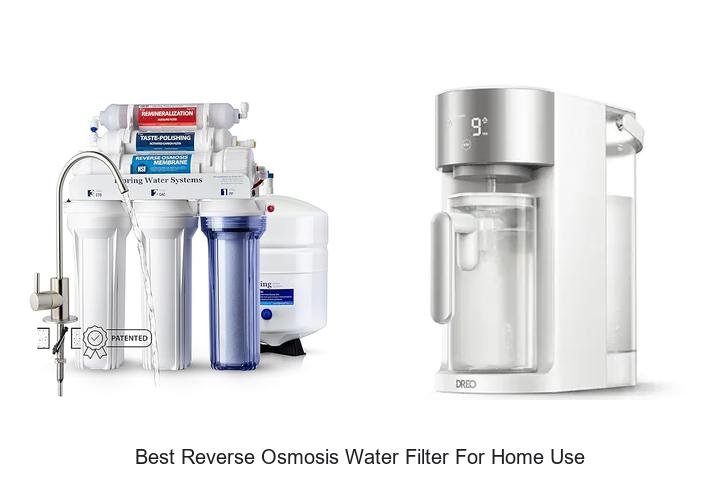
Choosing the best water filter for tea involves paying attention to features that affect both the purity and taste of your brew. Activated carbon filters excel at removing chlorine and organic compounds that can negatively impact flavor, resulting in a smoother cup. Reverse osmosis systems offer a more thorough filtration process by stripping away a wide range of impurities, including heavy metals and minerals, which can be helpful if your water supply has harder or more complex contaminants.
For those who prefer a natural filtration approach, ceramic and ion exchange filters provide effective removal of sediments and soften water by exchanging calcium and magnesium ions, which often enhances the tea’s aroma and mouthfeel. Depending on where you live and the quality of your tap water, it’s wise to evaluate whether you need simple taste and odor improvement or deeper purification.
Another tip is to match the filter’s capacity and maintenance requirements with your daily tea brewing routine to ensure convenience over time. Paying attention to filter replacement frequency and compatibility with your tea preparation habits can make the difference between a frustrating and enjoyable experience.
Additional features and considerations
Choosing the best water filter for tea involves paying attention to several key aspects that impact both performance and convenience. The filter’s size and design should complement your kitchen space, fitting neatly without taking up too much countertop or cabinet room. A compact and aesthetically pleasing model can blend seamlessly with your existing tea-making setup.
A compact and aesthetically pleasing model can blend seamlessly with your existing tea-making setup. Certifications and safety standards are equally important, as reputable filters often meet NSF or other recognized certifications to guarantee water purity and minimal contamination, which can significantly enhance the flavor of your tea. Considering the price range, it helps to balance quality with budget; there are effective options at various price points, and models with solid warranty options provide peace of mind by protecting your investment against defects or malfunctions.
Prioritizing these factors will lead to a more satisfying tea experience, yielding clear, pure water that brings out the best in your tea leaves.
FAQ’s
Can Using A Water Filter Improve The Health Benefits Of Tea?
Yes, using a water filter can improve the health benefits of tea by removing impurities and contaminants that may affect the taste and quality of the brew. Cleaner water helps extract more antioxidants and beneficial compounds from the tea leaves, enhancing its overall health effects.
What Features Should I Look For In The Best Water Filter For Brewing Tea?
Look for a water filter that effectively removes chlorine, heavy metals, and impurities to ensure pure taste without stripping essential minerals that enhance tea flavor. Additionally, a filter with easy maintenance and a high flow rate is ideal for convenient and consistent brewing.
What Are The Top Recommended Water Filters For Tea Enthusiasts In 2024?
The top recommended water filters for tea enthusiasts in 2024 are the Berkey Water Filter and the Brita Longlast+ filter, both known for effectively removing chlorine and impurities that can affect tea flavor. Additionally, the Aquagear Water Filter is praised for enhancing water taste without stripping essential minerals.
How Does Water Quality Affect The Taste Of Tea?
Water quality significantly affects the taste of tea because impurities or high mineral content can alter its flavor, making it taste bitter, flat, or metallic. Using clean, fresh water with balanced mineral levels helps bring out the tea’s natural aromas and enhances its overall taste.
Are There Specific Types Of Water Filters That Enhance The Flavor Of Tea Better Than Others?
Yes, water filters that remove chlorine, heavy metals, and impurities, such as activated carbon or reverse osmosis filters, tend to enhance the flavor of tea better by providing cleaner, fresher-tasting water. These filters help preserve the delicate tea notes without introducing any off-flavors.
Conclusion
Choosing the right water filter can greatly enhance the flavor and purity of your tea by removing impurities and unwanted tastes. The best water filter for tea offers a balance of effective filtration, ease of use, and durability, ensuring your water is clean without stripping beneficial minerals that contribute to a rich tea experience.
This type of water filter is particularly suited for those who value a subtle yet significant upgrade in their daily tea ritual. Considering both performance and cost, selecting a reliable filter helps guarantee consistently better-tasting tea without unnecessary hassle.