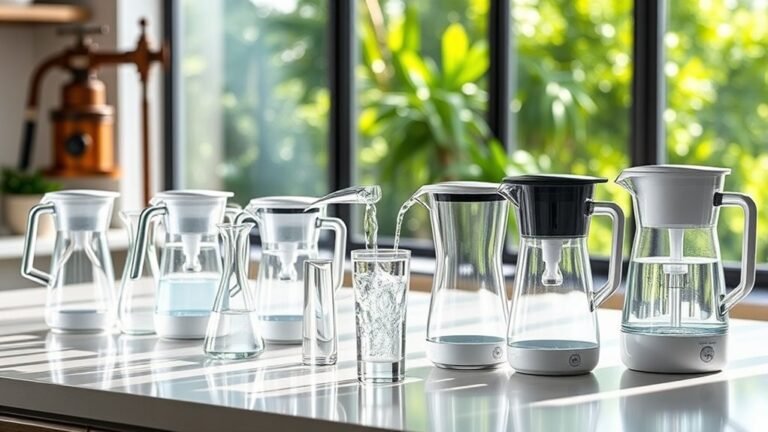
Best Water Filter Heavy Metals: Top Picks You Can’t Miss
Many people worry about the safety of their tap water, especially when it comes to harmful heavy metals like lead, mercury, and arsenic. Contaminated water can affect your health and peace of mind, making it essential to find a reliable solution.
The best water filter heavy metals options can help remove these dangerous substances, providing cleaner and safer drinking water. This type of water filter is designed for anyone concerned about contaminants in their water supply, whether at home or in an office. It offers benefits such as improved taste, odor reduction, and effective removal of toxic metals without complicated installation.
In this review, we will explore some of the best water filter heavy metals products available, discussing how they work, their features, and which might suit your needs best. By the end, you’ll have a clearer understanding of what to look for when choosing a heavy metal water filter.
Top Solutions for Cleaner, Safer Drinking Water with Advanced Contaminant Removal
| Image | Product | Price |
|---|
Top Picks for the Best Water Filters to Remove Heavy Metals: A Complete Buying Guide
Filter certifications and standards
Choosing a water filter designed to remove heavy metals involves paying close attention to certifications that confirm its effectiveness and reliability. Filters carrying NSF/ANSI certifications specific to heavy metal removal provide reassurance that they have undergone rigorous third-party testing and verification processes, which assess their performance under controlled conditions. This independent validation helps avoid products that may make unsupported claims about their contaminant removal capabilities.
Additionally, a good water filter should offer a reasonable lifespan and feature replacement indicators so you can maintain peak filtration performance without guesswork. Monitoring when to change the filter not only preserves water quality but also helps prolong the overall life of the system, making daily use more convenient and dependable.
Selecting a product that balances these attributes ensures safe drinking water free from harmful metals, supporting both health and peace of mind over time.
Installation and maintenance considerations
Choosing the best water filter for heavy metals often involves balancing effective purification with practical considerations around installation and upkeep. Many models are designed to fit standard plumbing setups, making them relatively simple to install without needing advanced tools or professional help, which is a relief when aiming for a hassle-free experience. It’s also worthwhile to think about how often the filters need replacement, as this affects both ongoing costs and convenience.
It’s also worthwhile to think about how often the filters need replacement, as this affects both ongoing costs and convenience. Filters with a longer lifespan can reduce the frequency of changes, but they may come at a higher initial price. Maintenance tends to be straightforward for most household water filters, with user-friendly designs that allow for easy access to parts requiring attention.
Staying attentive to manufacturer guidelines makes it manageable to maintain the filter’s efficiency and prolong its service life, ensuring clean, safe water without excessive time or effort spent on upkeep.
Filter capacity and flow rate
Choosing the right water filter involves paying attention to how long the filter will last and how much water it can clean before needing replacement. Filters with a higher capacity measured in gallons tend to require less frequent changes, making them more convenient and cost-effective over time.
A slower flow may indicate more thorough filtration but can be less practical for filling large containers quickly. Conversely, a faster flow rate enhances usability by reducing wait times but might compromise the thoroughness of purification if not designed well.
Striking a balance between effective filtration performance and meeting your household’s water consumption needs ensures that the filter performs efficiently without causing frustration due to slow water delivery. Paying attention to these aspects allows you to select a system that fits your lifestyle comfortably while providing clean and safe drinking water consistently.
Understanding heavy metals in water
Choosing a water filter that effectively reduces contaminants requires paying attention to specific features, especially when dealing with unwanted metals commonly found in many water sources. Metals like lead, mercury, arsenic, and cadmium can sneak into tap water through aging pipes, industrial runoff, or natural deposits, posing significant health risks ranging from nervous system damage to kidney issues and developmental problems in children.
Filters that use activated carbon combined with reverse osmosis or specialized adsorption media tend to perform well in blocking these harmful elements while retaining essential minerals. For everyday use, selecting a system with certifications from recognized bodies assures that the filter has undergone rigorous testing for metal removal efficiency. Another practical consideration is the filter’s lifespan and maintenance requirements, as some need regular cartridge replacements to keep working optimally without adding extra costs.
Whether you are sourcing water from a municipal supply, well, or other natural sources, prioritizing a reliable filtration solution can make a real difference in safeguarding your health by minimizing exposure to these hazardous substances.
Types of water filters effective against heavy metals
Choosing a filter that effectively removes heavy metals from water involves understanding how different filtration methods work. Activated carbon filters excel at improving taste and reducing chlorine, but when it comes to heavy metals like lead or mercury, their performance might be limited unless combined with other technologies. Reverse osmosis systems stand out for their ability to strip out a wide range of contaminants, including most heavy metals, by pushing water through a semipermeable membrane; they work well in home setups where water purity is a priority, though they may require more maintenance and water wastage considerations.
Ion exchange filters operate by swapping harmful metal ions with less problematic ones, which makes them effective in treating hard water or metal-heavy supplies while typically offering a more affordable and low-maintenance solution. Distillation units mimic natural water purification by boiling water and condensing the steam, effectively eliminating heavy metals and many other impurities, yet they tend to consume more energy and can be slower, which might affect daily use.
Deciding which option fits best depends on factors like your water source, budget, and how much effort you want to put into upkeep, with a combination of technologies sometimes providing the best balance of safety and convenience.
Additional features and cost factors
Choosing a water filter designed to effectively remove heavy metals involves paying close attention to a few key features that influence both performance and convenience. Many reliable models offer multicontaminant filtration capabilities, meaning they not only target heavy metals such as lead and mercury but also address chlorine, sediment, and sometimes even bacteria, delivering cleaner and safer water. Depending on where and how you plan to use the filter, portability and size options can play a significant role; compact filters that fit under the sink or countertop tend to be ideal for home use, while smaller, portable units work well for travel or outdoor activities without compromising filtration strength.
Depending on where and how you plan to use the filter, portability and size options can play a significant role; compact filters that fit under the sink or countertop tend to be ideal for home use, while smaller, portable units work well for travel or outdoor activities without compromising filtration strength. The price range varies widely but generally reflects the filtration technology and build quality, with longer warranties often signaling durable construction and manufacturer confidence. When selecting a filter, balancing these factors alongside user reviews can lead to a choice that meets both budget and household needs without sacrificing crucial water purification effectiveness.
FAQ’s
Which Heavy Metals Are Commonly Removed By Household Water Filters?
Household water filters commonly remove heavy metals such as lead, mercury, and cadmium. These filters often use activated carbon or reverse osmosis technology to effectively reduce these contaminants.
What Are The Best Water Filters For Removing Heavy Metals?
The best water filters for removing heavy metals are those with activated carbon and reverse osmosis technology, as they effectively reduce contaminants like lead, mercury, and arsenic. Brands such as Berkey, APEC, and Aquasana are well-regarded for their advanced filtration systems targeting heavy metals.
What Maintenance Is Required To Keep A Heavy Metal Water Filter Working Efficiently?
To keep a heavy metal water filter working efficiently, regularly clean or replace the filter media as recommended by the manufacturer to prevent clogging and contamination. Additionally, periodically flush the system to remove accumulated sediments and ensure proper water flow.
Are There Specific Certifications To Look For In Water Filters Targeting Heavy Metals?
Yes, look for water filters certified by NSF/ANSI Standard 53, which specifically tests for the reduction of heavy metals like lead and mercury. Additionally, certifications from organizations such as the Water Quality Association (WQA) can also indicate effectiveness against heavy metals.
How Do Water Filters Effectively Eliminate Heavy Metals From Drinking Water?
Water filters eliminate heavy metals from drinking water by using materials like activated carbon, ion exchange resins, or specialized membranes that trap and remove metal ions. These filters adsorb or exchange heavy metal contaminants, preventing them from passing through and contaminating the purified water.
Conclusion
Choosing the best water filter heavy metals involves balancing effectiveness, cost, and maintenance requirements. These filters excel at reducing harmful contaminants like lead, mercury, and arsenic, providing safer drinking water for households concerned about pollution or aging plumbing. However, some models may require regular cartridge replacements and can be pricier upfront compared to basic filters.
However, some models may require regular cartridge replacements and can be pricier upfront compared to basic filters. This option is particularly suited for families, health-conscious individuals, or those living in areas with known heavy metal contamination. Addressing concerns about longevity and ease of installation can help buyers select a system that fits their lifestyle.
Overall, selecting a reliable water filter focused on heavy metal removal offers peace of mind and cleaner water without unnecessary complexity or expense.