Best Water Filter Materials That Will Blow Your Mind
Like many people, you want clean and safe drinking water but may be unsure which water filter materials work best to remove contaminants effectively. Choosing the right water filter means understanding the different types of filter media and how they impact water quality.
This is where learning about the best water filter materials can help guide your decision. Water filters come in many varieties, each designed for specific needs, from improving taste to reducing harmful chemicals. Whether you want to protect your family’s health or improve the flavor of your tap water, knowing which materials perform well can save you time and money.
This review will explore popular water filter materials, highlighting their benefits, limitations, and ideal uses. By the end, you’ll have a clearer idea of what to look for when selecting a water filter that suits your home and lifestyle.
Discover the Top Components That Guarantee Pure and Refreshing Water Every Time
| Image | Product | Price |
|---|---|---|
Pick 1 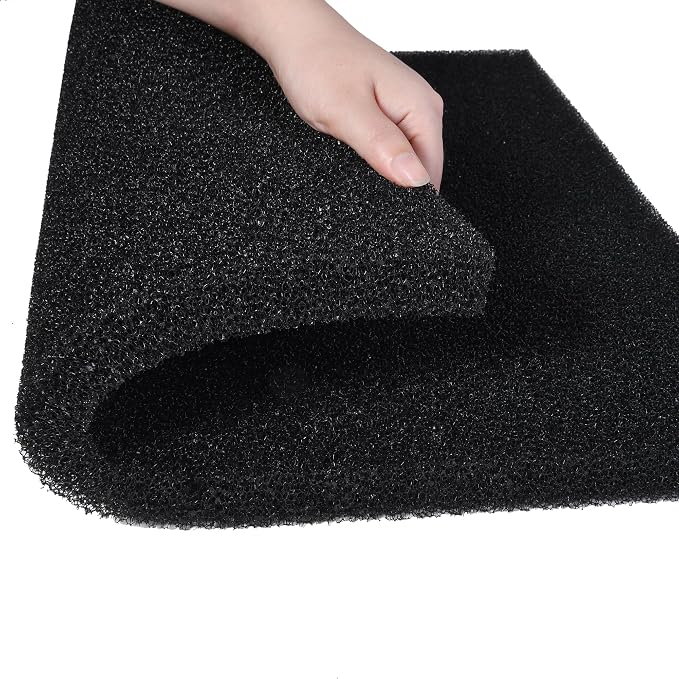 | Aquarium Sponge Filter Pad, Bio Filter Media Foam Sponges | | Check Price On Amazon |
Pick 2  | Borlech 8-Layer Fast-Acting Aquarium Filter Pad – Cut-to-Size Aquarium Floss | Check Price On Amazon |
1. Aquarium Sponge Filter Pad, Bio Filter Media Foam Sponges |
Maintaining a vibrant and healthy aquarium starts with clear, clean water. The Aquarium Sponge Filter Pad delivers effective filtration that keeps aquatic life thriving by capturing waste and debris efficiently. Its carefully designed structure promotes a balanced environment vital for every fish tank.
Crafted from premium sponge material, this filter pad offers impressive durability and lasting performance. Whether for beginners or seasoned aquarists, it simplifies water maintenance with reliability and ease, enhancing any filtration system effortlessly.
This sponge filter pad is engineered for high-density mechanical filtration. Its unique pore structure quickly traps dirt, floating particles, and waste to maintain crystal-clear water in your aquarium.
The 20x20x1 inch size with 20PPI offers just the right density for effective cleaning without restricting water flow.
Durability is a standout feature as the sponge resists deformation and breakdown. It retains its shape and filtration capability over extended use, providing consistent performance. This ensures your aquatic environment remains stable for healthier fish and plants.
Installation is straightforward since the pad can be cut to fit various filter shapes and sizes. This adaptability suits numerous filtration setups, allowing customized placement without hassle.
Plus, its reusable nature means you can clean and restore it multiple times, maximizing value while reducing waste.
Compared to other filter media, this sponge pad balances efficiency and affordability without compromising quality. It is ideal for aquarists seeking a practical, cost-effective way to enhance their filter system and keep aquarium water pristine.
Pros
- High-density structure effectively removes suspended particles
- Durable material resists deformation and decomposition
- Easy to cut and customize for various filter sizes
- Reusable and easy to clean, extending lifespan
Cons
- Single thickness may not suit all advanced filtration needs
Overall, the Aquarium Sponge Filter Pad stands out as a reliable and adaptable filtration media. Its sturdy construction and efficient particle capture make it a valuable addition for maintaining water clarity and aquatic health. For those seeking long-lasting, reusable filter material, this option is an excellent choice.
| Specification | Details |
|---|---|
| Material | High-quality sponge foam |
| Size | 20 x 20 x 1 inch |
| PPI (Pores Per Inch) | 20 |
| Filtration Type | Mechanical filtration |
| Durability | Resistant to deformation and decomposition |
| Usability | Cuttable, reusable, easy to clean |
6. Borlech 8-Layer Fast-Acting Aquarium Filter Pad – Cut-to-Size Aquarium Floss
Maintaining clean and healthy water is key to supporting vibrant aquatic life. The Borlech 8-Layer Fast-Acting Aquarium Filter Pad provides a highly effective filtration system designed for aquariums of various sizes.
This filter pad is engineered with precision, layering a three-dimensional honeycomb mesh, fiber biochemical cotton, and nano-filter mesh for thorough filtration. Such a thoughtful design targets fish waste, leftover food, and tiny particles, keeping your tank pristine for longer periods.
The Borlech filter pad offers a combination of durability and performance through its use of premium materials. It withstands continuous water flow and repeated cleanings without losing shape or filtration effectiveness. This resilience means aquarium owners receive lasting filtration benefits over time.
Its excellent water permeability allows filtered water to flow smoothly, preserving oxygen levels and supporting aquatic life. Installation is simple—cut the pad to the desired size to fit various filter units, making it adaptable to numerous aquarium setups.
Cost-effectiveness is another highlight since the material is reusable after proper washing. Recurrent use reduces the need for constant replacements and consistently delivers clean water.
Pros
- Multi-layer design captures fine impurities for cleaner water
- Durable construction withstands continuous flow and cleaning
- Reusable material reduces replacement frequency and costs
Cons
- Requires manual cutting to fit different filter sizes
Offering a balance of advanced filtration and durable construction, the Borlech 8-Layer Filter Pad stands out among common filter materials. Its layered structure ensures efficient removal of impurities while maintaining water circulation. Suitable for various filter types, it provides aquarium owners with a reusable solution that promotes healthier aquatic environments.
| Specification | Details |
|---|---|
| Layers | 8-Layer Multi-Layer Filter |
| Materials | Honeycomb Mesh, Fiber Biochemical Cotton, Nano-Filter Mesh |
| Compatibility | Can be cut to fit various aquarium filters |
| Durability | Resists damage from water flow and cleaning |
| Reusability | Reusable after proper cleaning |
Top Water Filter Materials You Need to Know Before Buying
Durability and lifespan
Choosing the right materials for a water filter has a direct impact on how long it will last and how often you’ll need to perform maintenance. Filters made from high-quality substances tend to hold up better against wear and tear, reducing the frequency of replacements. When selecting a filter, pay attention to the material’s longevity because it influences both the effectiveness and the cost over time.
Some materials require more frequent cartridge changes due to quicker saturation, which means regular upkeep is necessary to maintain water purity. Opting for filters with durable components can minimize these interruptions and save effort down the line.
Maintenance usually involves simple cleaning or swapping out parts, but knowing the expected filter replacement frequency beforehand helps plan for timely interventions, avoiding any lapse in water quality. Assessing these factors based on your daily use will ensure the filter remains reliable and efficient as it ages.
Effectiveness against contaminants
Choosing the right water filter materials can greatly improve your drinking water quality by targeting various impurities effectively. Materials like activated carbon excel at removing chlorine and chemical residues, enhancing taste and odor by absorbing these contaminants.
For filtering heavy metals such as lead or mercury, filters incorporating technologies like ion exchange or certain types of ceramic are quite effective at trapping these harmful elements. When it comes to bacteria and virus elimination, look for materials designed to physically block or neutralize microorganisms, such as ultrafiltration membranes or silver-embedded ceramics, which offer an added layer of protection against microbial threats. Sediment and particulate filtration rely on layers of fine mesh or fibrous materials that catch dirt, rust, and other suspended solids, preventing them from reaching your glass.
Practical choices depend on the water source and specific impurities encountered, but combining materials that address multiple concerns usually yields the best results. Keeping an eye on certifications and understanding the lifespan and maintenance needs of filter components will help maintain optimal performance throughout their use.
Health and safety considerations
Choosing the right materials for water filters plays a significant role in maintaining clean and safe drinking water. Filters made from nontoxic and BPA-free materials are highly recommended because they avoid introducing harmful chemicals into the water, which can sometimes happen with lower-quality alternatives. Certification and testing standards provide an additional layer of confidence; selecting products that have been tested by recognized organizations assures that the materials meet strict safety and performance criteria.
Another aspect to keep in mind is the potential for bacterial growth in filters. Some materials can create an environment where bacteria may accumulate over time, which can compromise water quality.
Opting for filter materials designed to minimize this risk not only extends the lifespan of the filter but also supports ongoing health and safety. These considerations combine to help make a choice that suits everyday use while prioritizing the well-being of those relying on these systems for clean water.
Compatibility with water sources
Choosing the right filtering materials plays a significant role when selecting a water filter, especially since different water sources often demand specific treatment methods. For instance, tap water generally contains chlorine and common contaminants that activated carbon excels at removing, while well water might carry sediments or higher mineral content, requiring filters with robust sediment removal and possibly ion exchange capabilities. Water hardness and pH levels influence how effective certain filter media can be; filters designed with ion exchange resins help soften hard water by reducing calcium and magnesium, whereas pH imbalances sometimes call for additional alkaline or acidic filtration stages.
Water hardness and pH levels influence how effective certain filter media can be; filters designed with ion exchange resins help soften hard water by reducing calcium and magnesium, whereas pH imbalances sometimes call for additional alkaline or acidic filtration stages. Additionally, it’s worth paying attention to the flow rate and pressure compatibility of the filter to ensure the system operates efficiently without reducing water output or causing strain on plumbing fixtures. Matching the filter’s recommended flow rate to your household’s water pressure maintains consistent performance and prolongs filter life.
Overall, understanding the source and characteristics of your water combined with the right filter materials will help achieve clearer, safer drinking water with minimal maintenance.
Types of water filter materials
When selecting a water filter, understanding the different materials used can greatly impact both the effectiveness and the suitability for your specific needs. Activated carbon is excellent for removing chlorine, unpleasant odors, and some organic compounds, making it a great choice if taste and odor improvement are priorities.
Ceramic filters offer fine filtration by trapping bacteria and sediment due to their tiny pores, which makes them suitable for those looking to improve microbial safety in drinking water. Reverse osmosis membranes provide a thorough purification process by removing a wide range of contaminants, including heavy metals and dissolved solids, ideal for households needing high purity levels. Ion exchange resin works by softening hard water and reducing heavy metals, which can be beneficial if your water supply is mineral-heavy or causes scaling in appliances.
UV light filters use ultraviolet light to inactivate bacteria and viruses, offering a chemical-free method to ensure microbiological safety, perfect for well water or situations where pathogen contamination is a concern. Understanding how these materials function helps in choosing a filter that matches water quality, budget, and health priorities, ensuring that the water you consume is not only cleaner but also safer and more pleasant to drink.
Cost and installation factors
When choosing water filter materials, understanding how initial investment compares with long-term costs offers valuable perspective. Some options might require a higher upfront purchase but tend to last longer or perform better, reducing how often filters need replacement.
Conversely, more affordable materials could mean frequent changes that add up over time. Ease of installation also plays a significant role; filters designed for simple setup often come with clear instructions and minimal need for special tools, making them accessible for both newcomers and those less handy. Access to replacement parts and filters should not be overlooked, as readily available components ensure that maintaining your system remains straightforward without delays or extra expenses.
Prioritizing materials backed by a strong supply of compatible parts guarantees smooth upkeep and extends the filter’s lifespan, ultimately enhancing overall satisfaction with the water filtration solution.
FAQ’s
How Do Activated Carbon And Ceramic Filters Compare In Water Purification?
Activated carbon filters excel at removing chlorine, organic compounds, and odors through adsorption, while ceramic filters primarily remove bacteria and sediment by physical filtration. Combining both can provide more comprehensive water purification by addressing a wider range of contaminants.
What Materials Are Recommended For Filtering Heavy Metals And Harmful Chemicals From Water?
Activated carbon, ion exchange resins, and reverse osmosis membranes are commonly recommended materials for filtering heavy metals and harmful chemicals from water. These materials effectively remove contaminants by adsorption, ion exchange, and physical filtration processes.
Are There Eco-Friendly And Sustainable Materials Used In Water Filtration Systems?
Yes, eco-friendly and sustainable materials such as activated carbon from coconut shells, ceramic filters, and biodegradable polymers are increasingly used in water filtration systems to reduce environmental impact. These materials not only provide effective purification but also promote sustainability by being renewable and reducing waste.
Which Water Filter Materials Are Best For Improving Taste And Odor?
Activated carbon and charcoal filters are best for improving taste and odor in water, as they effectively remove chlorine, chemicals, and organic compounds. These materials absorb impurities that cause unpleasant flavors and smells, resulting in cleaner, better-tasting water.
What Are The Most Effective Materials Used In Water Filters For Removing Contaminants?
Activated carbon and ceramic are among the most effective materials used in water filters for removing contaminants, as activated carbon adsorbs chemicals and odors while ceramic filters block bacteria and sediments. Additionally, materials like reverse osmosis membranes and ion exchange resins are highly efficient in eliminating dissolved solids and heavy metals.
Conclusion
Choosing water filter materials involves balancing effectiveness, durability, and cost. Common options like activated carbon excel at removing chlorine and odors, while ceramic filters offer reliable bacteria removal but may require more frequent maintenance. Synthetic fibers provide strong filtration for sediments but might not tackle chemical contaminants as effectively.
Synthetic fibers provide strong filtration for sediments but might not tackle chemical contaminants as effectively. The best water filter materials depend largely on your water quality and specific needs—such as whether you prioritize taste improvement, contaminant removal, or longevity. While some filters can address multiple concerns, no single material is perfect for every situation.
Carefully evaluating these factors can help determine the most suitable choice. Ultimately, understanding the strengths and limitations of the best water filter materials will guide a practical decision that enhances water safety without unnecessary expense.