How Can You Swim Safely With Hair Extensions?
To swim safely with hair extensions, it’s important to take specific precautions to protect them from damage. Start by wetting and conditioning your extensions before swimming to reduce chemical absorption from pool water or saltwater. This step helps maintain their softness and prevents them from becoming dry and brittle.
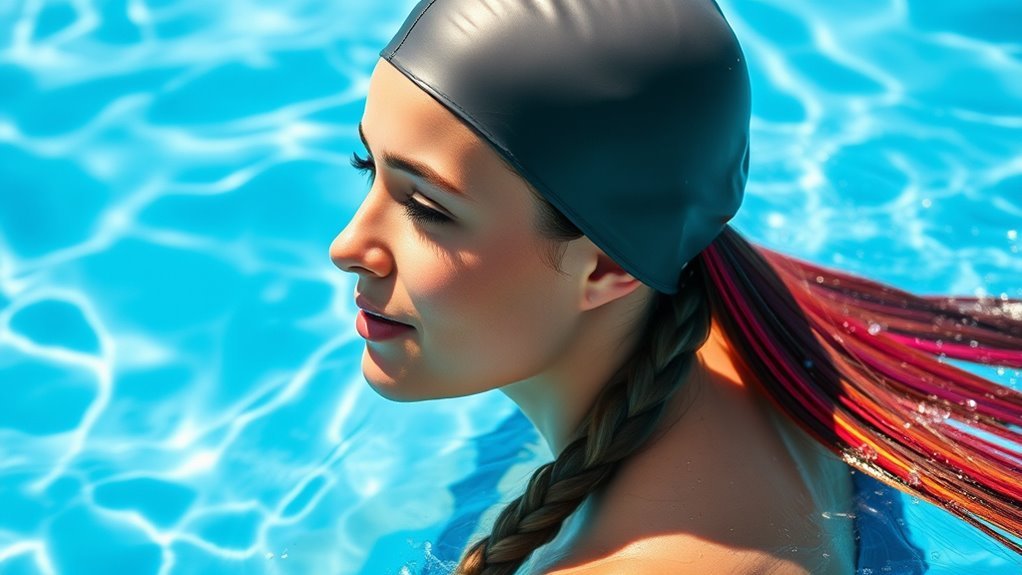
Next, secure your hair in tight braids or a low bun to minimize tangling while you swim. Wearing a snug silicone swim cap adds an extra layer of protection by keeping water away from your extensions. These combined methods help maintain the integrity and appearance of your hair extensions during water activities.
After swimming, rinse your hair thoroughly with fresh water to remove chlorine or salt residues. Use a gentle shampoo followed by a moisturizing conditioner to keep the extensions soft and healthy. By following these steps consistently, you’ll keep your hair extensions looking great and extend their lifespan, even with regular swimming.
Preparing Your Hair Extensions Before Swimming

Before you plunge into the pool, make sure to thoroughly wet your hair extensions with clean water. This helps reduce the amount of chlorinated or salty water your extensions absorb, minimizing damage.
Wet your hair extensions with clean water before swimming to minimize chlorine and salt damage.
Next, apply a leave-in conditioner or a protective hair serum to create a barrier against harsh chemicals. Avoid heavy oils or products that can weigh your extensions down.
Detangle your hair gently using a wide-tooth comb to prevent knots that can worsen once wet.
Secure your hair in a loose braid or ponytail to limit tangling but avoid styles that pull tightly on the extensions.
Taking these steps ensures your extensions stay hydrated and protected, allowing you to enjoy swimming without worrying about dryness or breakage.
Protective Hairstyles for Swimming
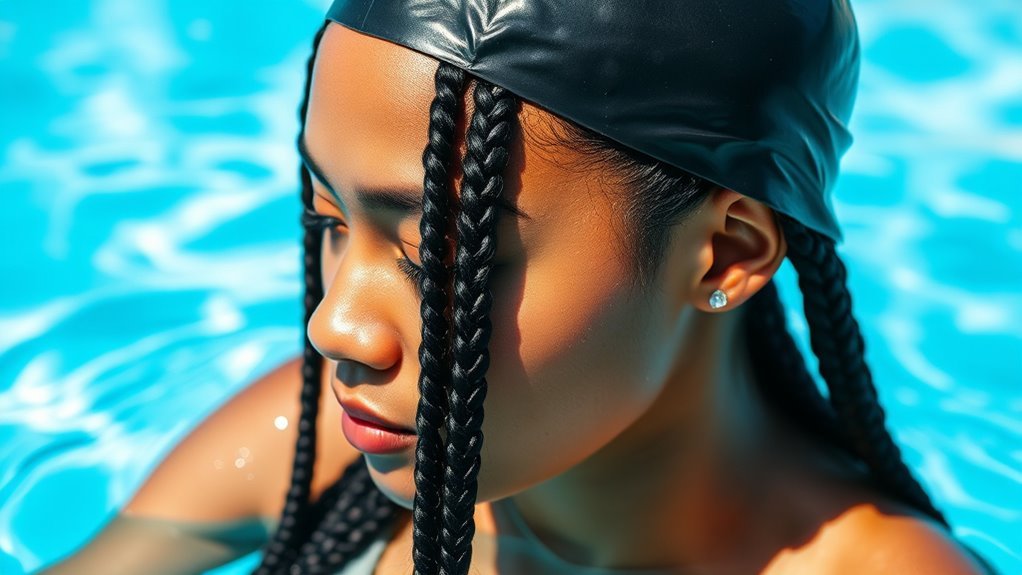
When you swim with hair extensions, choosing the right protective hairstyle can make all the difference in preventing tangles and damage. Start by braiding your hair tightly; a classic three-strand braid or multiple smaller braids work well to keep extensions secure and minimize friction.
You can also twist your hair into a low bun or a French braid, which reduces exposure to water and prevents strands from floating freely. Avoid loose hairstyles that allow hair to move around and snag.
Make sure to secure your style with soft, snag-free hair ties to prevent breakage.
Protective hairstyles not only shield your extensions but also make post-swim detangling easier, saving you time and preserving the longevity of your extensions.
Choosing the Right Swim Cap or Cover
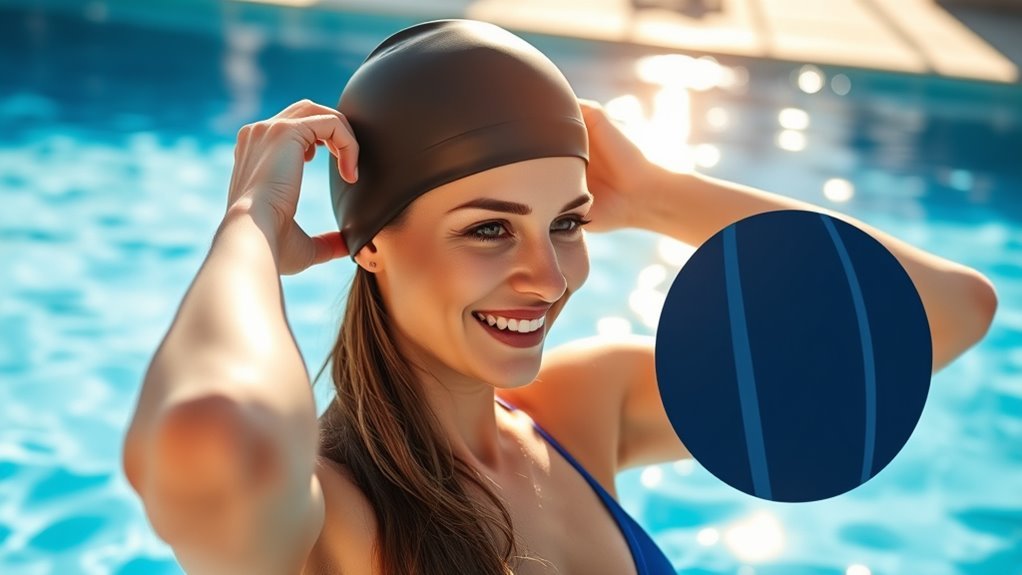
Although swim caps might seem like a simple accessory, choosing the right one is essential for protecting your hair extensions from chlorine and saltwater damage. You’ll want a cap made from silicone or latex, as these materials create a tight barrier that keeps water out better than fabric options.
Silicone caps are especially gentle on extensions, preventing unnecessary pulling or snagging. Make sure the cap fits snugly without being uncomfortably tight, as a well-fitted cap stays in place while you swim.
If you have long or thick extensions, look for a larger or extra-large cap to accommodate your hair without compressing it too much.
You can also layer a swim cap over a protective hairstyle or use a waterproof hair wrap underneath for extra defense.
Rinsing and Washing After Swimming
Since chlorine and saltwater can quickly dry out your hair extensions, you’ll want to rinse them thoroughly as soon as you get out of the pool or ocean. Use cool, fresh water to flush out any chemicals or salt that might cause damage or tangling.
After rinsing, gently wash your extensions with a sulfate-free, moisturizing shampoo to avoid stripping natural oils. Avoid scrubbing aggressively; instead, use your fingertips to cleanse.
Finally, rinse again with cool water to seal the cuticles and reduce frizz.
| Step | What to Use | Why It’s Important |
|---|---|---|
| Rinse | Cool, fresh water | Removes chlorine and salt |
| Shampoo | Sulfate-free shampoo | Cleans without drying |
| Massage | Fingertips | Prevents tangling |
| Final Rinse | Cool water | Seals hair cuticles |
| Dry | Towel (pat dry) | Minimizes breakage |
Moisturizing and Maintaining Hair Extensions Post-Swim
To keep your hair extensions looking fresh and healthy after swimming, you’ll want to lock in moisture quickly. Saltwater and chlorine can strip natural oils, leaving your extensions dry and brittle. Right after rinsing, apply a hydrating leave-in conditioner or oil to restore moisture and protect the strands. Focus on the ends, which are most vulnerable to damage.
Here are three key steps to maintain your extensions post-swim:
- Use a lightweight, sulfate-free conditioner to avoid buildup and maintain softness.
- Detangle gently with a wide-tooth comb to prevent pulling or shedding.
- Deep condition once a week to replenish lost nutrients and enhance shine.
Frequently Asked Questions
Can Chlorine Damage Certain Types of Hair Extensions?
Yes, chlorine can damage certain types of hair extensions, especially human hair and some synthetic ones. You’ll want to protect them by wetting your hair first, using a swim cap, and rinsing thoroughly afterward.
How Often Can I Swim Without Harming My Extensions?
Don’t push your luck; swimming once or twice a week is usually safe if you rinse and condition your extensions afterward.
Overdoing it can cause damage, so take good care to keep them looking fresh and healthy.
Are There Specific Hair Extension Brands Better for Swimmers?
Yes, some brands like Great Lengths and Bellami offer extensions designed for active lifestyles. You’ll want ones made from high-quality, durable human hair that resist chlorine and saltwater damage better than synthetic options.
Can Saltwater Affect the Adhesive Used in Extensions?
About 70% of extension wearers notice adhesive weakening from saltwater. Yes, saltwater can break down your extension adhesive, so rinse thoroughly after swimming and consider waterproof protective sprays to keep your extensions secure and lasting longer.
Is It Safe to Use Hair Dye on Extensions After Swimming?
It’s best to wait before dyeing your extensions after swimming since chlorine and saltwater can weaken the hair and adhesive. Rinse thoroughly, condition well, and consult your stylist to avoid damage and uneven color results.
Conclusion
Swimming with hair extensions doesn’t have to be a challenge if you take the right steps. Picture your hair as a delicate garden—without protection, salt and chlorine are like harsh winds that can damage your blooms.
By prepping your extensions, choosing protective styles, wearing a snug swim cap, and rinsing thoroughly afterward, you’re shielding your garden from harm. Keep your hair moisturized and cared for.
With these simple tips, your hair extensions will stay vibrant and beautiful, swim after swim. Swimming safely with hair extensions is all about proper care and protection.