Top Foods You Must Eat Before a Swim Meet!
Achieving optimal athletic performance involves understanding the intricate balance of nutrition, energy systems, and timing. For competitive swimmers, the selection of the best food to eat before a swim meet can play a critical role in maximizing glucose availability, promoting optimal glycogen storage, and ensuring efficient muscle repair. The digestive rate of various macronutrients and the glycemic index of consumed foods can significantly impact the swimmer’s endurance and speed in the water.
The digestive rate of various macronutrients and the glycemic index of consumed foods can significantly impact the swimmer’s endurance and speed in the water. Nutritional strategy is crucial in avoiding gastrointestinal discomfort, maintaining hydration, and delivering sustained energy during high-intensity events. Understanding the biochemical interplay of pre-race nutrition will provide swimmers with the competitive edge needed to outpace their rivals.
Discover the nuanced strategies behind selecting the best pre-race foods in the full article.
Energize Your Performance: Essential Pre-Swim Nutrition
| Image | Product | Price |
|---|---|---|
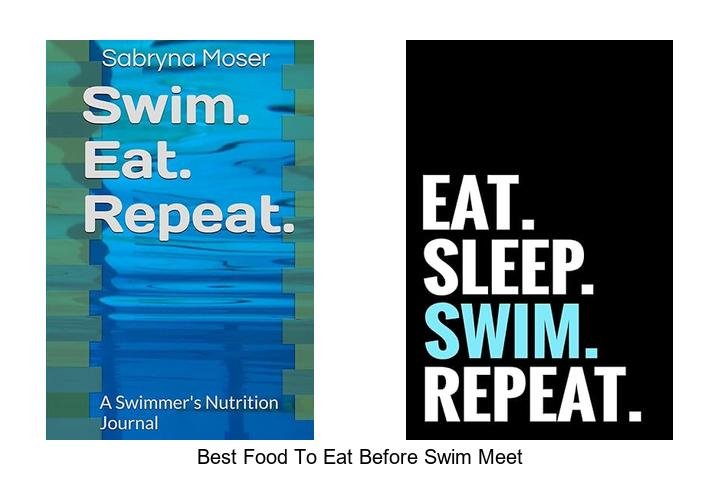
Pick 1  | Swim. Eat. Repeat.: A Swimmer’s Nutrition Journal | Check Price On Amazon |
Pick 2  | Eat. Sleep. Swim. Repeat.: Swimming Log Book | Keep Track | Check Price On Amazon |
1. Swim. Eat. Repeat.: A Swimmer’s Nutrition Journal
Enhance your swimming performance with Swim. Eat.
: A Swimmer’s Nutrition Journal! Elevate your dietary habits and discover the best food to eat before a swim meet.
Tailored to streamline nutrition for swimmers, this journal provides a pathway to peak physical performance and energy optimization.
Designed with athletes in mind, this user-friendly journal helps track meals and devise personalized nutrition strategies. Comprehensive pages focus on pre-meet meal planning, refueling tips, and smart eating choices. All swimmers, from novices to experts, can boost their energy levels efficiently and perform at their best.
All swimmers, from novices to experts, can boost their energy levels efficiently and perform at their best.
Pros
- Customized nutrition plans for swimmers.
- Easy-to-follow structure with practical tips.
- Supports enhanced performance and recovery.
Cons
- Limited availability in digital format.
For only $29, Swim. Eat.
Repeat. empowers swimmers to make informed nutrition choices and stay ahead of the competition. Unlike conventional food journals, it uniquely addresses swimming-specific dietary needs, setting it apart as a must-have tool for any athlete striving for excellence.
2. Eat. Sleep. Swim. Repeat.: Swimming Log Book | Keep Track
Dive into the ultimate pre-swim meet ritual with the Eat. Sleep. Swim.
Swim. Repeat. logbook.
This tool is ideal for competitive swimmers aiming to enhance performance through meticulous tracking. At an affordable price of $7, this logbook provides the structure needed to make every swim meet successful.
With a sleek design, this swimming log book allows swimmers to diligently record their progress. It features sections for tracking swim times, strategies, and daily goals, crafted to suit the needs of athletes intent on achieving peak performance.
Pros
- Encourages systematic tracking of swim progress.
- Compact and stylish design for easy portability.
- Enhances strategic planning for swim meets.
Cons
- Lacks digital integration for tech-savvy users.
For those in pursuit of the best food to eat before a swim meet, pairing this logbook with a nutritious pre-race meal ensures peak performance. While tech solutions abound, this tangible logbook remains unparalleled in fostering swimmer accountability and reflection with pen and paper.
Fuel Up for Victory: The Ultimate Guide to Pre-Swim Meet Nutrition
Key ingredients to consider
Evaluating how a meal integrates with a swimmer’s nutritional plan can greatly enhance performance and overall well-being. Foods that adapt well by incorporating whole grains can provide sustained energy through long-lasting carbohydrate release, which is crucial during rigorous swim meets. Lean proteins play a vital role in muscle recovery, ensuring that swimmers maintain their strength and agility following intense workouts.
Lean proteins play a vital role in muscle recovery, ensuring that swimmers maintain their strength and agility following intense workouts. Additionally, incorporating healthy fats helps in maintaining satiety, preventing hunger pangs that could distract from optimal focus and performance. Understanding how different food components work together can significantly benefit athletes by allowing for a comprehensive nutritional strategy that maximizes their potential in competitive environments.
Balancing nutrition and taste
Finding foods that seamlessly integrate into existing meal plans can significantly enhance their effectiveness, ensuring that athletes are both satisfied and adequately fueled. It’s not just about getting the right nutrition, but also ensuring that these meals complement other elements of an athlete’s regimen, such as hydration routines and training schedules. Opting for meals that balance flavor with health benefits can help maintain dietary consistency without sacrificing enjoyment or performance.
Opting for meals that balance flavor with health benefits can help maintain dietary consistency without sacrificing enjoyment or performance. This adaptability allows athletes to indulge in flavorful recipes that do not compromise on nutritional quality, making them more likely to stick with their dietary plan. Popular pre-swim foods among athletes often boast this ideal balance, providing both quick energy and sustained endurance.
Understanding how these foods fit into broader nutritional strategies can lead to improved performance and overall satisfaction.
Timing your preswim meal
Evaluating how a meal fits into an athlete’s dietary routine significantly enhances its effectiveness and usability. Understanding how the chosen food pairs with other nutritional elements is crucial to optimizing the performance benefits. By ensuring that a pre-swim meal complements existing nutritional habits, athletes can achieve better energy management and physical performance.
By ensuring that a pre-swim meal complements existing nutritional habits, athletes can achieve better energy management and physical performance. Timing is also key—consuming the right types of foods at optimal intervals can make a substantial difference. A full meal might require several hours to digest and provide energy, whereas a quick snack could offer more immediate benefits if consumed closer to the event.
Adapting your diet to include foods that align well with your body’s needs contributes to sustained energy, improved concentration, and peak physical output. Evaluating the adaptability of your pre-swim nutrition strategy is essential for synchronizing energy release and maximizing performance during a swim meet.
Understanding nutritional needs before a swim meet
Evaluating how well a given food adapts or integrates with other nutritional needs before a swim meet can significantly enhance an athlete’s performance. This integration is vital as it ensures that the dietary choice complements and maximizes the benefits of other nutritional elements, like carbohydrates, proteins, and hydration, which are essential for high-energy activities such as swimming.
Moreover, maintaining proper hydration supports overall body function and endurance during a meet. Ensuring that the food fits seamlessly with other nutrition strategies allows athletes to fully harness the synergistic effects of a well-balanced diet, directly influencing their competitive edge.
Considering dietary restrictions
Understanding how best food to eat before swim meet seamlessly integrates with dietary needs and preferences significantly enhances its value and usability. For instance, for athletes following gluten-free diets, ensuring that pre-swim snacks like energy bars or meal replacements do not contain gluten can prevent discomfort and optimize performance.
Allergy-friendly food choices are another crucial factor; selecting products free from common allergens like nuts or dairy ensures safety and peace of mind. By prioritizing these aspects, athletes can fully enjoy their meals, knowing they support their health, performance, and personal dietary needs.
Top recommended food brands and products
Evaluating how the foods consumed before a swim meet interact with other dietary elements can significantly enhance an athlete’s performance. Foods that integrate well with other nutritional components help in optimizing energy levels, which is crucial for swimmers. For instance, energy bars should be assessed for their ability to complement protein shakes, as the right combination can provide a balanced release of energy and aid in muscle recovery.
Hydration drinks, an essential component, must also be compatible with pre-meet meals to ensure that electrolytes are replenished effectively, allowing the body to maintain optimal performance levels. By understanding how these elements work together, swimmers can make informed choices, ultimately boosting their efficiency and stamina in the pool.
This harmonious nutritional synergy supports overall health while ensuring that each component works in conjunction to maximize benefits, reflecting the importance of holistic integration.
FAQ’s
What Should I Avoid Eating Before A Swim Meet To Maintain Peak Performance?
Before a swim meet, avoid heavy, greasy, or high-fiber foods as they can cause digestive discomfort. Additionally, limit sugary snacks and caffeine, which can lead to energy crashes or dehydration.
What Are The Best Foods To Eat The Night Before A Swim Meet For Optimal Energy?
The best foods to eat the night before a swim meet are complex carbohydrates like whole grains, pasta, and sweet potatoes, which provide sustained energy. Pair these with lean proteins such as chicken or fish and include some vegetables to ensure a balanced meal for optimal performance.
Are There Specific Foods Or Hydration Strategies That Help Reduce Pre-Swim Anxiety?
Consuming easily digestible carbohydrates like bananas or whole-grain toast a couple of hours before swimming can help maintain energy levels and reduce anxiety. Additionally, staying well-hydrated by drinking water or electrolyte-rich fluids can aid in reducing stress and ensuring optimal physical performance.
How Long Before A Swim Meet Should I Eat, And What Are The Best Pre-Swim Snacks?
You should eat about 1.5 to 3 hours before a swim meet to allow for proper digestion. Optimal pre-swim snacks include easily digestible foods like bananas, yogurt, oatmeal, or a small sandwich, focusing on carbohydrates for energy.
How Can I Balance Carbs, Proteins, And Fats In My Meals Leading Up To A Swim Meet?
To balance carbs, proteins, and fats leading up to a swim meet, focus on meals that are high in complex carbohydrates for sustained energy, moderate in lean proteins to support muscle repair, and include healthy fats for adequate calorie intake. Aim to have balanced portions of whole grains, lean meats, and healthy oils or nuts, and adjust according to your energy needs and personal preferences.
Conclusion
Summary: Preparing for a swim meet involves more than just physical training—it requires proper nutrition too. Consuming complex carbohydrates like whole grain pasta or oatmeal fuels energy, while lean proteins such as chicken or tofu aid in muscle recovery. Adding fruits and vegetables provides essential vitamins.
Staying hydrated is crucial, so drink plenty of water. Proper nutrition can enhance performance and endurance at your meet.