1 Best Swim Stroke for Weight Loss That Burns Major Calories
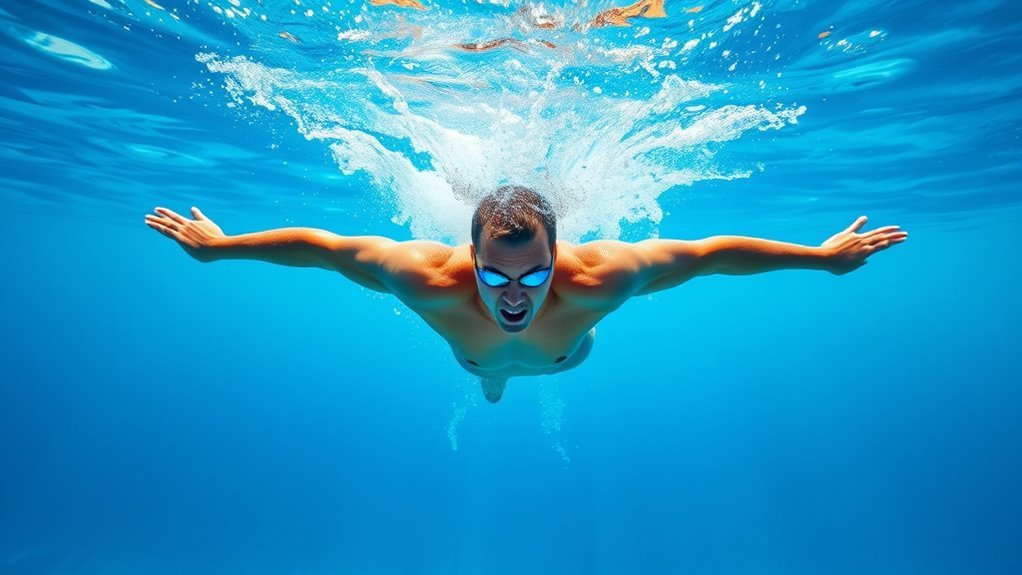
If you want the best swim stroke for weight loss that burns major calories, the butterfly stroke tops the list. It demands high energy and engages large muscle groups. This stroke can burn 700-900 calories per hour, making your workout intense and efficient.
While it requires good technique and endurance, mastering it boosts fat loss rapidly. You’ll also discover how different strokes impact your calorie burn, muscle use, and workout safety. This way, you can tailor your fitness plan perfectly to your needs.
Swimming is a fantastic way to shed pounds and improve overall health, so choosing the right stroke really matters.
| Image | Name | Editor's Rating | Price |
|---|---|---|---|

|
|
YOTTOY Foam Water Dumbbells for Aqua Fitness (2)
- High-Quality & Durable Water Weights:Made from premium high-density EVA foam, YOTTOY water dumbbells for pool...
- Ideal for Low-Impact Pool Workouts:Perfect for water aerobics, resistance training, and physical therapy...
- Ultra-Buoyant for Maximum Resistance:Designed to enhance pool workout sessions, these water weights dumbbells...
- Comfortable Grip & Ergonomic Design:Featuring soft, non-slip handles, these pool dumbbells for water exercise...
- Versatile & Portable Pool Workout Equipment:Take your water aerobics equipment anywhere! These water dumbbells...
Elevate your pool workouts with the YOTTOY Foam Water Dumbbells for Aqua Fitness (2), designed to enhance resistance training without straining your joints. These dumbbells use durable, chlorine-resistant EVA foam that retains shape and offers reliable resistance every time you exercise.
Their ultra-buoyant design focuses on strengthening your arms, shoulders, and core while minimizing impact on joints. The soft, non-slip handles provide a secure grip, ensuring comfort and control during every movement.
Maintenance is simple; just rinse with fresh water after use to preserve the foam’s durability and prevent wear. Lightweight and portable, these dumbbells adapt to all fitness levels and aquatic routines, making them easy to incorporate into your pool exercise sessions.
Ideal for those seeking a low-impact, joint-friendly way to tone muscles and improve endurance. While perfect for water workouts, they are not suitable for traditional weightlifting and may not meet the needs of advanced strength training.
Best for: Individuals looking for gentle, effective resistance training during aquatic exercise to support muscle toning and joint health.
What We Like:
- Durable, chlorine-resistant EVA foam maintains shape and resistance.
- Ultra-buoyant design targets key muscle groups without joint strain.
- Soft, non-slip handles offer a secure, comfortable grip.
Specification:
| Feature | Details |
|---|---|
| Manufacturer | YOTTOY |
| Material | EVA Foam |
| Weight | Lightweight (per dumbbell) |
| Color Options | Typically bright colors |
| Dimensions | Standard aqua dumbbell size |
Factors to Consider When Choosing Swim Strokes for Weight Loss
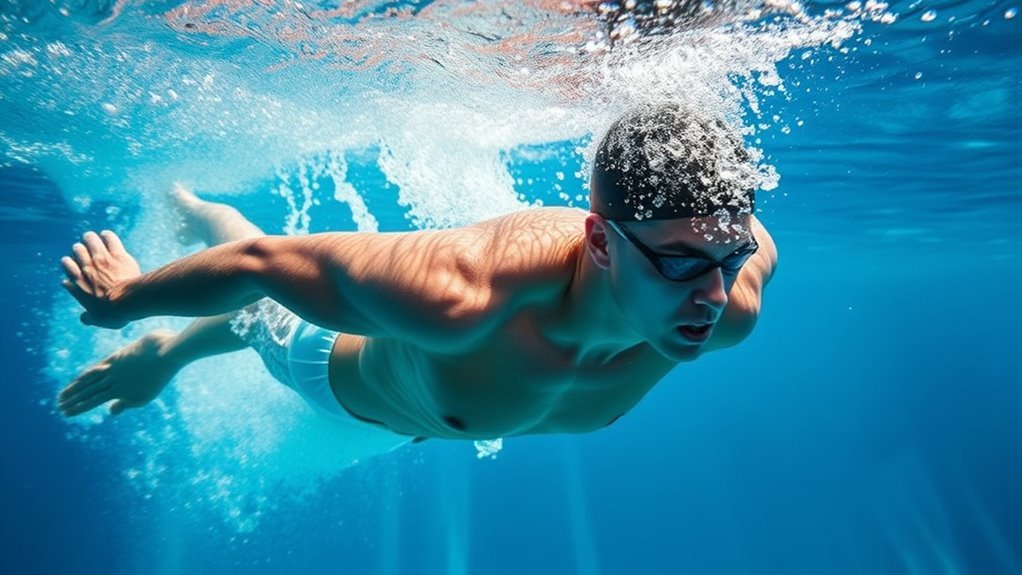
When choosing swim strokes for weight loss, you’ll want to contemplate how many calories you burn and how much muscle you engage. It’s important to control stroke intensity to match your fitness level while keeping joint impact low.
Also, think about which strokes help build your endurance for long-term results. That way, you can stick with your routine and see steady progress over time.
Calorie Burn Rate
How many calories you burn while swimming depends largely on the stroke you choose. Different strokes vary markedly in calorie burn, with more vigorous strokes torching more calories per minute.
For example, freestyle swimming burns between 400-700 calories per hour, depending on your speed and weight. The butterfly stroke demands even more energy, burning about 700-900 calories per hour, making it one of the most calorie-intensive strokes.
On the other hand, breaststroke burns fewer calories—around 400-500 per hour—but works well for steady, moderate workouts. Remember, your individual factors like weight, swimming speed, technique, and water resistance also impact how many calories you burn.
Muscle Engagement Level
Because different swim strokes target various muscle groups, your choice directly affects how intensely you work your body and how many calories you burn. Strokes like freestyle and butterfly engage large muscle groups, providing a more intense workout that boosts calorie burn.
In contrast, backstroke and breaststroke focus more on smaller muscles, which may result in a gentler workout. Mastering proper technique is vital—it maximizes muscle activation, helping you build strength and lose fat more effectively.
You can also increase muscle engagement by incorporating swim aids, such as foam water dumbbells, to add resistance. By choosing strokes that challenge major muscle groups and refining your form, you’ll make your swimming sessions more efficient for weight loss.
Stroke Intensity Control
Mastering stroke intensity lets you sustain cardiovascular effort, which plays a key role in burning calories and losing weight. By controlling how hard and fast you swim, you manage your workout’s effectiveness and duration.
Slow, deliberate strokes increase muscle engagement and resistance, boosting energy use without exhausting you quickly. Adjusting stroke speed and power prevents overexertion, helping maintain a consistent routine.
Different strokes naturally vary in vigor—freestyle and butterfly burn more calories, while backstroke and breaststroke are gentler. Keep an eye on your breathing and stroke tempo to maintain a steady intensity that maximizes fat burning without causing fatigue.
This balance is essential for long-term weight loss success through swimming. So, find your rhythm and stick with it!
Joint Impact Consideration
While swimming offers a low-impact way to burn calories, you still need to think about how different strokes affect your joints. Strokes like backstroke and water walking really help minimize joint stress, which is great if you have arthritis or joint injuries.
The buoyancy of water naturally reduces the load on your joints. So, choosing slower, controlled movements can keep strain low while still boosting your cardiovascular and muscular benefits.
You can also use flotation devices or water dumbbells to add resistance safely without extra impact. Just remember, practicing proper technique and gradually increasing intensity helps prevent overuse injuries.
Endurance Building Potential
When you focus on endurance building through swimming, you’ll boost your cardiovascular and muscular stamina, which plays a key role in weight loss.
Longer swim sessions with sustained effort improve your heart and lung capacity, helping you burn calories more efficiently over time.
Mixing strokes that target different muscle groups enhances overall stamina and muscular endurance, so your workouts stay balanced and effective.
By progressively increasing your swim intensity and distance, you’ll build both muscular and cardiovascular endurance, maximizing fat burn.
Plus, swimming’s low joint impact lets you maintain consistent, extended workouts without added stress.
This sustained activity level is essential for steady weight loss, making endurance-focused swim sessions a smart choice when picking the best stroke.
Technique Learning Curve
Since different swim strokes demand varying levels of technical skill and coordination, you’ll want to contemplate the learning curve before choosing one for weight loss. Freestyle and backstroke are generally easier to pick up, making them great starting points.
They require less technical finesse and let you focus on building endurance and burning calories quickly. Butterfly and individual medley, on the other hand, involve complex movements and require more time to master.
Remember, proper breathing techniques are key—getting them right early helps prevent fatigue and improves efficiency. If you commit to consistent practice and maybe some coaching, even tougher strokes become manageable.
Starting with foundational strokes boosts your confidence and sets a solid base, so you can gradually move to advanced techniques without feeling overwhelmed.
Equipment Compatibility Needs
Choosing swim strokes that match your water fitness equipment can enhance your weight loss efforts and keep you safe. First, verify the stroke you pick works well with your gear, like foam dumbbells or resistance gloves.
Check that your strokes align with the resistance levels and design of your equipment to boost effectiveness. Also, confirm your aquatic gear supports the specific movements involved to avoid damage or injury.
Using equipment meant for your water depth and environment helps maintain stability and performance. Finally, consider if your swim strokes need adjustable features in equipment so you can tailor resistance to your skill level and goals.
Matching strokes with compatible gear ensures a safer, more efficient calorie burn during your swim workouts.
Personal Fitness Goals
Although swim strokes differ in intensity and muscle engagement, aligning them with your personal fitness goals makes your weight loss efforts more effective. First, clarify whether you want to focus on fat loss, muscle toning, or endurance building.
For higher calorie burn, strokes like butterfly and freestyle are ideal, especially if weight loss is your primary goal. Decide if you prefer high-intensity interval training or steady-state cardio, as this will shape your stroke choice and workout structure.
Also, set specific targets for duration and intensity to sustain progress. Don’t forget to take into account your fitness level and any health concerns before choosing a stroke to ensure safety.
Tailoring your swim workouts to your goals keeps your training efficient and helps you shed pounds effectively. It’s all about making your swim sessions work for you!
Frequently Asked Questions
How Often Should I Swim to See Weight Loss Results?
You should swim at least 3 to 5 times a week, aiming for 30 to 60 minutes per session.
Consistency matters, so stick with it, and you’ll start seeing weight loss results within a few weeks.
Just keep at it, and the progress will come!
Can Swimming Help Reduce Belly Fat Specifically?
You can’t spot-reduce belly fat by swimming alone, but it’s a great way to burn calories and shed overall fat.
Stick with consistent workouts, and you’ll see your waistline shrink bit by bit.
Just keep at it, and over time, the results will show!
Is Swimming Better Than Running for Calorie Burning?
Swimming can burn calories effectively, but running generally burns more per minute.
However, swimming’s full-body workout is easier on your joints, so it’s a great option if you want calorie burn without impact stress.
What Is the Best Swim Stroke for Beginners?
You might expect freestyle to be easiest, but breaststroke’s slow, steady rhythm suits beginners better.
It lets you build confidence and control without overwhelming you, so you’ll enjoy swimming while mastering essential skills gradually.
How Long Should Each Swim Session Last for Weight Loss?
You should swim for about 30 to 60 minutes per session to maximize weight loss. Consistency matters, so aim for at least 3 to 5 times a week.
Try mixing up the intensity to keep your body challenged. This way, you’ll avoid plateaus and keep making progress.
Conclusion
So, you want to lose weight by swimming, but you’re also worried about mastering complicated strokes or lugging around fancy gear. Ironically, the best swim stroke for burning major calories is the one that keeps you moving consistently without turning you into a confused, exhausted mess.
Just pick a stroke that feels natural, plunge in, and let the water do the heavy lifting. Because sometimes, simplicity burns the most calories.
When it comes to weight loss, consistency and effort matter more than technique perfection. The best swim stroke for weight loss is one you can maintain steadily, keeping your heart rate up and muscles engaged. Whether it’s freestyle or breaststroke, the key is to stay active and enjoy the swim. So dive in, keep moving, and watch the calories melt away with every stroke.