
How You Can Swim Safely in the Dead Sea Step by Step
To swim safely in the Dead Sea, first understand its high salinity makes floating easy but can sting cuts and eyes. This unique environment requires special care to enjoy the experience comfortably. Before entering, rinse any wounds and avoid shaving to protect your skin.
Wear goggles to shield your eyes, and choose a gently sloping, stable entry point. Step in slowly to avoid slipping on salt crystals, float without diving, and keep your head above water. Following these tips will help you enjoy the experience comfortably and safely—there’s more useful advice to discover.
Understand the Unique Properties of the Dead Sea
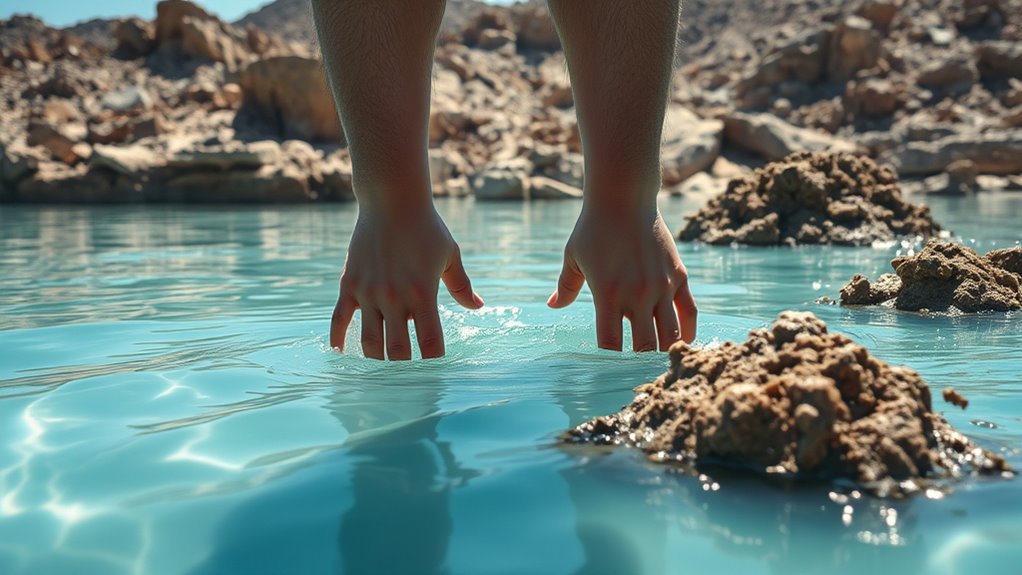
What makes the Dead Sea so unique? You’ll find it’s one of the saltiest bodies of water on Earth, with salt concentrations around 30%. This extreme salinity means you won’t sink easily; instead, you’ll float effortlessly.
The mineral-rich water also contains magnesium, potassium, and calcium, which many believe benefit your skin and overall health. However, this high salt content creates a harsh environment where most aquatic life can’t survive, giving the sea its “dead” name.
Unlike typical seawater, the Dead Sea’s density changes how you swim. You won’t need to paddle hard to stay afloat.
The Dead Sea’s unique density means floating comes naturally, with minimal effort needed to stay buoyant.
Understanding these unique properties helps you appreciate why swimming here differs from other experiences and why you must be cautious as you enjoy its extraordinary buoyancy and minerals.
Prepare Your Skin Before Entering the Water
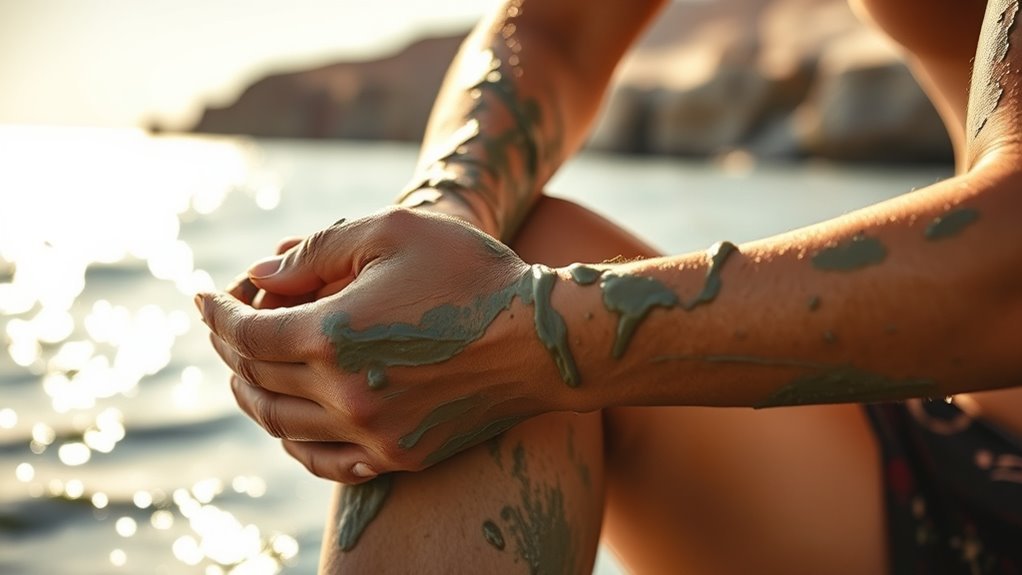
Since the Dead Sea’s high salt concentration can be tough on your skin, you should take steps to protect it before you swim. Start by rinsing off any cuts or scrapes, as salt can sting and worsen irritation.
Apply a light layer of moisturizer or barrier cream to help shield your skin from excessive dryness. Avoid shaving right before swimming to prevent discomfort. Wearing a rash guard can also reduce direct salt contact.
| Step | Action | Purpose |
|---|---|---|
| 1 | Rinse cuts | Prevent stinging |
| 2 | Apply moisturizer | Protect against dryness |
| 3 | Avoid shaving | Minimize irritation |
| 4 | Wear rash guard | Limit salt exposure |
Protect Your Eyes From Salt Irritation
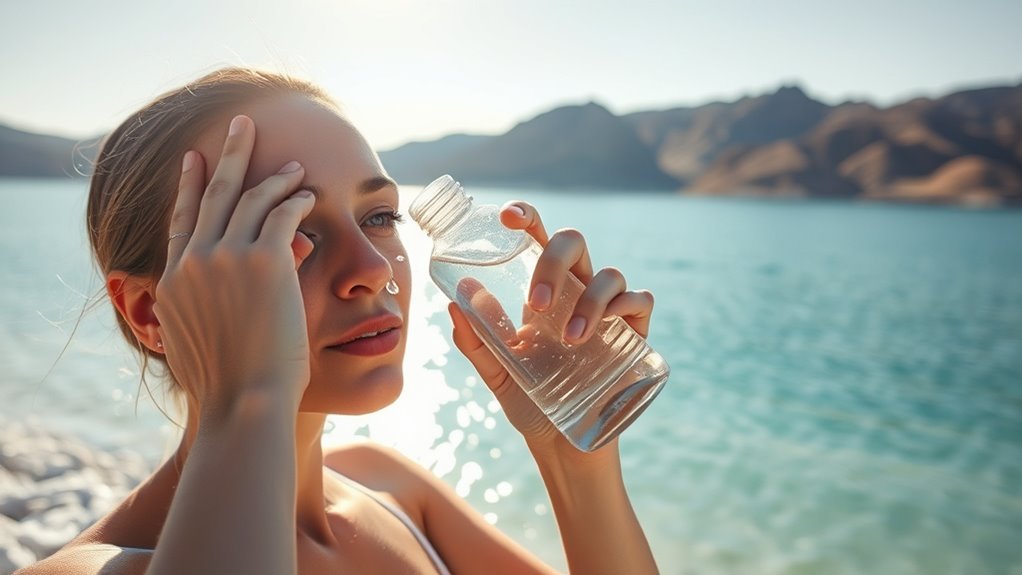
Although the Dead Sea’s unique mineral content offers many benefits, it can seriously irritate your eyes. To protect them, avoid rubbing your eyes while in the water or immediately after exiting.
If you accidentally get water in your eyes, rinse them promptly with fresh, clean water. Wearing waterproof swimming goggles is a smart move; they create a barrier against the salty water and reduce irritation risk.
Also, try to keep your head above water as much as possible to minimize direct contact. If your eyes feel uncomfortable, step out and flush them thoroughly.
Taking these precautions helps you enjoy the Dead Sea’s therapeutic qualities without the discomfort of salt-induced eye irritation. Prioritize eye safety so your swim stays pleasant and pain-free.
Choose the Right Entry Point for Safety
Where you enter the Dead Sea can greatly impact your safety and comfort. Choose entry points with gradual slopes to avoid sudden drops. Avoid rocky areas that can cause cuts or slips.
Popular public beaches often have safer, maintained entry zones and lifeguards nearby. Check for signs indicating safe spots. Here’s a quick guide:
| Entry Point Type | Safety Level | Notes |
|---|---|---|
| Gradual Slope | High | Easy to walk in safely |
| Rocky Shore | Low | Risk of cuts and slips |
| Public Beach | High | Lifeguards and facilities |
| Private Shore | Medium | Less crowded but watch footing |
Enter the Water Slowly and Carefully
When you step into the Dead Sea, take your time and move slowly to prevent slips and sudden shocks from the high salt concentration. The salt crystals on the seabed can be sharp and slippery, so ease your feet down carefully.
Avoid jumping or diving in, as the dense water can catch you off guard. Keep your balance by using your hands if needed, and watch for uneven surfaces or sudden drop-offs.
If you feel any discomfort or stinging, pause and adjust your position. Entering gradually also helps your body acclimate to the unique water conditions, reducing the chance of dizziness or cramping.
Maintain Proper Floating Technique
Once you’ve eased into the Dead Sea’s salty waters, focus on how you float to stay comfortable and safe. Lean back gently, letting the high salt concentration support your body without effort. Keep your head tilted slightly upward to keep your face above the surface.
Spread your arms and legs wide to increase buoyancy and maintain balance. Avoid sudden movements that could disrupt your float or cause water to splash into your eyes.
Use slow, gentle kicks if you want to move, but remember the water naturally keeps you afloat.
Stay relaxed, breathe steadily, and enjoy the unique sensation. Maintaining this proper floating technique helps prevent fatigue and ensures you remain safe while experiencing the Dead Sea’s remarkable buoyancy.
Avoid Submerging Your Head Underwater
Although the Dead Sea’s buoyancy makes floating easy, you should avoid submerging your head underwater because the high salt concentration can cause severe irritation to your eyes, nose, and mouth.
The salt can sting intensely, leading to discomfort or even injury. Keep your face above the water at all times to protect sensitive areas from exposure.
If you accidentally dip your head, rinse your eyes and mouth with fresh water immediately to reduce irritation. Avoid splashing or diving, as this increases the chance of saltwater entering your nose or eyes.
Instead, relax and enjoy the unique floating sensation without putting your head underwater. Prioritizing caution will help you have a safe and enjoyable experience in the Dead Sea.
Exit the Dead Sea Safely and Rinse Off
As you prepare to leave the Dead Sea, take care to exit slowly to avoid slipping on the slick, mineral-coated shore. Move deliberately, using your hands for balance if needed, since the salty mud can be slippery.
Once you’re out, head straight to a freshwater shower or rinse station. The high salt concentration can irritate your skin and eyes if left on too long.
Immediately rinse off in fresh water to soothe skin and eyes from the Dead Sea’s intense salt.
Use fresh water to wash off the salt and mineral deposits thoroughly, paying special attention to any cuts or sensitive areas.
Dry yourself gently with a towel to prevent further irritation.
Finally, rehydrate by drinking plenty of water, as the salty environment can dehydrate you quickly.
Following these steps helps guarantee a safe and comfortable experience after swimming in the Dead Sea.
Frequently Asked Questions
Can I Swim in the Dead Sea if I Have Open Wounds?
You shouldn’t swim in the Dead Sea if you have open wounds because the high salt concentration can cause severe pain and increase infection risk.
Wait until your wounds fully heal before enjoying the water safely.
Are There Specific Times of Day Best for Swimming in the Dead Sea?
The best time to swim in the Dead Sea is early morning or late afternoon when the sun’s gentle hug won’t scorch your skin. Avoid midday heat to keep cool and enjoy a safer, more comfortable float.
What Should I Wear When Swimming in the Dead Sea?
You should wear a swimsuit and consider water shoes to protect your feet from salt crystals. Avoid cotton; quick-dry fabrics work best.
Also, don’t wear jewelry—it can irritate your skin due to the high salt concentration.
Is It Safe for Children to Swim in the Dead Sea?
You won’t find a kiddie pool with more salt! It’s generally safe for kids, but you should keep a close eye on them, limit their time, and avoid swallowing the water to keep everything worry-free.
Can I Use Sunscreen Before Entering the Dead Sea?
Yes, you can use sunscreen before entering the Dead Sea, but make sure it’s waterproof and eco-friendly to protect your skin and the environment.
Apply it generously and reapply after swimming or towel drying.
Conclusion
Swimming in the Dead Sea is like stepping into a timeless legend—its salty embrace both healing and treacherous. By preparing your skin, protecting your eyes, and entering carefully, you’ll float effortlessly, just like the ancient travelers who marveled at its wonders.
Remember, respect this unique sea’s power: keep your head above water and exit safely. With these steps, you’ll create your own unforgettable story of serenity and safety in this mesmerizing, mythical place.
By following these guidelines, you can swim safely in the Dead Sea and enjoy its unique experience without risk. Prioritize safety, protect your skin and eyes, and respect the sea’s natural conditions to ensure a safe and memorable visit.