How You Can Swim Safely After Ear Piercing
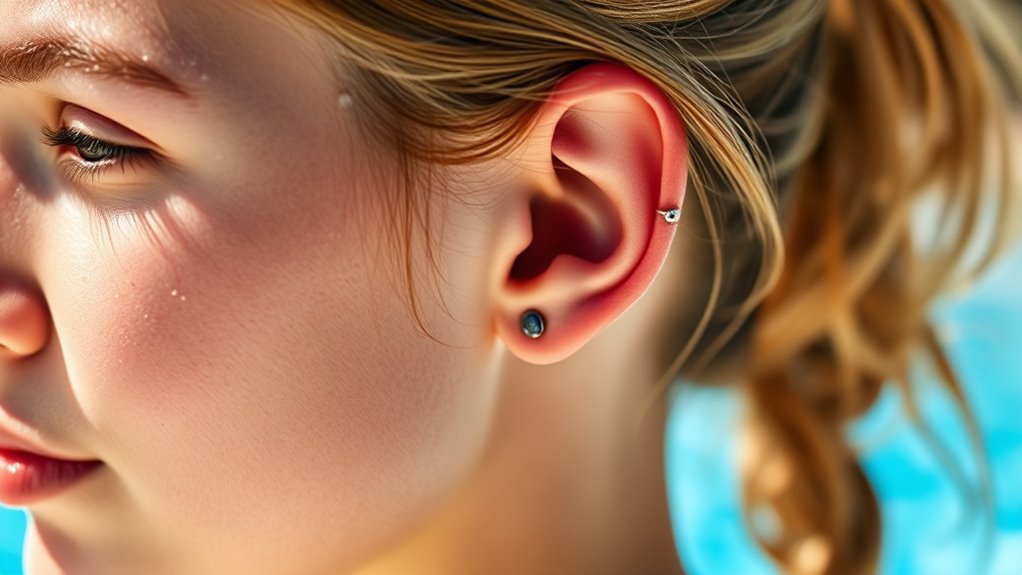
You can swim safely after an ear piercing by waiting 6-8 weeks for earlobes, and even longer for cartilage piercings, to allow proper healing. Proper care and precautions are essential to prevent infection and irritation.
Before swimming, clean your piercing with saline solution and use waterproof earplugs to keep water out. After swimming, rinse your ear with fresh water and gently pat it dry. Avoid harsh chemicals or rubbing, as these can irritate the new piercing.
If you notice redness, swelling, or pain, give your ear more time to heal before swimming again. Following these steps helps protect your new piercing and ensures a safe swimming experience.
Understanding the Healing Process of Ear Piercings
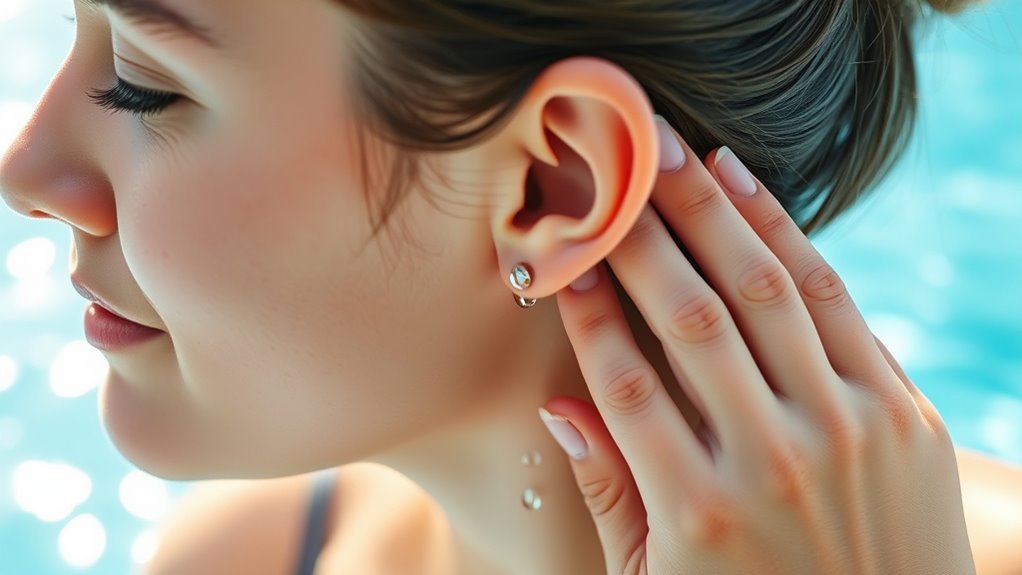
Although it might seem straightforward, understanding the healing process of ear piercings is essential before you decide to swim. When you get a new piercing, your body needs time to form a protective barrier around the wound.
This process usually takes about 6 to 8 weeks for earlobes, but it can vary depending on your skin type and aftercare. During healing, the tissue is sensitive and vulnerable to irritation or infection.
Your piercing creates an open channel that hasn’t fully sealed yet, so exposing it to water, especially in pools or lakes, can introduce bacteria.
Knowing how your body heals helps you make smart choices to protect your piercing and avoid complications.
Proper care speeds recovery and keeps your ears healthy.
Risks of Swimming With a New Ear Piercing
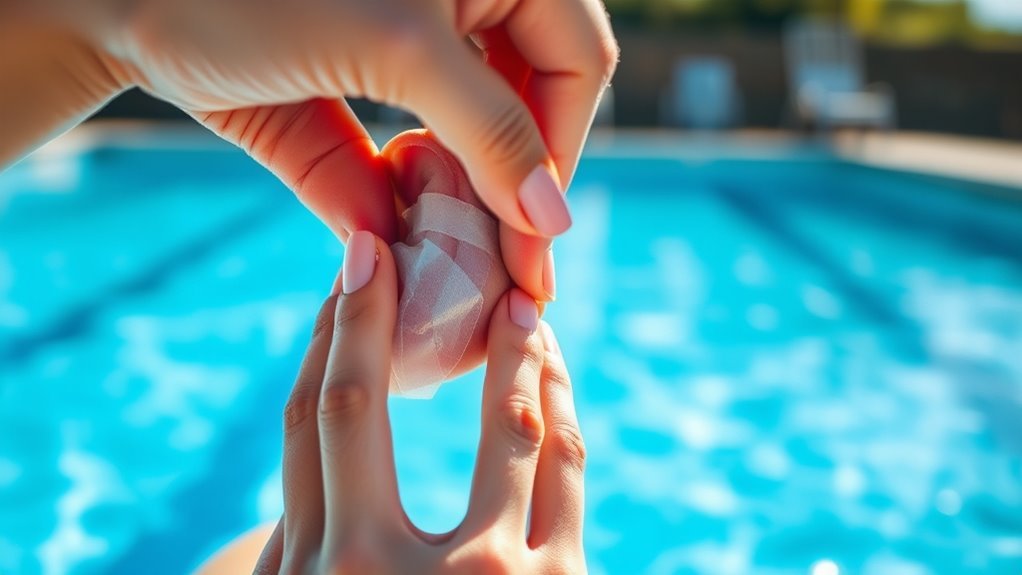
Since your new ear piercing is still an open wound, swimming can expose it to harmful bacteria and irritants found in pools, lakes, and oceans. This exposure increases the risk of infections, which can cause redness, swelling, pain, and even pus discharge.
You might also experience delayed healing if your piercing is constantly wet or irritated. Additionally, chlorine and saltwater can irritate the delicate skin around the piercing, leading to discomfort or allergic reactions.
Be aware of these risks when considering swimming soon after getting pierced:
- Infection from bacteria and germs present in water
- Delayed healing due to constant moisture and irritation
- Chemical irritation from chlorine or saltwater affecting sensitive skin
Understanding these risks helps you make safer choices for your piercing’s health.
Protective Measures Before Swimming
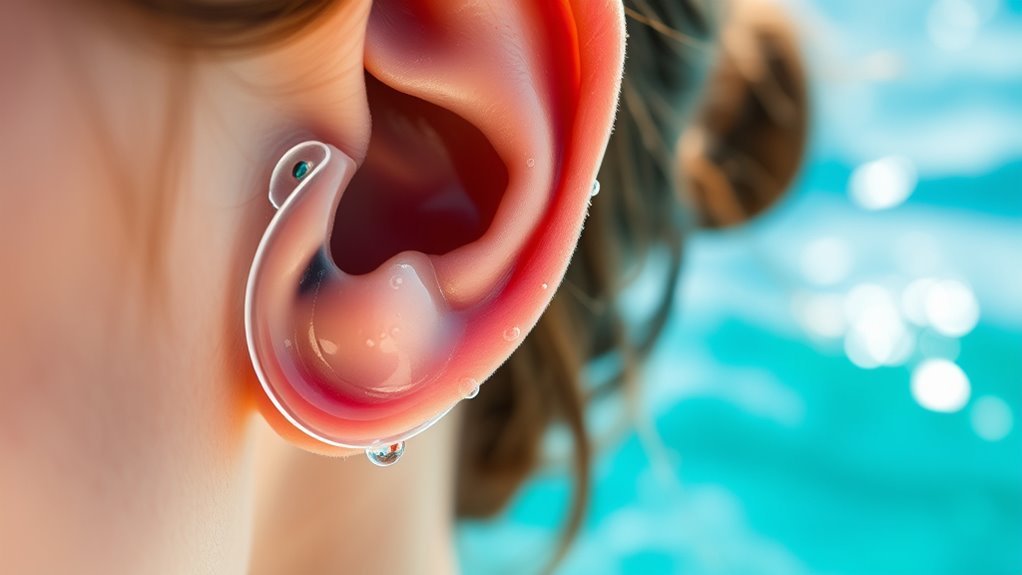
Before you take a dip, you should take specific steps to protect your new ear piercing from infection and irritation. First, clean your piercing gently with a saline solution to remove any dirt or bacteria.
Next, consider using waterproof earplugs or a swimming cap to create a barrier against water and pool chemicals. Make sure the earplugs fit snugly without putting pressure on the piercing. Avoid submerging your head fully if you’re unsure about the protection.
You might also apply a thin layer of antibiotic ointment around the pierced area to add extra defense.
Finally, check that your jewelry is secure to prevent it from catching or loosening in the water.
Taking these precautions helps you enjoy swimming while keeping your piercing safe and healthy.
After-Swim Care for Pierced Ears
Once you finish swimming, you should clean your pierced ear promptly to remove any chlorine, salt, or bacteria that might cause irritation or infection. Gently rinse your ear with fresh water and avoid harsh soaps or alcohol, which can dry out the skin. Pat your ear dry with a clean towel. Don’t rub, as this can irritate the piercing site.
To properly care for your pierced ears after swimming, make sure to:
- Use a saline solution to cleanse the piercing twice daily.
- Avoid touching or twisting the earrings until fully healed.
- Apply a thin layer of antibiotic ointment if you notice any redness or discomfort.
Following these steps keeps your piercing healthy and reduces the risk of complications.
When to Safely Resume Regular Swimming Activities
Although swimming is a great exercise, you shouldn’t jump back into regular swimming activities immediately after getting your ears pierced. Your new piercings need time to heal, usually about 6 to 8 weeks for earlobes and up to 12 weeks for cartilage.
During this period, water exposure can introduce bacteria and cause infections or irritation. Wait until your piercer confirms that your ears are fully healed before resuming swimming.
Even then, protect your ears by using waterproof earplugs and drying them thoroughly after swimming.
If you notice redness, swelling, or pain, hold off on swimming and consult your piercer or a healthcare professional. Prioritizing healing now guarantees you can enjoy swimming safely without complications later.
Frequently Asked Questions
Can Different Earring Materials Affect Healing Time?
Yes, different earring materials can affect healing time. You’ll heal faster with hypoallergenic metals like surgical steel or titanium, while cheaper alloys might cause irritation or infection, which could slow down the healing process considerably.
Is Saltwater Better Than Chlorinated Water for Healing?
When it comes to healing, saltwater generally has the upper hand over chlorinated water because it’s natural and less harsh.
However, don’t jump the gun—both can irritate your piercing if not careful.
How Does Ear Shape Impact Piercing Healing?
Your ear shape affects piercing healing because tighter or thicker cartilage may slow healing, while lobes tend to heal faster.
You should clean and care for your piercing properly, considering your unique ear structure to avoid complications.
Are There Specific Swimming Styles to Avoid?
You should avoid strokes that plunge your head underwater, like freestyle or butterfly, to protect your new piercing from bacteria.
Instead, stick to gentle backstroke or breaststroke until your piercing fully heals—you’ll thank yourself later.
Can Ear Piercings Cause Swimming-Related Ear Infections?
Yes, ear piercings can increase your risk of swimming-related ear infections because the piercing creates an open wound.
You should keep your ears dry and clean while they heal to avoid bacteria entering and causing infection.
Conclusion
Swimming with a new ear piercing might seem tempting, but rushing in too soon could lead to infections and delays. On the other hand, waiting and taking protective measures lets you enjoy the water safely without risking your healing process.
By following after-swim care and knowing when to resume regular swimming, you protect your ears and your fun. So, be patient—your ears will thank you when you dive back in confidently and safely. Swimming safely after ear piercing means caring for your new piercing properly and avoiding water exposure until it’s fully healed.