How You Can Swim Safely After You Get a Tattoo
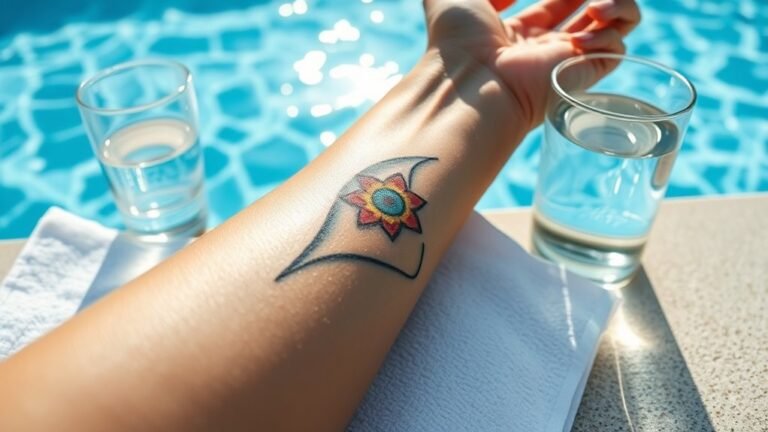
You should wait at least 2 to 4 weeks after getting a tattoo before swimming to avoid infection and irritation. Proper tattoo aftercare is essential to ensure your skin heals well and your ink stays vibrant. Make sure your tattoo is fully healed with no open wounds or scabs before entering the water.
When you swim, keep the time short and protect your skin by rinsing with clean water afterward. Then, apply a gentle moisturizer to soothe your tattooed skin. Taking these steps helps keep your ink vibrant and your skin healthy.
Stick around to discover how to care for your tattoo both in and out of the water. Following these guidelines ensures safe swimming after getting a tattoo and promotes long-lasting tattoo health.
Understanding the Healing Process of a New Tattoo

Although getting a tattoo is exciting, you need to understand that your skin undergoes a complex healing process afterward. When you first get inked, your skin is fundamentally an open wound.
Your body immediately starts repairing itself, forming a protective scab and new skin cells beneath it. During this time, your tattoo may feel tender, itchy, or dry.
It’s vital to keep the area clean and moisturized to promote proper healing and prevent infection.
You’ll notice peeling and flaking as old skin sheds and fresh skin replaces it.
This process usually takes around two to four weeks, but your tattoo won’t be fully healed internally for a few more weeks.
Knowing this helps you care for your tattoo properly and avoid damage during the essential healing phase.
Why Swimming Too Soon Can Be Risky

Because your new tattoo is fundamentally an open wound, swimming too soon exposes it to bacteria and irritants that can cause infection or delay healing. Pools, lakes, and oceans contain microorganisms that can easily enter your skin through the fresh tattoo, increasing the risk of redness, swelling, and painful infections.
Additionally, chlorine and saltwater can irritate the sensitive skin, leading to dryness, itching, or even fading of the ink. You might also experience scabbing or peeling issues if your tattoo doesn’t have enough time to form a protective barrier.
Recommended Waiting Period Before Swimming
When you get a new tattoo, you should wait at least two to four weeks before swimming to guarantee proper healing. This waiting period allows your skin to close up and reduces the risk of infection.
Healing times can vary depending on your tattoo’s size, location, and your skin type, so pay close attention to how your tattoo looks and feels. If you notice any redness, swelling, or scabbing, it’s best to hold off on swimming until these symptoms subside.
Jumping into pools, lakes, or the ocean too soon can expose your fresh tattoo to bacteria and irritants, potentially causing complications.
Waiting patiently ensures your tattoo heals beautifully and safely, so resist the urge to swim until your skin is fully ready.
Preparing Your Tattoo Before Entering the Water
Before you step into the water, you should take specific steps to protect your tattoo and promote healing. Proper preparation minimizes infection risks and preserves your ink’s vibrancy.
- Clean Your Tattoo Gently: Use mild, fragrance-free soap and lukewarm water to remove any dirt or sweat. Pat dry with a clean towel without rubbing.
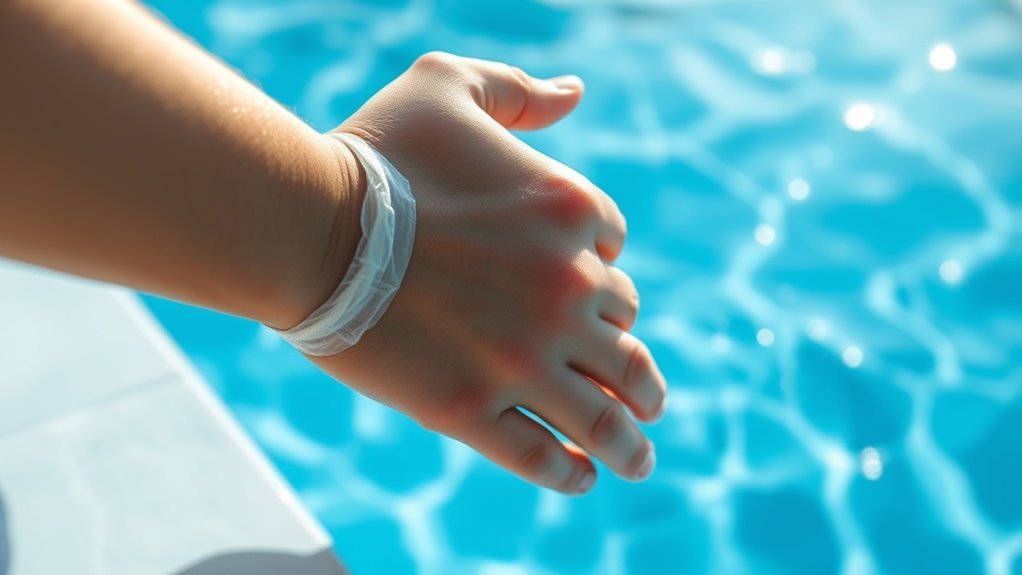
- Apply a Waterproof Barrier: Use a tattoo-safe waterproof bandage or a specialized waterproof ointment to shield your tattoo from bacteria and chlorine.
- Check for Complete Healing: Ensure your tattoo has no open wounds or scabs. Swimming with incomplete healing increases the chance of irritation and infection.
Best Practices While Swimming With a Healing Tattoo
Although swimming can feel invigorating, you should take extra care to protect your healing tattoo while in the water. First, limit your swim time to reduce exposure to bacteria and chlorine, which can irritate your skin. Keep your tattoo out of direct water flow whenever possible by avoiding vigorous swimming or diving.
Always wear a waterproof bandage or protective covering designed for tattoos to create a barrier against contaminants. After swimming, gently pat your tattoo dry with a clean towel; don’t rub it.
Avoid soaking or submerging the tattoo in pools, lakes, or oceans until it’s fully healed.
Staying mindful of these practices helps prevent infection, fading, and damage, ensuring your tattoo heals beautifully while you enjoy the water safely.
Aftercare Steps Post Swimming
Protecting your healing tattoo during swimming is only part of the process; proper care after you get out of the water plays a key role in its recovery. Once you’re out, it’s essential to treat your tattoo gently and thoughtfully.
- Rinse Immediately: Use lukewarm, clean water to rinse off any pool chemicals, salt, or bacteria that might cling to your skin.
- Pat Dry Gently: Avoid rubbing; instead, softly pat the area with a clean, soft towel to prevent irritation.
- Apply Aftercare Ointment: Once dry, apply a thin layer of fragrance-free, healing ointment or moisturizer recommended by your tattoo artist to lock in moisture and protect the skin.
Following these steps helps your tattoo heal smoothly and keeps it vibrant while minimizing potential damage from swimming.
Signs of Infection or Complications to Watch For
If you notice unusual redness, swelling, or persistent pain around your tattoo after swimming, these could be signs of infection. You should also watch for warmth or tenderness in the area, as well as any oozing of pus or a foul odor.
Fever or chills can indicate a more serious infection that needs medical attention. It’s important not to overlook these symptoms since infections can worsen quickly.
Additionally, if you experience increased itching, blistering, or a rash, it might signal an allergic reaction or irritation. Keep a close eye on your tattoo’s healing progress, and if anything feels off or worsens, don’t hesitate to consult a healthcare professional for advice.
Early detection helps prevent complications and ensures proper healing.
Tips for Long-Term Tattoo Care and Protection
Once your tattoo has fully healed, you’ll want to maintain its appearance and health by following some simple long-term care practices. Proper care helps keep your tattoo vibrant and prevents fading or damage over time.
Here are three essential tips to protect your tattoo:
- Regularly moisturize: Use a fragrance-free lotion to keep the skin hydrated and elastic, which preserves the ink’s sharpness.
- Apply sunscreen: Always use a high-SPF sunscreen on your tattoo when exposed to sunlight. UV rays can cause fading and discoloration.
- Avoid harsh exfoliation: Steer clear of abrasive scrubs or treatments that can damage your tattoo’s surface and irritate the skin.
Frequently Asked Questions
Can Tattoo Ink Fade Faster if Exposed to Pool Chemicals?
Yes, tattoo ink can fade faster if you expose it to pool chemicals like chlorine. These chemicals break down the ink particles, so it’s best to avoid swimming until your tattoo fully heals to keep colors vibrant.
Are Saltwater and Freshwater Equally Safe for Healing Tattoos?
You might think saltwater and freshwater are equally safe, but they’re not. Saltwater acts like a medieval sword, potentially irritating your tattoo, while freshwater is gentler.
Avoid both until your tattoo fully heals to stay safe.
Does the Size of the Tattoo Affect How Long You Should Wait to Swim?
Yes, bigger tattoos generally need more time to heal before you swim. You should wait longer to avoid infection or fading.
Smaller tattoos might heal faster, but always listen to your tattoo artist’s advice.
Can Waterproof Sunscreen Be Applied on a New Tattoo Before Swimming?
You shouldn’t apply waterproof sunscreen on a new tattoo before swimming. It can clog pores and irritate the skin, increasing infection risk.
Wait until your tattoo’s fully healed before using sunscreen to protect it properly.
Is It Safe to Use Hot Tubs or Saunas With a New Tattoo?
You shouldn’t use hot tubs or saunas with a new tattoo because the heat and bacteria can cause infection and fading.
Wait until your tattoo fully heals, usually 2-4 weeks, before enjoying them safely.
Conclusion
Swimming with a fresh tattoo is like steering a delicate dance—one misstep can turn your masterpiece into a mess. By waiting patiently, preparing carefully, and caring diligently, you’ll protect your ink’s vibrant story.
Think of your tattoo as a fragile bloom; with the right care, it’ll flourish beautifully. So, listen to your body, shield your skin, and let time be the gentle tide that keeps your new art glowing bright for years to come.
To swim safely after getting a tattoo, give your skin ample time to heal. Avoid pools, oceans, and hot tubs initially to prevent infections. Proper aftercare and patience are key to preserving your tattoo’s beauty and ensuring safe swimming.