Blog

  • How Long After a Tattoo Can I Swim Safely

    You should wait at least two to four weeks after getting your tattoo before swimming. During this time, your skin needs to heal fully, allowing scabs to form and peel naturally without risk of infection.

    Swimming too soon exposes the open wound to bacteria, chlorine, or salt, which can cause irritation, fading, or scarring. Only swim once your tattoo shows no redness or peeling and feels settled.

    Keep your tattoo protected and healthy by following proper care; there’s more to know about safeguarding your ink.
  • How Long After a Piercing Can You Swim?

    You should wait at least two to four weeks before swimming after getting a piercing to avoid infection. Fresh piercings have open skin that water, bacteria, and pool chemicals can irritate, slowing healing or causing problems.

    Healing times vary by piercing location, so stay cautious. If you want to swim sooner, waterproof covers can help, but it’s best to protect your new piercing carefully. Keep an eye out for signs of infection and learn more about how to care for your piercing in water.

  • How Fast Can a Sea Turtle Swim?

    You’ll find most sea turtles swim steadily at about 1 to 2 miles per hour, cruising efficiently over long distances. When they need a burst of speed, some species like the leatherback can hit up to 22 mph for short sprints.

    They use their large, paddle-shaped flippers for powerful thrust and precise steering. Many factors like species, size, and water conditions affect their speed.

    Keep exploring to discover how their speed helps them migrate and escape predators.

  • How Do You Maintain a Saltwater Swimming Pool in 10 Essential Steps

    To maintain your saltwater pool, regularly test and balance water chemistry, keeping pH between 7.2 and 7.8 and salt levels around 2700-3400 ppm. Clean the salt cell every few months, shock the pool every 1-2 weeks, and maintain your pump and filter.

    Remove debris weekly and control algae with proper chemicals. Properly winterize by lowering water levels, adding stabilizers, and covering the pool.

    Follow these steps, and you’ll keep your pool sparkling and ready all year. Keep going to uncover detailed tips for lasting pool care.

  • How Do You Lower Ph in a Swimming Pool Step by Step

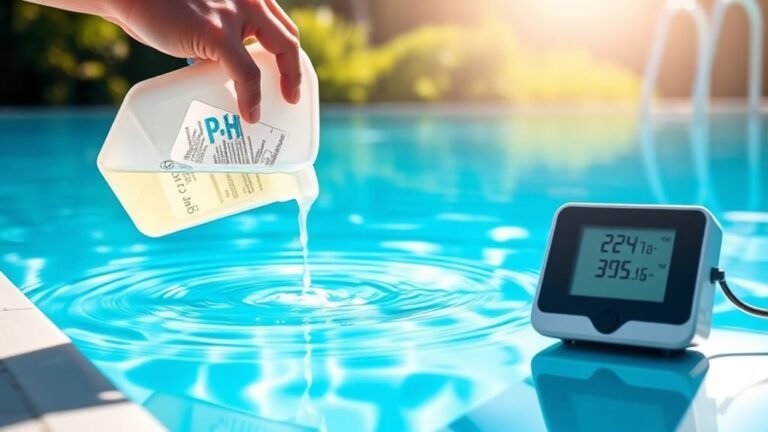
    To lower your pool’s pH, first test the water using a reliable kit to know the current level. Then, calculate the needed dose based on your pool size and how much you want to lower the pH.

    Choose a safe acid like sodium bisulfate or muriatic acid, adding it slowly to the deep end with the pump on while wearing protective gear. After waiting, retest to verify balance.

    If you want, you can explore how to keep your pool water perfectly balanced and safe.

  • Does a Swimming Pool Increase Home Value?

    You can increase your home’s value by adding a well-maintained swimming pool, especially if you live in a warm climate where pools are popular. A modern, attractive in-ground pool with safety features appeals more to buyers and complements your outdoor space.

    However, keep in mind ongoing maintenance costs and insurance considerations might affect buyer interest. Whether a pool adds value largely depends on your region and how well it fits your property.

    Explore more to see how pools truly impact your home’s market appeal.

  • How Do You Know If You Sweat When You Swim?

    You do sweat when you swim, even though water instantly washes it away, hiding the usual signs like visible droplets. You might notice your swimwear feeling tighter or a faint salty residue after drying off.

    Your heart rate and breathing will increase as your body works to regulate temperature underwater. Water temperature also affects how much you sweat, making it less obvious.

    Keep exploring to understand how sweating truly impacts your swim performance and hydration needs.

  • Do It Yourself Natural Swimming Pool in 3 Easy Steps

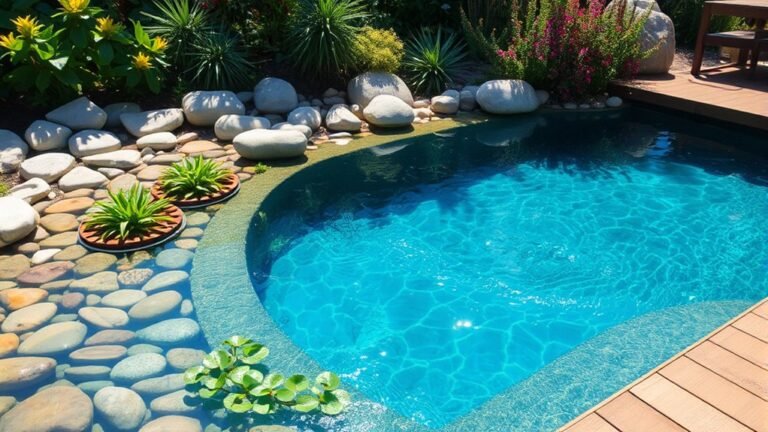
    You can create your own natural swimming pool in three simple steps. First, plan the design by choosing the shape, size, and native plants to keep water clear and natural.

    Next, excavate the area carefully, lining it to hold water and setting stable edges. Finally, install a filtration system using plants and pumps to circulate water naturally.

    Keep everything balanced for clean, eco-friendly swimming. Explore how to perfect each part to build your ideal pool.

  • How Do Dogs Know to Swim Naturally?

    You might wonder how dogs just know to swim naturally, and it all comes down to their evolutionary past and instincts. Their ancestors relied on water survival, so dogs inherited traits like the dog paddle reflex, automatic leg movements that keep them afloat.

    Combined with webbed paws, muscular legs, and water-resistant coats, these instincts kick in without training. Puppies show this too, thanks to genetics and anatomy.

    Keep exploring, and you’ll find useful tips and breed differences that explain why some pups love the water more than others.

  • Can You Swim With a Pad?

    You shouldn’t swim with a pad because it quickly becomes heavy, soggy, and loses absorbency in water. The pad’s adhesive weakens, so it can shift or fall off, making leaks more likely. Wearing a wet pad also feels uncomfortable and may cause irritation.

    Instead, consider options like tampons, menstrual cups, or period-proof swimwear designed to handle water. If you want to feel secure and comfortable while swimming on your period, there are smarter solutions to explore.