How Long to Wait to Swim After Ear Piercing Step by Step
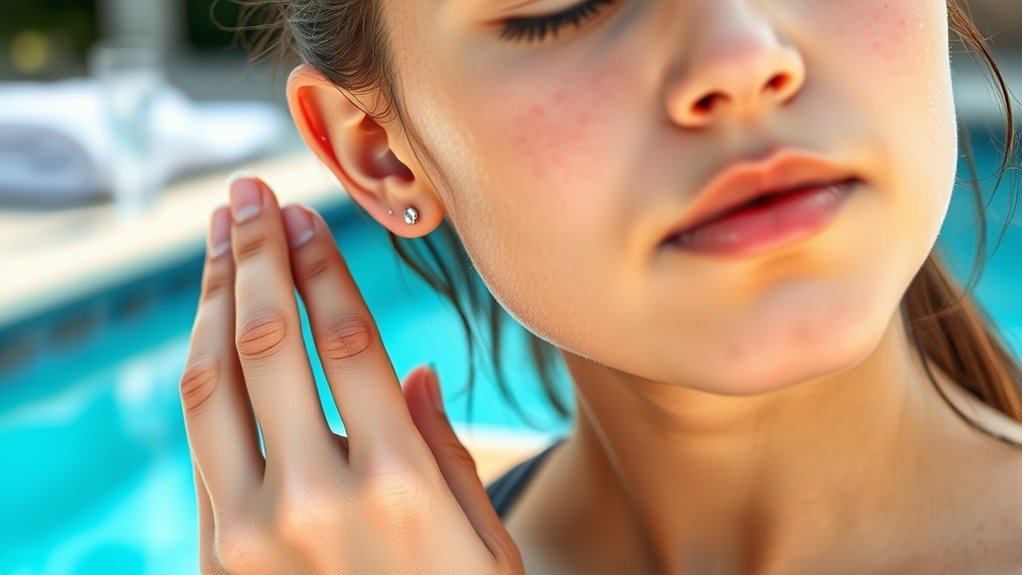
After getting your ear pierced, it’s important to know how long to wait to swim after ear piercing to ensure proper healing and avoid infection. Generally, you should wait at least 6 to 8 weeks before swimming.
During this healing period, keep the piercing area clean and avoid touching it with dirty hands. Also, stay away from pool or ocean water, as these can introduce bacteria and cause irritation.
Before you go swimming, gently clean the piercing and cover it to protect the area. After swimming, make sure to rinse the piercing with clean water and dry it thoroughly.
If you want to learn how to protect and care for your piercing step by step, keep exploring for more helpful tips.
Understanding the Healing Process of Ear Piercings

Although healing times can vary, your ear piercing typically takes about 6 to 8 weeks to heal fully. During this time, your body creates new tissue to close the wound around the jewelry.
You might notice some redness, swelling, or tenderness initially, which is normal. However, as healing progresses, these symptoms should gradually fade.
It’s important to keep the area clean and avoid unnecessary touching to prevent irritation or infection.
Your skin forms a protective barrier, but this barrier remains delicate until complete healing occurs.
Remember, healing speeds depend on factors like your immune system and how well you care for the piercing.
Risks of Swimming Too Soon After Piercing
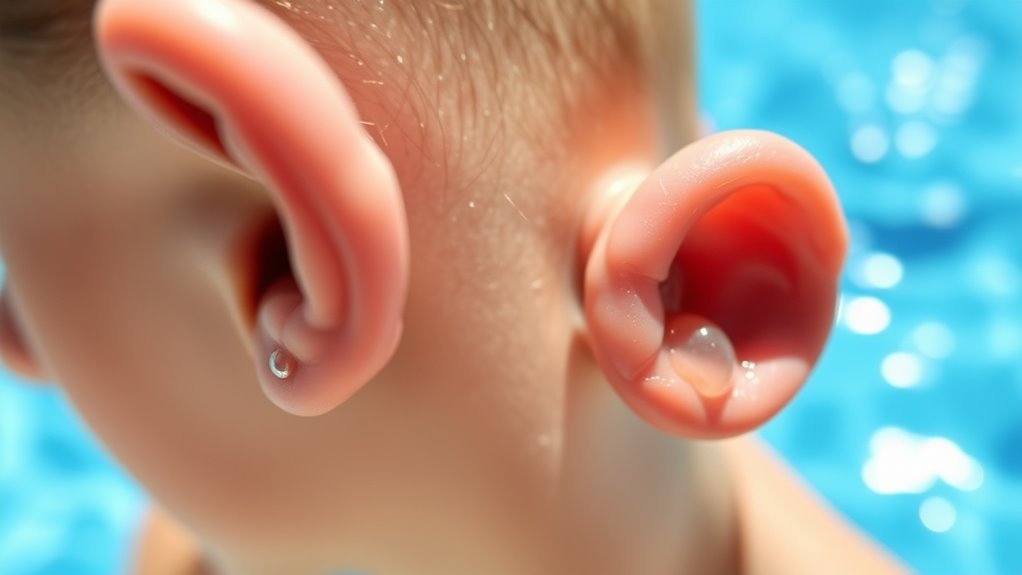
While your ear piercing heals, its protective barrier is still fragile and vulnerable. Swimming too soon exposes your new piercing to bacteria and chemicals in the water, increasing your risk of infection.
Pools, lakes, and oceans contain germs that can easily enter the open wound, causing redness, swelling, and pain. You might also experience delayed healing or even develop an abscess, which could require medical treatment.
Additionally, chlorine and salt can irritate the piercing site, making it uncomfortable and prolonging recovery. If you jump into water before your piercing is ready, you risk damaging the delicate tissue, potentially leading to scarring or rejection.
To protect your piercing and avoid complications, it’s essential to wait until it’s fully healed before swimming.
Recommended Waiting Period Before Swimming
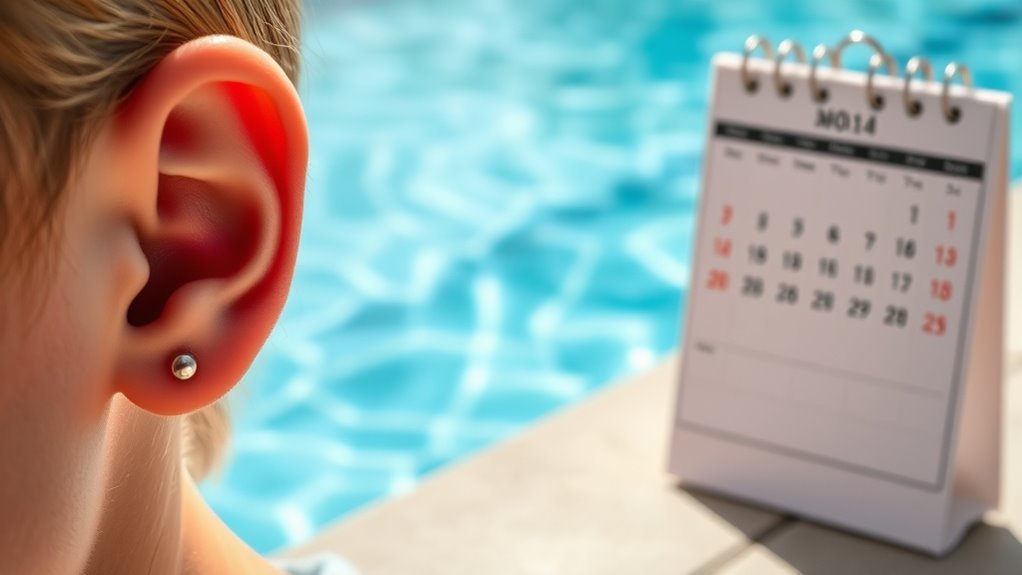
Because your new ear piercing needs time to form a protective layer, you should wait at least 6 to 8 weeks before swimming. This waiting period allows the skin to heal properly, reducing the risk of infections caused by bacteria in pools, lakes, or oceans.
Healing times can vary depending on your body and the piercing location, but sticking to this timeframe is a safe bet. If you swim too soon, you risk irritation, redness, and potential complications that could prolong healing.
Remember, the goal is to protect your piercing while it’s still vulnerable. Waiting patiently guarantees your ear piercing heals well and looks great.
Preparing Your Piercing for Swimming
Before you take a dip, you’ll want to properly prepare your piercing to minimize the risk of infection and irritation. Start by thoroughly cleaning your piercing with a saline solution to remove any dirt or bacteria. Avoid using harsh chemicals or alcohol, as they can dry out and irritate the skin.
Next, gently pat the area dry with a clean, soft towel. Never rub, which can cause damage. Consider applying a waterproof bandage or specialized piercing cover to shield your ear from pool or ocean water, which often contains bacteria and chlorine.
Finally, make sure your hands are clean before touching your piercing to prevent introducing germs. Taking these steps helps keep your new piercing safe and healthy before you swim.
Safe Swimming Practices for New Piercings
Taking the right precautions when swimming with a new ear piercing can help you avoid infections and promote faster healing. Always protect your piercing by covering it with a waterproof bandage or earplugs before entering the water.
Avoid swimming in lakes or hot tubs, as they harbor more bacteria than pools. After swimming, rinse your ear gently with clean water and dry it thoroughly.
Here’s a quick guide to safe swimming practices:
| Practice | Why It Matters |
|---|---|
| Use waterproof protection | Keeps water and bacteria out |
| Choose clean pools | Reduces infection risk |
| Rinse and dry after swim | Prevents moisture buildup and irritation |
Following these steps will help your piercing heal smoothly while letting you enjoy your swim.
Signs of Infection to Watch For After Swimming
If you notice redness, swelling, or increased pain around your new piercing after swimming, these could be signs of infection. It’s important to ensure quick action to prevent complications. Watch for these key symptoms:
- Discharge – Yellow or green pus oozing from the piercing site.
- Warmth – The area feels hot to the touch compared to surrounding skin.
- Fever – Developing a fever can indicate a spreading infection.
- Persistent pain – Pain that worsens instead of improving over time.
If you experience any of these signs, avoid swimming and seek medical advice promptly. Early detection helps guarantee your piercing heals well without lasting issues.
Don’t ignore symptoms, even if they seem mild at first.
Caring for Your Piercing Post-Swim
Although swimming can be invigorating, you need to clean your piercing carefully afterward to prevent irritation or infection. Start by rinsing your ear with clean, lukewarm water to remove any chlorine, salt, or bacteria.
Avoid using harsh soaps or alcohol that can dry out or irritate the skin.
Next, gently pat the area dry with a clean, soft towel or let it air dry. Use a saline solution to soak or spray your piercing, helping to soothe and promote healing.
Avoid touching or twisting the jewelry while your ear is still wet to reduce the risk of introducing bacteria.
Finally, keep your hair and any products away from the piercing until it’s fully healed. Regular, gentle care guarantees your piercing stays healthy after every swim.
When to Consult a Professional About Piercing Issues
When your ear piercing shows signs of persistent redness, swelling, or pain despite proper care, it’s important to seek professional advice promptly. Ignoring these symptoms could lead to infection or complications.
Here’s when you should consult a professional:
- You notice pus or unusual discharge around the piercing site.
- The pain worsens or lasts more than a few days.
- You develop a fever or feel generally unwell.
- Your piercing starts to crust excessively or the skin hardens.
Don’t hesitate to reach out to a piercer or healthcare provider if you’re unsure. Early intervention helps prevent serious issues and ensures your piercing heals properly, allowing you to enjoy activities like swimming without worry.
Frequently Asked Questions
Can You Swim in a Pool With Non-Metal Earrings?
You can swim in a pool with non-metal earrings, but you should guarantee they’re securely fastened and clean. Keep in mind, pool chemicals might irritate your ears or damage earrings, so use caution and rinse afterward.
Does Saltwater Help Heal Ear Piercings Faster?
Saltwater can help clean your ear piercing by reducing bacteria, but it won’t necessarily speed healing.
You should rinse gently with a saline solution, avoid harsh saltwater exposure, and follow your piercer’s care advice.
Are There Specific Earrings Better for Swimming?
Yes, you should choose hypoallergenic earrings like surgical steel or titanium when swimming. They resist corrosion and reduce irritation. Avoid cheap metals to prevent infections, and always clean your earrings and ears thoroughly after swimming.
How Does Ear Piercing Affect Swimming With Earplugs?
Ear piercing makes you more vulnerable to infections, so even with earplugs, you need to be extra careful. Don’t rely solely on them; clean your ears thoroughly afterward to avoid irritation or bacteria buildup while swimming.
Proper hygiene is essential to prevent complications. Ensure your earplugs fit well and create a good seal to minimize water entry. After swimming, gently dry your ears and clean the pierced area with a suitable antiseptic solution.
Can Swimming Delay Healing of Cartilage Piercings?
Yes, swimming can delay healing of cartilage piercings because water may introduce bacteria, causing infections.
You should avoid swimming until fully healed or use waterproof ear protection to reduce the risk and promote faster recovery.
Conclusion
Now that you know how long to wait before swimming after your ear piercing, don’t rush it like it’s a medieval joust! Give your piercing the time it needs to heal properly—usually at least 6 to 8 weeks.
Follow safe swimming practices and keep an eye out for any signs of infection. If something feels off, don’t hesitate to consult a professional.
Taking these steps will help you enjoy the water without risking your new piercing’s health. Remember, waiting the right amount of time to swim after an ear piercing is essential to prevent complications and ensure proper healing.