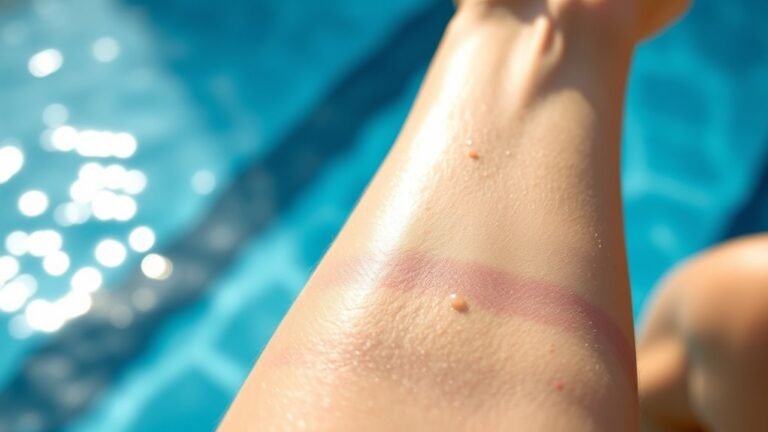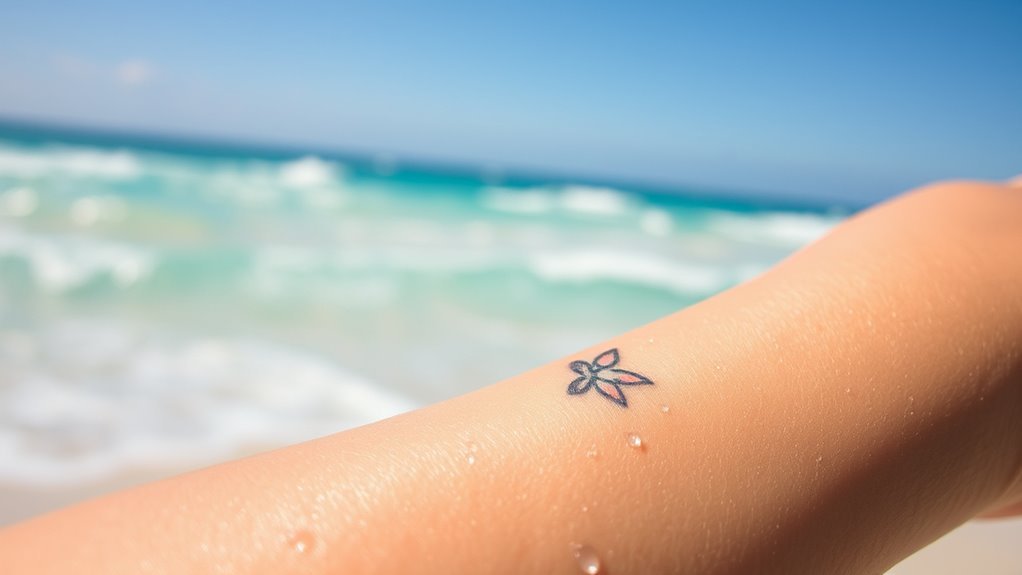
How Long After a Tattoo Can You Swim in the Ocean
You should wait at least two to four weeks after getting your tattoo before swimming in the ocean. Fresh tattoos are open wounds, and saltwater can introduce bacteria, cause irritation, and dry out your skin. This can slow healing or increase the risk of infection.
Look for signs like no scabbing, redness, or itching before you take a dip. Taking care during this time helps preserve your tattoo’s look and health.
Keep going to find out how to protect your tattoo when you swim and when it’s truly safe to enjoy the ocean.
Understanding the Tattoo Healing Process

Although getting a tattoo is exciting, you need to understand how your skin heals before swimming in the ocean. When you get a tattoo, your skin undergoes trauma from the needles depositing ink into the dermis. This triggers your body’s natural healing process, which includes inflammation, scabbing, and peeling.
During this time, your skin is vulnerable to infections and irritation. Healing typically takes about two to four weeks, but deeper layers may take longer to fully recover. You’ll notice redness, swelling, and tenderness early on, which gradually fade.
Avoid submerging your tattoo in water during this phase because it can disrupt the healing and introduce bacteria.
Why Saltwater Can Affect Your New Tattoo
Since saltwater contains bacteria and minerals, it can irritate your fresh tattoo and slow down the healing process. When you expose your new tattoo to saltwater, those minerals can dry out your skin, causing itching and flaking.
The bacteria in the ocean increase the risk of infection, even if your tattoo looks fine on the surface. Plus, saltwater can wash away the scabs that are vital for protecting the delicate skin underneath.
This disruption can lead to uneven healing and even affect how your tattoo ultimately looks. To keep your tattoo vibrant and healthy, it’s important to avoid saltwater until your skin has fully healed.
Your body needs time to rebuild the skin barrier without additional stress from the ocean’s harsh elements.
Risks of Swimming in the Ocean Too Soon
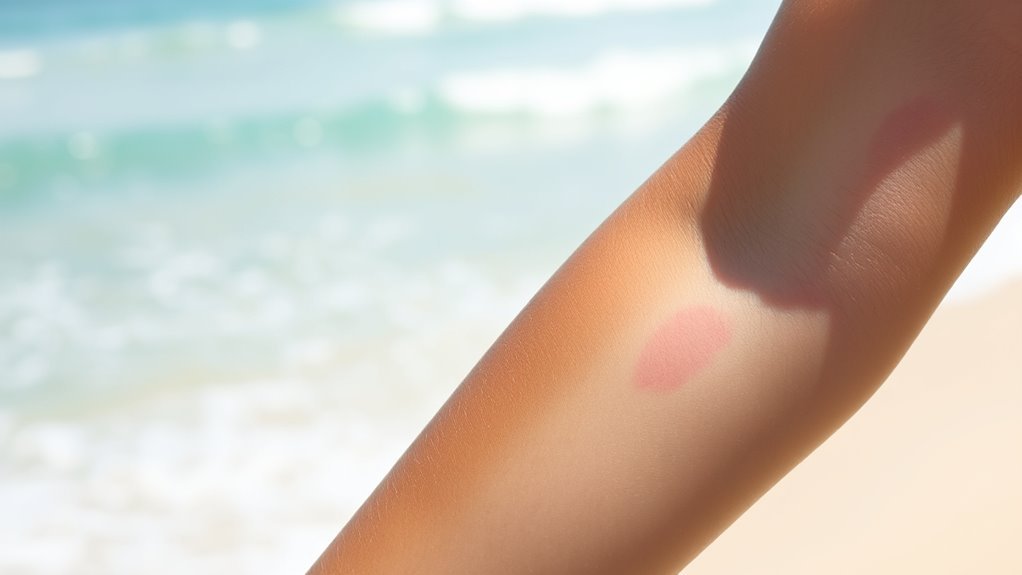
If you jump into the ocean before your tattoo has healed, you risk exposing the fresh wound to harmful bacteria that can cause infection. Ocean water contains a mix of microorganisms, including bacteria and viruses, that can easily enter the tiny openings in your skin.
This can lead to redness, swelling, increased pain, and even pus. Additionally, the salt and sand can irritate the sensitive skin, prolonging healing and increasing discomfort.
You might also experience fading or distortion of your tattoo’s colors if the skin gets damaged. Swimming too soon can delay the healing process and might force you to seek medical treatment, which you definitely want to avoid.
Recommended Waiting Period Before Ocean Swimming
Before you take a dip in the ocean, you should wait at least two to four weeks after getting your tattoo to guarantee proper healing. This period allows your skin to close up and reduces the risk of infection from bacteria and saltwater.
Wait two to four weeks after tattooing before ocean swims to ensure proper healing and prevent infection.
During this time, your tattooed skin is still vulnerable, and exposing it to ocean water can cause irritation or damage to the ink. Keep in mind that healing times vary depending on the tattoo size, placement, and your skin type.
It’s essential to follow your tattoo artist’s aftercare instructions closely. If you rush into swimming too soon, you might compromise the quality of your tattoo and your skin’s health.
Patience during this waiting period ensures your tattoo heals beautifully and stays vibrant longer.
Signs Your Tattoo Is Ready for Ocean Exposure
Waiting the recommended two to four weeks is just the first step; you also need to recognize when your tattoo has fully healed and is ready for ocean exposure.
Here are four clear signs your tattoo is ready:
- No scabs or peeling – Your skin feels smooth without any flaky or rough areas.
- No redness or swelling – The tattooed area looks and feels normal, with no irritation.
- Itchiness has subsided – The healing itch is gone, indicating skin recovery.
- Skin is fully closed – Your tattoo isn’t open or raw; it’s sealed and intact.
Once you notice all these signs, your tattoo has healed enough to handle ocean water without risking infection or damage.
How to Protect Your Tattoo While Swimming
Although swimming in the ocean can be invigorating, you’ll need to take specific steps to protect your tattoo from harmful bacteria and saltwater irritation. First, make sure your tattoo is fully healed before you swim.
When you do swim, apply a waterproof, breathable bandage or a specialized tattoo film to create a barrier against saltwater and microbes.
After swimming, rinse your tattoo gently with fresh water to remove salt and sand, then pat it dry with a clean towel.
Moisturize your tattoo with a fragrance-free lotion to keep the skin hydrated and promote healing.
Avoid excessive sun exposure while swimming, and consider using a high SPF sunscreen once healed.
These precautions help preserve your tattoo’s color and prevent infections.
Alternative Water Activities During Tattoo Healing
Since swimming in the ocean can expose your healing tattoo to bacteria and irritation, you might want to explore gentler water activities during the recovery period. These alternatives allow you to enjoy water without risking infection or damage.
- Short showers Use lukewarm water to cleanse your tattoo gently, avoiding prolonged soaking.
- Splashing at the beach Stay in shallow water and avoid submerging your tattoo fully.
- Indoor pools with proper sanitation If you must swim, choose well-maintained pools, but keep sessions brief.
- Using a waterproof cover When near water, protect your tattoo with a breathable, waterproof bandage to keep it dry.
Choosing these options helps your tattoo heal safely while still letting you enjoy some water fun.
Aftercare Tips for Ocean Swimming After Tattoo Healing
Once your tattoo has fully healed, you’ll want to take extra care when swimming in the ocean to prevent irritation or infection. Rinse your tattoo with fresh water immediately after swimming to remove salt, sand, and bacteria.
Pat it dry gently with a clean towel, don’t rub. Apply a fragrance-free moisturizer to keep the skin hydrated and avoid peeling or cracking.
Avoid prolonged exposure to direct sunlight on your tattoo, as UV rays can fade the ink and irritate the skin. Wear loose, breathable clothing to protect the area after swimming.
Finally, monitor your tattoo for any signs of redness, swelling, or unusual discomfort. These simple steps help maintain your tattoo’s vibrancy and health while you enjoy the ocean safely.
When to Consult a Professional About Tattoo Complications
If you notice persistent redness, swelling, or pain around your tattoo after swimming in the ocean, you should consult a professional promptly. These signs may indicate an infection or allergic reaction that requires medical attention. Don’t ignore unusual symptoms; early intervention can prevent complications.
Watch for these warning signs:
Watch for these warning signs to ensure your tattoo heals safely after ocean exposure.
- Pus or unusual discharge from the tattooed area.
- Fever or chills accompanying tattoo discomfort.
- Intense itching or rash spreading beyond the tattoo.
- Increased warmth or hardening of the skin around the tattoo.
If any of these occur, reach out to a dermatologist or your tattoo artist for advice.
Prompt consultation guarantees your tattoo heals well and avoids long-term damage.
Frequently Asked Questions
Can Tattoos Cause Allergic Reactions in Saltwater?
Yes, tattoos can cause allergic reactions in saltwater if your skin is sensitive or the tattoo is fresh. You might experience redness, itching, or swelling, so it’s best to wait until fully healed before swimming.
Does Sunscreen Affect the Healing of a New Tattoo?
You shouldn’t apply sunscreen on a fresh tattoo since it can irritate your skin and clog pores.
Wait until it’s fully healed before using sunscreen to protect the design and promote proper healing.
How Does Tattoo Ink Interact With Chlorine in Pools?
Tattoo ink can break down when exposed to chlorine, causing colors to fade and the design to blur. You shouldn’t swim in chlorinated pools until your tattoo is fully healed to protect your ink’s vibrancy.
Are There Specific Tattoo Inks Better Suited for Swimmers?
Yes, you’ll want to choose inks labeled as waterproof or designed for active lifestyles. These inks resist fading and water damage better, helping your tattoo stay vibrant despite frequent swimming or exposure to water and chlorine.
Can Tattoos Fade Faster With Frequent Ocean Swimming?
Yes, your tattoos can fade faster with frequent ocean swimming because saltwater and sun exposure strip ink over time.
If you love the ocean, make sure to protect your art with waterproof sunscreen and moisturizers regularly.
Conclusion
So, how long should you wait before diving into the ocean with a fresh tattoo? Giving your skin enough time to heal is vital to avoid infections and fading. Usually, waiting at least 2 to 4 weeks is best, but always listen to your body and watch for signs of readiness.
Protecting your tattoo guarantees it stays vibrant and healthy. Remember, a little patience now means your artwork will look amazing for years to come. When considering how long after a tattoo you can swim in the ocean, prioritize healing to ensure the best results.