How You Can Swim Safely in Lake Superior
You can swim safely in Lake Superior by respecting its cold water and understanding the unique challenges it presents. Wearing a wetsuit is essential to stay warm, and it’s important to limit your time in the water to avoid hypothermia.
Be aware of strong currents, and if you get caught in one, learn to swim parallel to the shore to escape it. Always check the weather forecast beforehand to avoid storms and high winds that can make swimming dangerous.
Choose designated swimming spots where lifeguards are present for added safety. Use proper swimming gear, never swim alone, and keep a safe distance from wildlife.
Following these tips helps you stay safe, and there’s more helpful advice to guarantee your visit to Lake Superior goes smoothly.
Understand Lake Superior’s Water Temperatures
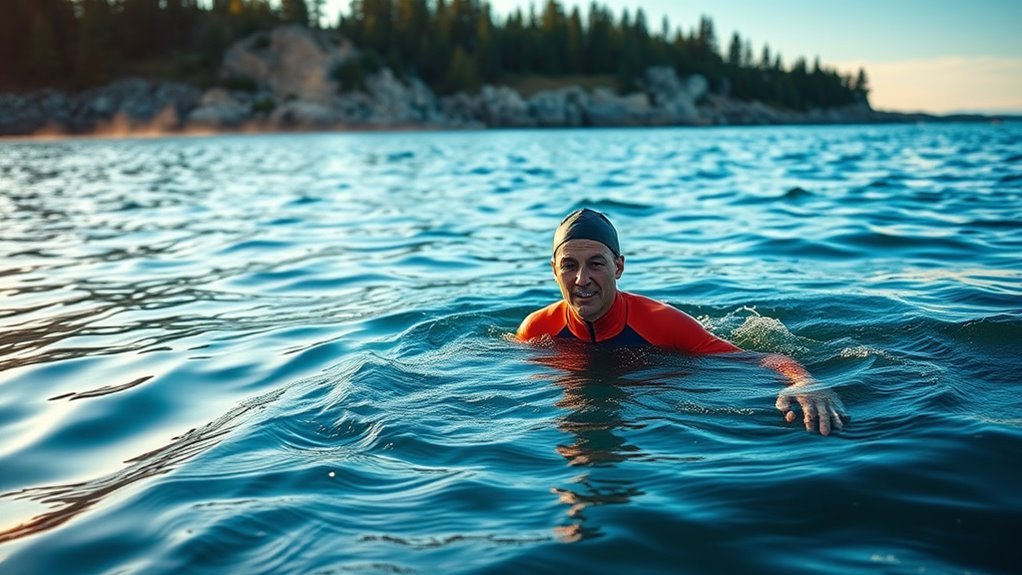
Although Lake Superior looks inviting, its water stays cold year-round, often below 55°F (13°C) even in summer. When you swim here, you need to be prepared for the chill.
Cold water can quickly sap your energy, causing muscle cramps or hypothermia if you’re not careful. Even if the air feels warm, the water temperature can shock your body when you enter.
To stay safe, limit your time in the water and wear a wetsuit if possible. It helps retain body heat and keeps you comfortable longer.
Pay attention to how your body feels; numbness or shivering means it’s time to get out. Understanding the cold nature of Lake Superior’s water is key to enjoying your swim without risking your safety.
Recognize the Risks of Strong Currents
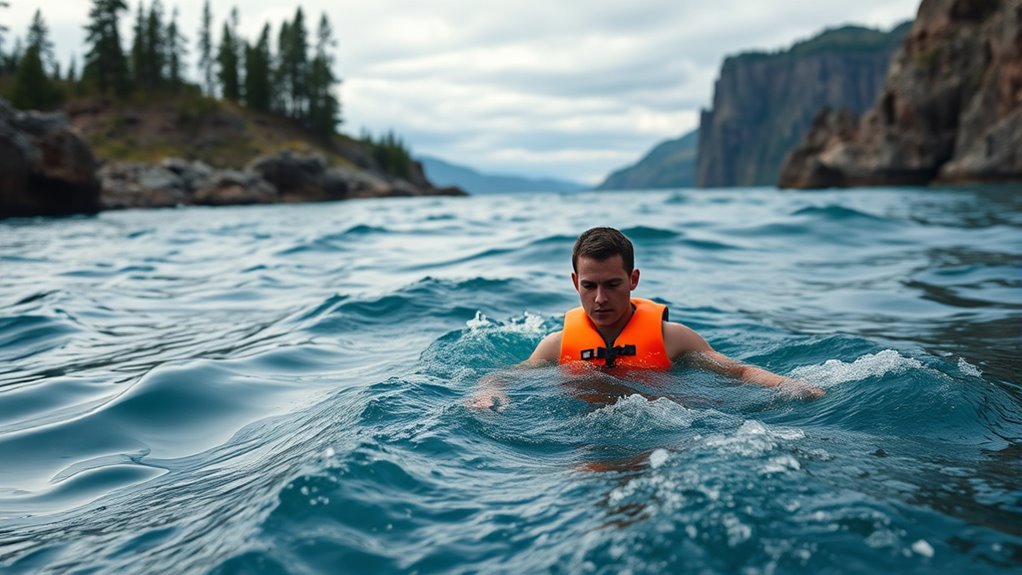
When you swim in Lake Superior, strong currents can catch you off guard and pull you away from shore quickly. These currents aren’t always visible, so staying alert is key. You need to recognize signs of rip currents and understand how they behave to stay safe.
Here’s what to watch for:
- Water moving rapidly away from shore, even if the surface looks calm
- Narrow channels of churning, choppy water
- Differences in water color or texture compared to surrounding areas
- Debris or foam moving steadily seaward
If you get caught, don’t fight the current. Instead, swim parallel to the shore until you’re out of it, then head back.
Knowing these risks helps you stay in control and enjoy Lake Superior safely.
Check Weather Conditions Before Swimming
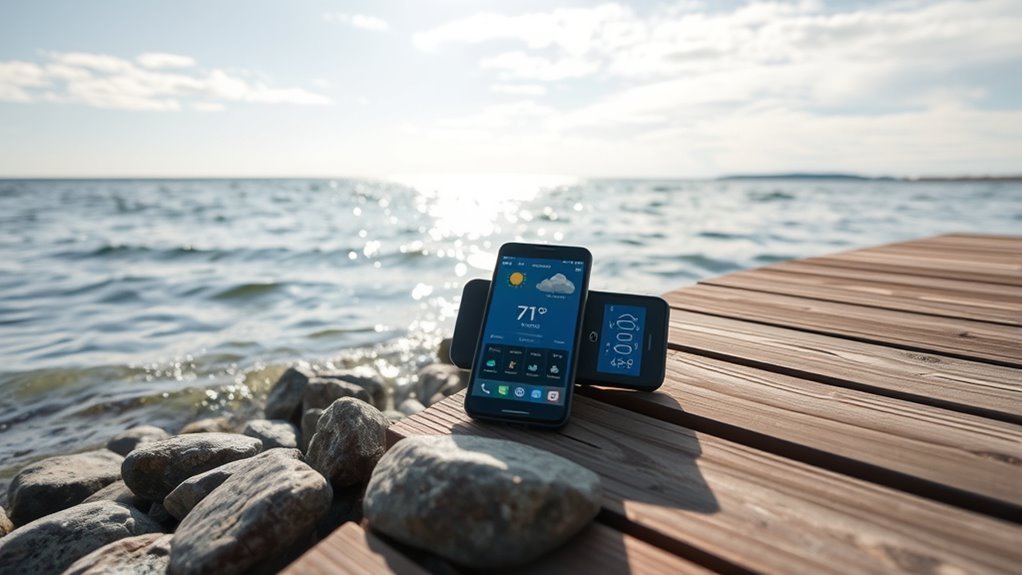
Before you swim in Lake Superior, always check the weather forecast to avoid sudden storms or strong winds that can make conditions dangerous quickly. Weather can change fast, and being caught off guard puts you at serious risk.
Use reliable sources like local weather apps or NOAA updates to stay informed.
Here’s a quick guide to what weather signs mean for your swim plans:
| Weather Condition | Swimming Safety Tip |
|---|---|
| Clear skies | Safe to swim, stay cautious |
| Windy (15+ mph) | Avoid swimming, rough water |
| Thunderstorms | Do not swim, seek shelter |
| Cold temperatures | Limit swim time, wear a wetsuit |
Always prioritize safety by checking conditions before you jump in.
Choose Safe and Designated Swimming Areas
Since Lake Superior’s shoreline can be unpredictable, you should always choose swimming spots that are designated and known for safety. These areas are monitored and maintained to reduce hazards like strong currents, sharp rocks, or underwater debris.
Swimming in designated zones also means quicker emergency response if needed. When picking your spot, look for:
- Clearly marked swimming zones with buoys or signs
- Beaches with lifeguards on duty
- Locations recommended by local authorities or park services
- Areas free from boat traffic and known rip currents
Use Proper Swimming Gear for Cold Water
Although Lake Superior’s cold water can be invigorating, you’ll need the right gear to stay safe and comfortable. Wearing a wetsuit or drysuit helps maintain your body heat and reduces the risk of hypothermia.
Neoprene gloves, boots, and a swim cap add extra insulation for your extremities and head, which lose heat quickly. Goggles protect your eyes from cold water irritation and improve visibility.
| Gear Item | Purpose | Tips |
|---|---|---|
| Wetsuit | Keeps body warm | Choose 5mm+ thickness |
| Swim Cap | Insulates head | Use neoprene for best warmth |
| Gloves | Protect hands | Fit snugly but not tight |
| Boots | Keep feet warm | Wear with wetsuit for full protection |
Use this gear to enjoy Lake Superior safely.
Swim With a Buddy or Group
Wearing the right gear helps you stay warm, but swimming in Lake Superior still carries risks that are easier to handle with others around. Swimming with a buddy or group boosts your safety and confidence, especially in cold, unpredictable waters.
You can watch out for each other, share the load if someone gets tired, and quickly respond to emergencies.
Plus, swimming with others makes the experience more enjoyable and motivating.
Remember these key points when swimming with others:
- Always stay within sight of your group members
- Agree on signals or calls for help before entering the water
- Keep pace with the slowest swimmer to avoid separation
- Have a designated spot for regrouping after laps or swims
Swimming together helps you stay safer and more aware.
Inform Someone About Your Swimming Plans
Before you head out to swim, make sure you inform someone about your plans, including where you’ll be swimming and how long you expect to be in the water. This simple step guarantees someone can alert authorities if you don’t return on time.
Choose a reliable contact who understands the risks of Lake Superior’s cold waters and currents.
| What to Tell Them | Why It’s Important |
|---|---|
| Location of swim | So they know where to look |
| Estimated swim duration | Helps identify if you’re overdue |
| Swimming companions | To understand group size and safety |
| Emergency contact info | For quick communication if needed |
Keeping someone informed adds a layer of safety and peace of mind during your Lake Superior swim.
Know How to Handle Sudden Changes in Weather
Since Lake Superior’s weather can shift quickly, you need to stay alert and be ready to adjust your plans at a moment’s notice. If dark clouds roll in or the wind picks up, don’t hesitate to get out of the water immediately. Keep an eye on the sky and listen for changes in wind direction or strength.
Always have a plan to reach shelter quickly if a storm approaches.
To handle sudden weather changes safely:
- Check the local forecast before entering the water.
- Watch for visual signs like darkening skies or choppy waves.
- Set a time limit for your swim to avoid being caught off guard.
- Have a nearby safe spot in mind to retreat to quickly.
Being prepared lets you enjoy swimming while staying safe in unpredictable weather.
Learn Basic Water Rescue and Safety Techniques
Although you hope never to face an emergency, knowing basic water rescue and safety techniques can make all the difference if someone gets into trouble while swimming in Lake Superior. Start by learning how to recognize distress signals, such as flailing arms or gasping for air.
Always keep a rescue device like a life ring or rope nearby. If you spot someone struggling, call for help immediately before attempting a rescue yourself. Approach calmly, and avoid putting yourself at risk by entering the water recklessly.
Instead, extend a flotation device or reach out with a stick or pole to pull them in. Knowing CPR and how to perform it correctly will also prepare you to assist if breathing or heartbeat stops. Being prepared can save lives.
Respect Wildlife and Natural Environment Around the Lake
Knowing how to stay safe in the water is important, but so is protecting the wildlife and natural environment around Lake Superior. When you swim here, you’re sharing the space with diverse animals and fragile ecosystems.
Staying safe in the water means also respecting the wildlife and fragile ecosystems of Lake Superior.
Respecting them helps preserve this beautiful area for everyone.
Always follow these guidelines:
- Avoid disturbing or feeding wildlife; it disrupts their natural behavior.
- Stay on designated paths and swim in marked areas to minimize habitat damage.
- Carry out all trash and avoid using harmful sunscreens that can pollute the water.
- Observe wildlife from a distance; don’t attempt to touch or chase animals.
Frequently Asked Questions
What Are the Best Times of Year to Swim in Lake Superior?
You’ll find the best times to swim in Lake Superior during late summer, especially July and August, when water temperatures are highest and weather is calmer. Early fall can also work but expect cooler water and more unpredictable conditions.
Are There Any Health Benefits to Swimming in Cold Lake Water?
You might not expect it, but yes, cold lake water swimming boosts your circulation and strengthens your immune system.
Plus, it can reduce inflammation and improve your mood. Just make sure you ease into it safely.
How Deep Is Lake Superior at Popular Swimming Spots?
At popular swimming spots, Lake Superior’s depth varies widely; some areas are shallow around 10-20 feet, while others drop quickly to over 100 feet.
Always check local info before swimming to stay safe and aware.
Can You Fish While Swimming in Lake Superior?
Yes, you can fish while swimming in Lake Superior, but it’s safer to keep your gear secure and be aware of currents. Always follow local regulations and respect other swimmers to guarantee everyone stays safe and enjoys the water.
What Should I Do if I Encounter a Boat While Swimming?
If you encounter a boat while swimming, stay calm and signal clearly by waving your arm.
Move toward the shore or away from the boat’s path to guarantee the operator sees you and avoids any accidents.
Conclusion
Swimming in Lake Superior can be an unforgettable experience, but you’ve got to respect its power and chill. By understanding the cold water, checking weather, and choosing safe spots, you’ll keep yourself protected. Always tell someone your plans and be ready for sudden changes—because the lake doesn’t wait.
Remember, Lake Superior is beautiful but unpredictable, like a silent guardian watching over you. Swim smart, stay safe, and let the lake’s majesty inspire caution and awe. Swimming safely in Lake Superior means respecting its conditions and preparing well to enjoy its natural beauty without risk.