Using Swimming for Good Gluteal Tendinopathy Recovery
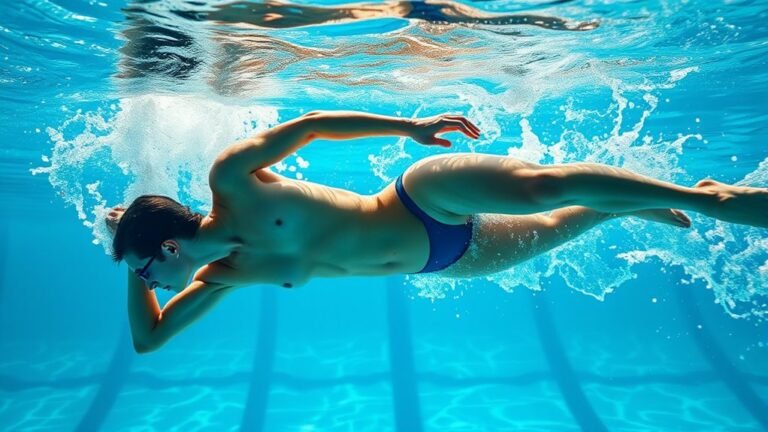
You can use swimming to aid your gluteal tendinopathy recovery by choosing low-impact strokes like backstroke or controlled freestyle that reduce hip stress. Swimming gently engages your muscles and boosts blood flow without overloading your tendons.
Avoid strokes with wide leg movements or intense kicking, and keep your motions smooth and gradual to prevent pain. Starting slow and monitoring symptoms helps ensure progress.
Keep exploring to discover how to build a safe, effective swim routine that supports healing.
Understanding Gluteal Tendinopathy
Although you mightn’t realize it, gluteal tendinopathy is a common cause of hip pain that results from overuse or injury to the tendons connecting your gluteal muscles to the hip bone.
When these tendons become irritated or damaged, you’ll likely experience pain on the outside of your hip, especially when walking, climbing stairs, or lying on that side.
You might notice stiffness or weakness, making everyday activities tougher.
This condition often develops gradually due to repetitive stress rather than a sudden injury.
If you ignore early symptoms, the pain can worsen and limit your mobility.
Understanding what triggers gluteal tendinopathy helps you avoid aggravating activities and seek appropriate treatments to promote healing and restore function effectively.
Benefits of Swimming for Tendon Health
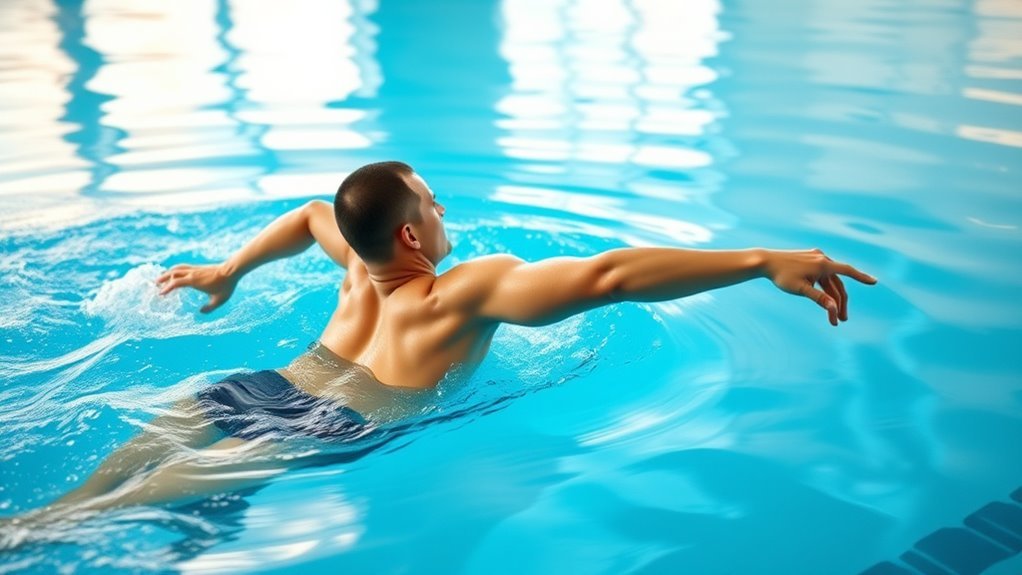
Managing gluteal tendinopathy means finding activities that promote healing without adding stress to your hip. Swimming offers a low-impact environment, reducing strain on your tendons while still allowing you to stay active.
The buoyancy of water supports your body weight, which helps minimize pressure on the gluteal tendons during movement. Plus, the gentle resistance of water encourages muscle engagement, improving blood flow and promoting tendon repair without overloading the tissue.
Regular swimming can also enhance your overall joint mobility and flexibility, which supports tendon health and reduces stiffness.
Choosing the Right Swimming Strokes

When selecting swimming strokes for gluteal tendinopathy recovery, you’ll want to focus on those that minimize hip strain while maximizing muscle engagement. The backstroke is an excellent choice because it keeps your hips stable and avoids excessive rotation, reducing stress on the gluteal tendons.
Freestyle is also beneficial, but be cautious with your kicking technique. Use gentle, controlled kicks to prevent aggravation. Avoid breaststroke and butterfly since their wide leg movements and sudden hip motions can increase tendon stress.
Instead, concentrate on smooth, steady strokes that promote circulation and help strengthen the surrounding muscles without causing pain.
Techniques to Avoid Aggravating Symptoms
To prevent worsening your gluteal tendinopathy symptoms, you need to pay close attention to your swimming form and intensity. Avoid sudden bursts of speed or overexertion, as these can strain your gluteal tendons.
Focus on smooth, controlled movements, keeping your hips stable to reduce excess stress. Avoid strokes that cause sharp pain or discomfort, especially those involving heavy hip rotation or kicking.
Gradually increase your swimming duration and intensity to allow your tendons to adapt. Listen to your body. If you feel persistent pain during or after swimming, stop and rest.
Incorporate proper warm-ups and cool-downs to prepare your muscles and tendons. Staying mindful of these techniques helps you swim safely and promotes effective recovery from gluteal tendinopathy.
Creating a Swimming-Based Rehabilitation Plan
Although recovery timelines vary, you can design a swimming-based rehabilitation plan that gradually rebuilds strength and flexibility in your gluteal tendons.
Start with low-impact strokes like backstroke or freestyle, focusing on smooth, controlled movements to avoid sudden strain.
Begin with gentle strokes such as backstroke or freestyle, emphasizing smooth, controlled motions to prevent sudden strain.
Begin with short sessions, about 10-15 minutes, and slowly increase duration and intensity as your comfort improves.
Incorporate gentle kicking with a kickboard to isolate your leg muscles without overloading your tendons.
Pay close attention to pain signals, and pause or modify exercises if discomfort arises.
Include rest days to promote healing and prevent overuse.
Regularly assess your progress and adjust your routine accordingly, ensuring you challenge your muscles safely.
Staying consistent with this plan will support effective recovery while minimizing setbacks.
Combining Swimming With Other Therapies
Since swimming provides low-impact exercise that supports tendon healing, combining it with other therapies can enhance your recovery from gluteal tendinopathy.
You can incorporate targeted strength training to improve muscle support around the hip, which helps reduce tendon strain.
Physical therapy sessions focusing on manual therapy and stretching can relieve tightness and improve mobility.
Additionally, applying ice or heat after swimming can ease inflammation and discomfort.
Don’t overlook proper footwear and posture adjustments to minimize stress during daily activities.
By blending swimming with these complementary treatments, you address multiple factors contributing to your condition, speeding up healing.
Always coordinate with your healthcare provider to tailor the combination to your specific needs and avoid overloading your tendons as you progress.
Monitoring Progress and When to Seek Help
Combining swimming with other therapies lays a strong foundation for your recovery, but keeping track of how your body responds is just as important. Pay close attention to any changes in pain, stiffness, or mobility during and after your swimming sessions.
Use a journal or app to record your symptoms, noting improvements or setbacks. If your pain worsens or doesn’t improve after several weeks, don’t hesitate to consult your healthcare provider. They can reassess your condition and adjust your treatment plan if needed.
Frequently Asked Questions
Can Swimming Prevent Gluteal Tendinopathy in Athletes?
Yes, swimming can help prevent gluteal tendinopathy by reducing joint stress and strengthening muscles without impact.
If you swim regularly and maintain proper technique, you’ll lower your injury risk and support tendon health effectively.
How Long Does It Take to Recover Fully Using Swimming?
You can expect full recovery using swimming to take about 6 to 12 weeks, depending on severity. Keep consistent with low-impact exercises, listen to your body, and gradually increase intensity to avoid setbacks.
Swimming is gentle on the joints and muscles, making it an ideal low-impact exercise during recovery. Remember to start slowly and increase your swimming duration and intensity as your strength improves.
Always consult with a healthcare professional before beginning any new exercise regimen to ensure it aligns with your specific recovery needs.
Are There Specific Warm-Up Exercises Before Swimming for Tendinopathy?
Wondering if you need specific warm-ups before swimming? Yes, you should do gentle hip circles, leg swings, and glute activation exercises to prepare your muscles.
Warming up reduces strain and helps you swim safely and effectively.
Does Water Temperature Affect Gluteal Tendon Healing During Swimming?
Yes, cooler water can reduce inflammation, while warmer water helps relax muscles and improve blood flow.
You should choose a comfortable temperature that eases pain without causing stiffness during your swimming sessions for better healing.
Can Swimming Cause Other Types of Hip Injuries During Recovery?
Yes, swimming can cause other hip injuries if you overuse certain muscles or use improper technique. You should focus on balanced movements and listen to your body to avoid strain or aggravating existing issues during recovery.
Conclusion
If you plunge into swimming for your gluteal tendinopathy recovery, you might just feel like a superhero bouncing back faster than ever! With the right strokes and careful techniques, you’re not only healing but turning your tendons into unstoppable powerhouses.
Stick to your plan, combine therapies smartly, and watch your progress soar. Ignore the signs, and you could be stuck limping forever—so swim smart and reclaim your strength like a champion!
Using swimming for good gluteal tendinopathy recovery can accelerate healing and improve tendon health. Incorporate swimming into your rehabilitation routine to boost your recovery effectively.