10 Steps to Build a Natural Swimming Pool in Australia
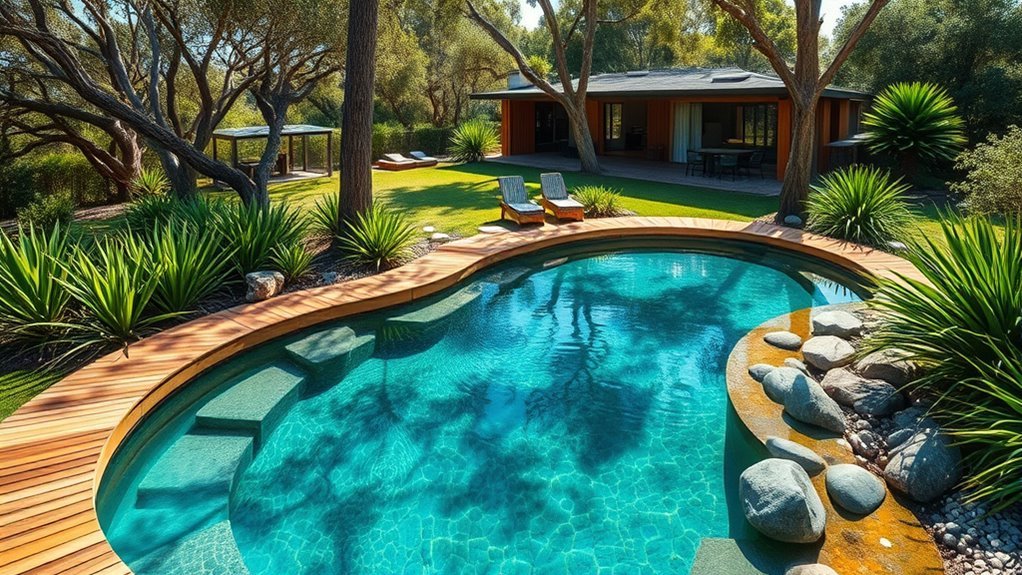
To build a natural swimming pool in Australia, start by evaluating your site’s soil and selecting a sunny, sheltered location. Designing your pool layout with separate swimming and regeneration zones is essential for effective natural filtration. Incorporate eco-friendly features to ensure sustainability and harmony with the environment.
Excavate and install an eco-friendly waterproof lining to retain water without harmful chemicals. Then, set up a pump and natural filtration system that mimics natural processes. Plant native aquatic vegetation to filter and oxygenate the water naturally, promoting a healthy ecosystem.
Gradually fill your pool while monitoring water balance closely to maintain optimal conditions. Regularly maintain the ecosystem’s health by checking water quality and plant vitality. With these basics, you’re well on your way to creating a sustainable aquatic haven, and there’s much more to explore.
Assess Your Site and Soil Conditions
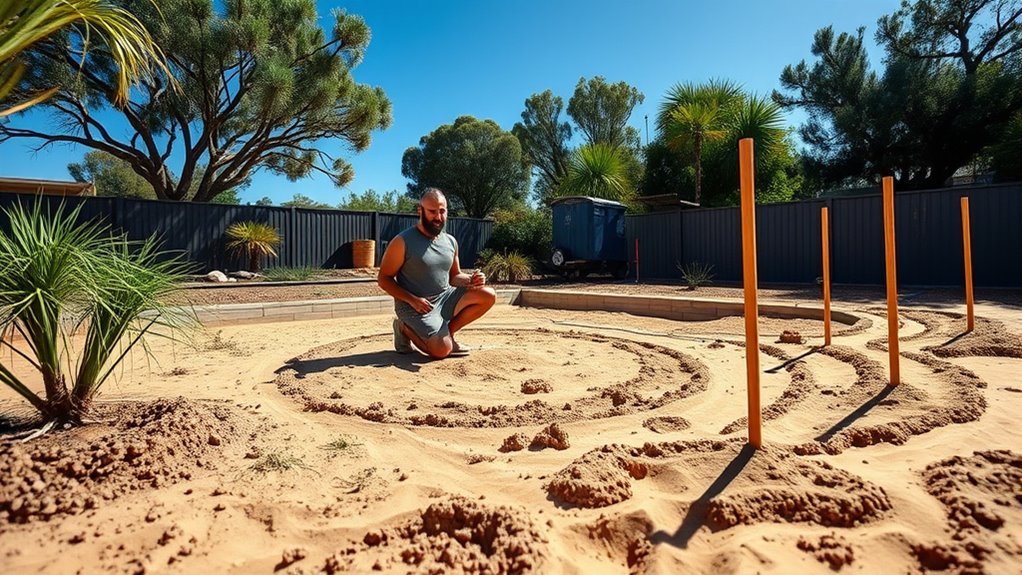
Before you begin building your natural swimming pool, assess your site and soil conditions thoroughly.
Start by checking the soil type: clay holds water well, while sandy soil drains quickly, which could affect your pool’s water retention.
Look for natural slopes or depressions; these can help with water flow and filtration.
Make certain the area gets enough sunlight, as plants in the regeneration zone need it to thrive.
Avoid sites near large trees to prevent root intrusion and excessive leaf litter.
Also, check for underground utilities or drainage issues that could complicate construction.
Design Your Natural Swimming Pool Layout
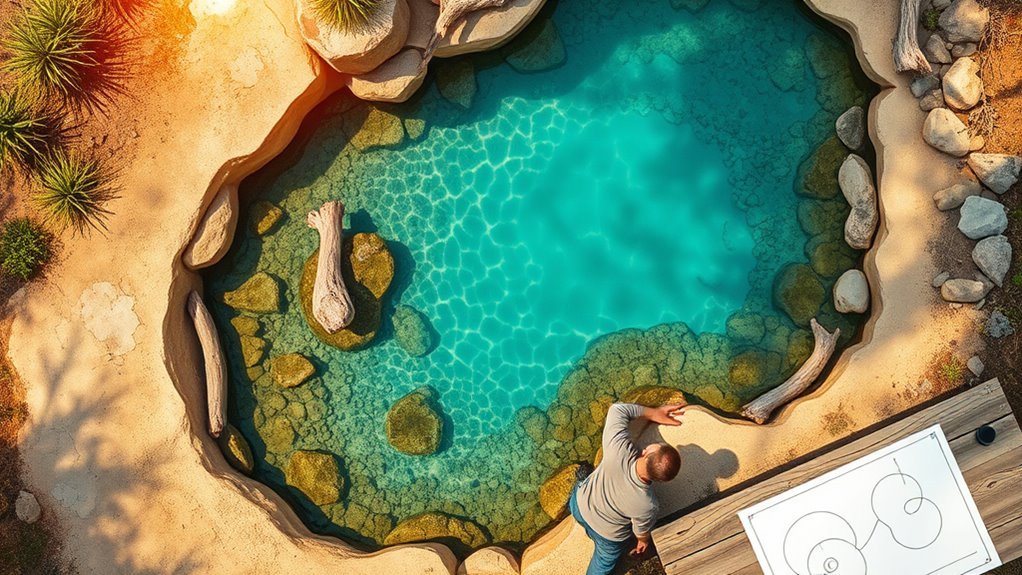
When designing your natural swimming pool layout, you’ll want to balance aesthetics with functionality to create a harmonious and efficient space. Start by sketching the pool’s shape and size, considering how it will fit your property and lifestyle.
Incorporate a regeneration zone, where aquatic plants will naturally filter the water. Plan pathways for easy access and maintenance, and think about integrating seating or lounging areas nearby.
Use natural contours to enhance water flow and avoid sharp angles that disrupt circulation. Remember to allocate space for the mechanical equipment if you plan to use a pump system.
Choose the Right Location for Sunlight
Since sunlight plays a crucial role in maintaining water temperature and supporting plant growth, you’ll want to select a location that gets ample sun throughout the day. Aim for a spot that receives at least six to eight hours of direct sunlight.
Choose a location with at least six to eight hours of direct sunlight daily for optimal water temperature and plant growth.
Avoid heavily shaded areas under large trees or buildings, as they reduce sunlight exposure and can drop leaves into your pool, complicating maintenance.
Consider the sun’s path across seasons to ensure consistent light, especially in winter when sunlight is weaker.
Also, think about wind direction; placing your pool in a sunny, sheltered area can help maintain warmth.
Select Appropriate Plants for Filtration
Although selecting plants might seem straightforward, choosing the right ones is essential to keep your natural swimming pool clean and balanced. You want to pick plants that naturally filter the water by absorbing nutrients and providing oxygen.
Consider native aquatic plants like water lilies, cattails, and reeds. They thrive in Australian climates and help reduce algae growth.
Floating plants such as water lettuce offer shade, limiting sunlight that algae need.
Submerged plants like hornwort oxygenate the water and support beneficial bacteria.
Make sure to avoid invasive species that can disrupt your pool’s ecosystem.
Plan the Pool and Regeneration Zones
To create an effective natural swimming pool, you need to meticulously plan the pool and regeneration zones to guarantee proper water circulation and filtration. The pool zone is where you swim, while the regeneration zone houses plants that naturally clean the water.
Position these zones side by side to enable smooth water flow.
Keep the regeneration zone around 30-50% of the total pool area. Ensure the zones have varying depths to support diverse aquatic plants.
Consider these key points when planning:
- Optimize the shape for natural water movement
- Separate swimming and plant zones clearly
- Incorporate shallow shelves for plants to thrive
- Plan for easy access to both zones for maintenance
- Use natural materials for edging to blend with the environment
Proper planning now guarantees a healthy, self-sustaining pool later.
Excavate and Shape the Pool Basin
When you start excavating the pool basin, focus on creating the precise shape and depth outlined in your plan. Use appropriate equipment like an excavator or shovel to carefully remove soil, keeping the edges smooth and even.
Make sure to maintain the slope needed for water circulation and safety. As you dig, frequently check measurements to ensure accuracy, especially around the regeneration zones.
Dispose of excess soil responsibly or use it to shape the surrounding landscape. Take your time to avoid damaging underground utilities or root systems.
Proper excavation sets the foundation for a stable, functional natural pool, so precision here prevents costly fixes later.
Once the basin matches your design, you’re ready to move on to installing the lining and waterproofing materials.
Install Lining and Waterproofing Materials
Since the basin is now shaped, you’ll need to install a durable lining to prevent water from seeping into the ground. Start by choosing a suitable liner material like EPDM rubber or PVC, both flexible and long-lasting.
Before laying it down, smooth the basin surface and remove sharp debris to avoid punctures.
You’ll also want to install a protective underlay beneath the liner for extra cushioning.
Keep in mind these key steps:
- Clean and smooth the excavation surface thoroughly
- Lay a geotextile underlay for protection
- Unroll and fit the liner carefully to the basin shape
- Seal all seams and edges with waterproof adhesive or tape
- Inspect for any wrinkles or gaps, adjusting as needed
This ensures a watertight, stable pool base ready for the next phase.
Set Up the Circulation and Filtration System
With the basin securely lined and waterproofed, you can now focus on setting up the circulation and filtration system that keeps your natural swimming pool clean and healthy. Begin by installing a pump that draws water from the swimming area to the filtration zone, promoting constant water movement. Use energy-efficient pumps to reduce power consumption.
Next, set up mechanical filters to remove debris and sediment, preventing buildup in your pool. Incorporate biological filters or biofilters, which use beneficial bacteria to break down organic matter and maintain water clarity.
Position the return outlets strategically to ensure even water circulation, avoiding stagnant zones.
Finally, connect all components using durable, leak-proof piping. This system will work silently, continuously cleaning your pool without chemicals, ensuring a natural, safe swimming environment.
Plant the Regeneration Zone With Aquatic Vegetation
Before your natural swimming pool can truly thrive, you’ll need to plant the regeneration zone with the right aquatic vegetation. These plants filter the water naturally, absorb excess nutrients, and provide habitat for beneficial microorganisms. Choose species that suit your local climate and water conditions.
Consider mixing submerged, floating, and marginal plants to maximize filtration and biodiversity.
Focus on:
- Water lilies for shade and algae control
- Cattails to stabilize soil and absorb nutrients
- Horsetail for oxygenation and filtration
- Pickerel weed for habitat and aesthetic appeal
- Hornwort as a submerged oxygenator
Planting strategically ensures your regeneration zone supports a balanced ecosystem, helping your pool maintain clear, healthy water without chemicals.
Fill the Pool and Establish Water Balance
Once you’ve planted the regeneration zone, it’s time to fill the pool and get the water chemistry right. Begin by slowly filling the pool with water to avoid disturbing the plants and substrate. Use a hose with a diffuser or place a bucket at the bottom to lessen the impact.
As the pool fills, test the water’s pH, hardness, and nutrient levels. Aim for a pH between 6.5 and 7.5 and balanced hardness to support aquatic life.
Avoid chemicals; instead, rely on natural methods to adjust the balance.
You might add beneficial bacteria to kickstart the ecosystem. Regularly monitor the water during the first few weeks to guarantee it stabilizes. Establishing a healthy water balance is vital for clear, safe swimming and a thriving natural pool.
Frequently Asked Questions
Are Natural Swimming Pools Safe for Children and Pets?
Yes, natural swimming pools can be safe for children and pets if you maintain proper filtration, supervise them closely, and guarantee the design minimizes deep areas.
Regular maintenance keeps the water clean and reduces health risks.
What Is the Average Maintenance Cost of a Natural Swimming Pool?
Coincidentally, you’ll spend around $500 to $1,500 annually maintaining a natural pool.
You’ll save on chemicals but invest time cleaning filters and managing plants to keep your pool crystal clear and eco-friendly without harsh treatments.
Can Natural Swimming Pools Be Used Year-Round in Australia?
Yes, you can use natural swimming pools year-round in Australia, especially in milder climates. You might need a heater during cooler months, but with proper design and maintenance, your pool stays enjoyable all seasons.
Choosing the right plants and filtration system helps maintain water quality throughout the year. In colder regions, additional insulation or covers can extend the swimming season. Regular upkeep ensures the pool remains clean and inviting regardless of the season.
How Long Does It Take for the Pool to Become Fully Balanced?
Like waiting for spring’s full bloom, it usually takes about 3 to 6 months for your natural pool to become fully balanced.
You’ll see the water clear as the ecosystem settles into harmony and life thrives.
Are There Any Government Regulations or Permits Required in Australia?
Yes, you’ll need permits and must adhere to local council regulations in Australia. Requirements vary by state and territory, so check with your local council early to guarantee compliance before starting your natural swimming pool project.
Conclusion
Now that you’ve got your natural swimming pool all set up, you’re ready to plunge into a revitalizing oasis that’s as timeless as a knight’s quest. By following these steps, you’ll create a beautiful, eco-friendly retreat right in your backyard, blending nature and relaxation perfectly.
So grab your goggles, channel your inner adventurer, and enjoy the crystal-clear water that connects you to both the past and the present.
Happy swimming in your eco-friendly natural swimming pool, where sustainable design meets the beauty of nature in Australia!