Why Is My Swimming Pool Water Cloudy?
Your swimming pool water is cloudy because particles like dirt, algae, or minerals are overwhelming your filtration and chemical treatments. Cloudy pool water often results from imbalanced chlorine or pH levels, which allow bacteria and algae to grow and make the water hazy.
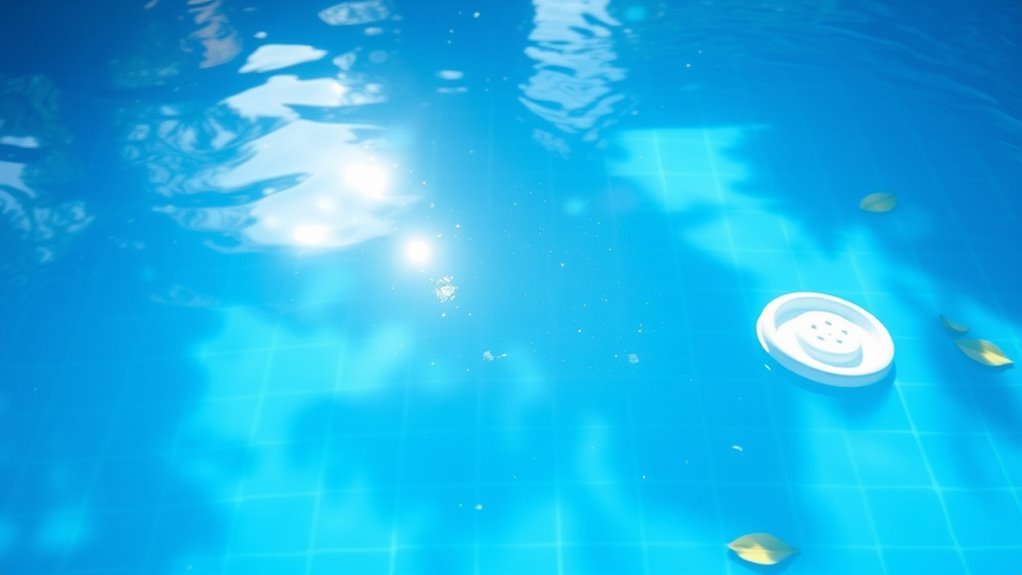
A clogged or inefficient filter won’t clear out debris properly, further contributing to the problem. Outdoor factors like leaves and pollen can also add to the cloudiness.
Keep your pool system balanced and clean to maintain clear water. You’ll find plenty more tips to restore crystal-clear swimming pool water and enjoy a sparkling pool all season long.
Common Causes of Cloudy Pool Water
Although it might seem clear at first, several factors can quickly turn your pool water cloudy. One common cause is poor filtration. If your pool filter isn’t working properly or runs too briefly, it won’t remove tiny particles effectively.
Another culprit is debris like leaves, dirt, or pollen, which can accumulate and create a hazy appearance. Algae growth, especially in warmer weather, also clouds water by introducing microscopic organisms.
Debris such as leaves and pollen, along with algae growth, can quickly make pool water appear cloudy.
Additionally, high calcium hardness levels lead to mineral buildup, making water look milky.
Finally, heavy swimmer load or recent pool use stirs up dirt and oils, overwhelming your cleaning system.
The Role of Pool Chemicals in Water Clarity
Since you rely on chemicals to keep your pool clean, understanding how they affect water clarity is vital. When chlorine levels drop, bacteria and algae can grow, causing cloudy water.
On the other hand, using too much chlorine or shock treatments can also lead to haziness. Balancing pH is essential because if it’s too high or too low, chlorine becomes less effective, allowing contaminants to accumulate.
Algaecides and clarifiers play a role too. Algaecides prevent algae blooms, while clarifiers help gather tiny particles so they can be filtered out.
Regularly testing and adjusting your pool’s chemical levels ensures that water remains clear and inviting. Without this careful balance, you’ll struggle to maintain crystal-clear water, no matter how often you clean.
How Filtration Impacts Pool Water Quality
If you want clear pool water, you need a filtration system that works efficiently. Your pool filter traps dirt, debris, and microscopic particles that cloud the water, keeping it sparkling.
When the filter gets clogged or isn’t running long enough, those contaminants stay suspended, making the water look murky. You should run your filter daily for at least 8-12 hours, depending on pool usage and size.
Also, regularly backwash or clean your filter to maintain peak performance. Remember, even the best pool chemicals can’t do all the work if your filtration system isn’t removing physical impurities.
Environmental Factors That Affect Pool Water
When you spend time outdoors, your pool water naturally collects leaves, pollen, and dust that can cloud its clarity. These environmental factors introduce organic matter and particles, making your water look murky.
Weather also plays a role; rain can dilute chemicals, while wind stirs up debris. Nearby plants shed pollen and leaves, increasing contaminants.
| Environmental Factor | Impact on Pool Water |
|---|---|
| Leaves & Pollen | Adds organic debris |
| Wind & Dust | Introduces fine particles |
| Rain & Humidity | Alters chemical balance |
Understanding these factors helps you anticipate and manage cloudy water, keeping your pool inviting and clear.
Steps to Clear Up Cloudy Pool Water
Although cloudy pool water can be frustrating, you can restore its clarity by following a few straightforward steps. First, test and balance your pool’s pH, alkalinity, and chlorine levels to ensure they’re within the recommended range.
Next, run your pool filter continuously for at least 24 hours to help remove suspended particles.
You might also consider shocking the pool with a chlorine shock treatment to kill bacteria and algae causing the cloudiness.
Don’t forget to brush and vacuum the pool to eliminate debris.
If cloudiness persists, use a pool clarifier to bind tiny particles together, making them easier for the filter to trap.
Frequently Asked Questions
How Often Should I Test My Pool Water’s Ph Levels?
You should test your pool water’s pH levels at least twice a week, especially during heavy use or hot weather. Regular checks help you keep the water balanced, preventing issues and ensuring a safe, enjoyable swim.
Can Cloudy Pool Water Cause Skin Irritation?
Yes, cloudy pool water can cause skin irritation because it often indicates imbalanced chemicals or contaminants.
You should regularly test and adjust your pool’s pH and sanitizer levels to keep the water safe and comfortable for your skin.
What Is the Best Pool Filter Type for Preventing Cloudiness?
You’ll want a DE (diatomaceous earth) filter because it traps the tiniest particles, keeping your water crystal clear. Cartridge filters work well too, but sand filters might let some cloudiness slip through.
How Long Does It Take for a Pool to Clear After Treatment?
It usually takes 24 to 48 hours for your pool to clear after treatment. You’ll want to run your filter continuously and brush the walls to speed up the process and help remove suspended particles effectively.
Are There Natural Remedies to Maintain Clear Pool Water?
You can use natural remedies like adding barley straw, which releases enzymes that reduce algae growth by 70%.
You’ll also want to regularly skim debris and maintain proper pH levels to keep your pool sparkling clear.
Conclusion
Now that you know what can cause cloudy pool water, you’re ready to tackle the problem head-on. Don’t let a murky pool rain on your parade—balancing chemicals, maintaining your filter, and keeping an eye on environmental factors will clear things up in no time.
Remember, a little elbow grease goes a long way. With proper pool maintenance and regular water testing, you’ll be swimming in crystal-clear water that’s as inviting as a gust of fresh air. Addressing cloudy pool water quickly ensures your swimming pool stays clean, safe, and enjoyable all season long.