When Can You Go Swimming After a Tattoo?
You should wait at least two to four weeks before going swimming after getting a tattoo to make certain it heals properly. Fresh tattoos are vulnerable to bacteria in pools, lakes, and oceans, which can cause infection and irritation. Chlorine and saltwater also dry out your skin and fade ink, while soaking may weaken scabs and lead to scarring.
Wait until your skin is smooth and no longer tender before diving in. There’s more to know about protecting your new ink.
Understanding the Tattoo Healing Process
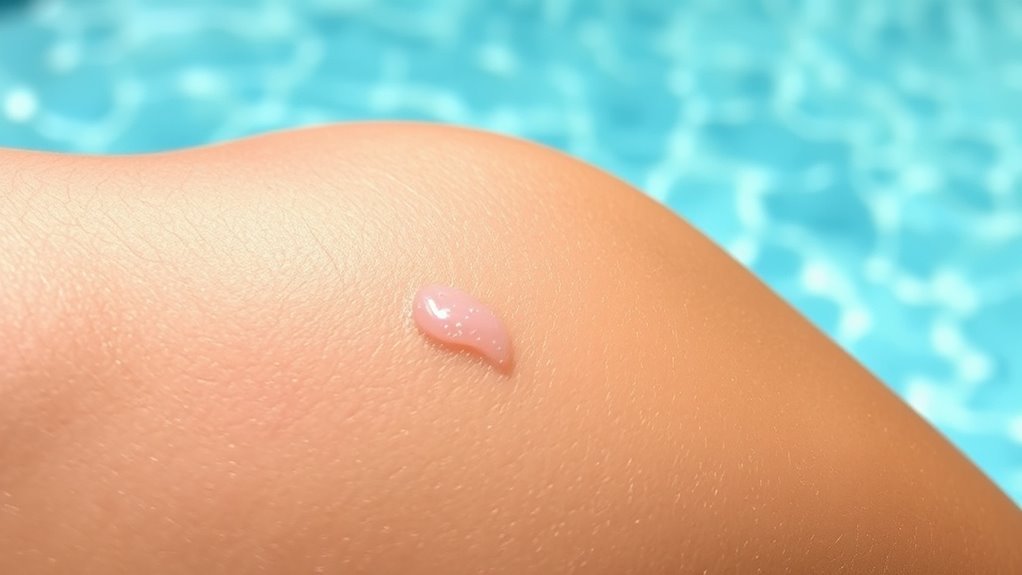
Although getting a tattoo is exciting, understanding how your skin heals afterward is essential to proper care. When you get tattooed, your skin undergoes a controlled injury, triggering a healing process that typically lasts two to four weeks.
During this time, your body forms a protective scab while new skin cells regenerate underneath. You’ll notice peeling, itching, and some redness—these are normal signs your skin is repairing itself.
Protective scabs form as new skin grows, with peeling, itching, and redness signaling natural healing.
It’s vital to keep the tattoo clean and moisturized but avoid picking at scabs or scratching, as that can cause scarring or color loss.
By respecting your skin’s healing timeline and following proper aftercare, you help your tattoo look vibrant and prevent complications.
This foundation sets the stage for safe activities, like swimming, later on.
Risks of Swimming Too Soon After Getting a Tattoo
If you go swimming before your tattoo has fully healed, you expose your skin to bacteria and irritants that can cause infection. Pools, lakes, and oceans harbor germs that can easily enter the open skin, leading to redness, swelling, pain, or even pus.
Chlorine and saltwater can also irritate your fresh tattoo, slowing down the healing process and causing excessive dryness or peeling.
Additionally, prolonged soaking can weaken scabs, increasing the risk of scarring or color fading.
By ignoring these risks and jumping into the water too soon, you put your tattoo’s appearance and your health in jeopardy.
It’s best to keep your tattoo dry and clean during the vital early healing phase to avoid complications and ensure vibrant, long-lasting results.
Recommended Waiting Period Before Swimming
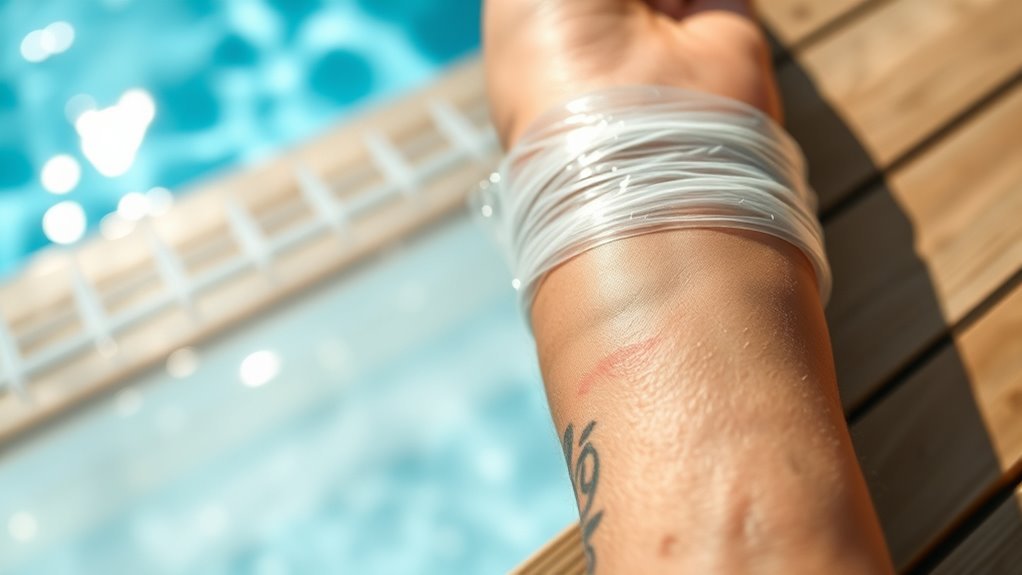
Since your tattoo needs time to heal properly, you should wait at least two to four weeks before swimming. This period allows your skin to close up completely, reducing the risk of infection and damage.
Allow at least two to four weeks before swimming to ensure your tattoo heals fully and avoids infection.
Healing times vary depending on tattoo size, placement, and your skin type, so pay attention to your body’s signals. Avoid rushing back into pools, lakes, or oceans during this time.
If your tattoo still scabs, peels, or feels tender, give it more time.
Once the skin looks smooth, and you no longer experience irritation or sensitivity, it’s usually safe to swim.
Always follow your tattoo artist’s aftercare advice, as they know your tattoo best.
Waiting patiently ensures your tattoo heals beautifully and stays vibrant for years.
Effects of Chlorinated Water on a Fresh Tattoo
When you expose a fresh tattoo to chlorinated water, the chemicals can irritate your sensitive skin and slow down the healing process. Chlorine is a strong disinfectant that can strip away natural oils and cause dryness, leading to itching and flaking around your new tattoo.
This irritation increases the risk of scabbing or even infection if bacteria enter damaged skin. Additionally, chlorine can fade the ink, dulling your tattoo’s vibrancy before it fully settles.
To protect your tattoo, avoid swimming pools, hot tubs, or any chlorinated water bodies for at least two to three weeks. Instead, keep your tattoo clean and dry, following your artist’s aftercare instructions carefully to ensure proper healing and long-lasting color.
Impact of Saltwater on Tattoo Healing
Although saltwater is natural, it can still irritate your fresh tattoo and delay healing. The salt content can dry out your skin, causing discomfort and increasing the risk of scabbing or peeling.
When your tattoo is new, the skin is fundamentally an open wound, so exposing it to saltwater can introduce bacteria and contaminants, raising the chance of infection.
Additionally, the abrasive nature of sand in the ocean combined with saltwater can cause friction, further aggravating the delicate skin.
To guarantee proper healing, you should avoid swimming in the ocean until your tattoo has fully closed and the skin has regenerated.
Rushing into saltwater exposure mightn’t only extend healing time but also compromise the quality of your tattoo’s appearance in the long run.
How to Protect Your Tattoo When You Swim
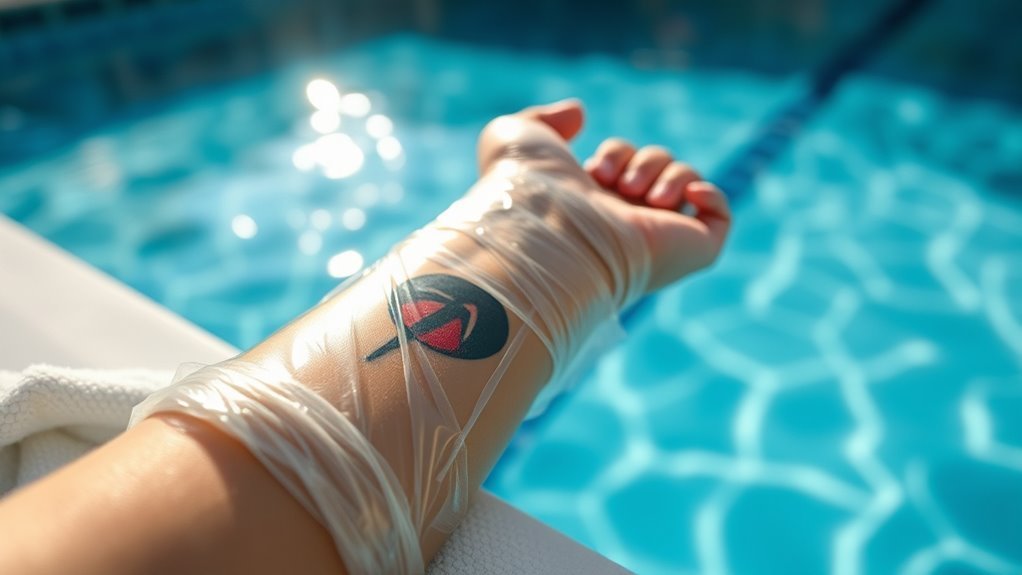
If you plan to swim before your tattoo fully heals, you need to take specific steps to protect it from water and potential infections. First, cover your tattoo with a waterproof bandage to keep out bacteria.
After swimming, gently cleanse the area with mild soap and pat dry. Avoid harsh chemicals like chlorine as much as possible, and apply a fragrance-free moisturizer to aid healing.
| Step | Action | Reason |
|---|---|---|
| Cover | Use a waterproof bandage | Prevent water and bacteria |
| Cleanse | Mild soap and pat dry | Remove contaminants gently |
| Avoid | Limit exposure to chlorine | Reduce irritation |
| Moisturize | Apply fragrance-free lotion | Promote skin healing |
Signs Your Tattoo Is Ready for Swimming
Before you dive back into swimming, you need to recognize clear signs that your tattoo has healed enough to handle water exposure. Jumping in too soon can cause infections or fading. Here’s what you should look for:
Your tattoo’s scabs have completely fallen off without any raw or shiny patches left behind.
The skin feels smooth and no longer tight or itchy.
There’s no redness, swelling, or signs of irritation around the tattoo.
The tattoo’s colors look vibrant and settled, not dull or peeling.
If these signs are present, your tattoo is likely ready for swimming. If not, keep protecting it with proper aftercare until it fully heals. Remember, patience now preserves your tattoo’s beauty later.
Alternative Activities During Tattoo Healing
Knowing when your tattoo is ready for swimming helps prevent damage and infection, but while it heals, you’ll want to find other ways to stay active and entertained.
Instead of swimming, consider low-impact exercises like walking, yoga, or stretching, which keep you moving without exposing your tattoo to water or sweat.
Reading, journaling, or exploring new hobbies can also keep your mind engaged while allowing your skin to recover fully.
If you enjoy social activities, try meeting friends for coffee or a movie rather than pool parties or beach outings.
Remember, protecting your tattoo during healing is vital, so avoid activities that might irritate or infect the area.
These alternatives help you stay productive and healthy without risking your new ink.
Tips for Maintaining Tattoo Vibrancy After Swimming
Although swimming can be invigorating, it can also fade your tattoo’s colors if you don’t take proper care afterward. To keep your tattoo vibrant, you need to protect it from harsh elements and moisture.
Right after swimming, gently rinse your tattoo with clean, lukewarm water to remove chlorine or salt.
After swimming, rinse your tattoo gently with lukewarm water to wash away chlorine and salt.
Pat it dry with a soft towel. Don’t rub. Then, apply a fragrance-free moisturizer to soothe and hydrate your skin.
Avoid prolonged sun exposure, as UV rays can dull your tattoo’s appearance.
Always shower immediately after swimming to cleanse your tattoo.
Use sunscreen once your tattoo is fully healed to prevent fading.
Stay hydrated to keep your skin healthy and your tattoo vivid.
Avoid harsh exfoliants that can strip ink from your tattoo surface.
Frequently Asked Questions
Can Sunscreen Protect My Tattoo While Swimming?
Sunscreen can help protect your tattoo from sun damage while swimming, but it won’t shield it from chlorine or saltwater irritation.
Always wait until your tattoo is fully healed before swimming to avoid infection or fading.
Does Tattoo Size Affect Healing Time Before Swimming?
You might think a small tattoo heals quickly, but size does affect healing time before swimming. Larger tattoos need more care and longer healing to avoid irritation or infection, so you shouldn’t rush into the water.
Can Tattoos Fade Faster in Hot Tubs?
Yes, tattoos can fade faster in hot tubs because the hot water and chemicals like chlorine break down ink particles and irritate your skin.
Avoid hot tubs until your tattoo is fully healed to preserve its vibrancy.
How Does Tattoo Placement Impact Swimming Recovery?
“Don’t put all your eggs in one basket.” Tattoo placement affects swimming recovery since areas constantly exposed to water or friction heal slower.
You’ll need extra care for tattoos on hands, feet, or joints to avoid irritation and fading.
Are Waterproof Bandages Effective for Swimming With Tattoos?
Waterproof bandages can help protect your tattoo from water exposure, but they’re not foolproof. You should still avoid swimming until your tattoo’s fully healed to prevent infection and fading, even if you use them.
Conclusion
You might be tempted to jump in the water right after getting your tattoo, but waiting at least 2-4 weeks is essential to avoid infection and fading. While it may feel like your tattoo looks fine early on, the skin underneath is still healing and vulnerable.
Protecting your new ink ensures it stays vibrant and healthy long-term. So, hold off on swimming a bit—you’ll thank yourself when your tattoo looks its best. Remember, waiting before you go swimming after a tattoo helps preserve the quality and appearance of your artwork.