How Long Does a Tattoo Take to Heal Before Swimming
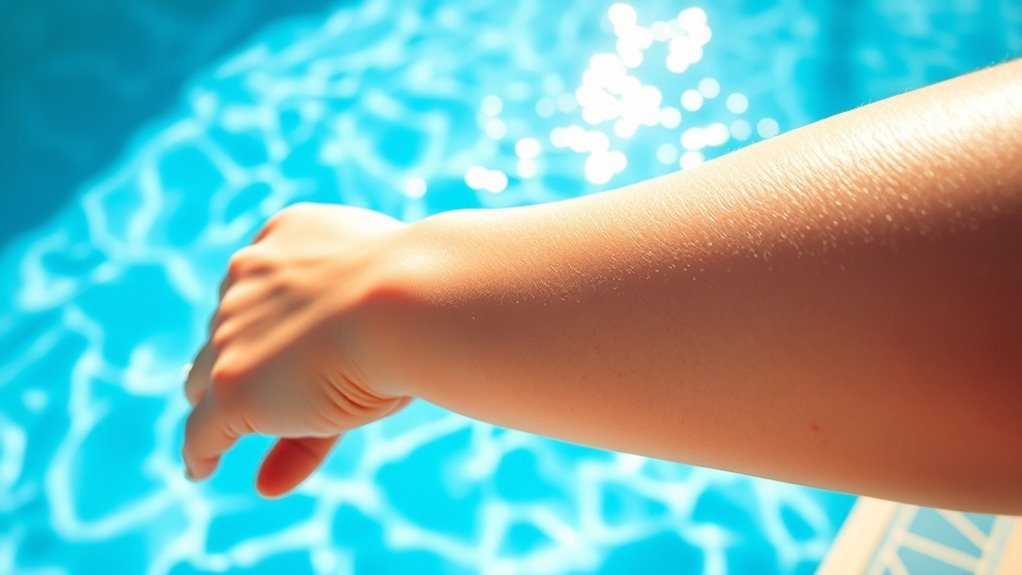
You should wait at least 2 to 4 weeks before swimming to let your tattoo heal properly. Proper tattoo healing is crucial to avoid complications like infections and ink fading. During this time, your skin needs to repair itself, scabs should fall off naturally, and redness or swelling must fade.
Swimming too soon can cause infections, ink fading, or scarring, especially if your tattoo is still open or peeling. Healing varies by size and location, so take care to protect your tattoo well.
Keep going to discover tips and signs for ideal healing.
Understanding the Tattoo Healing Process
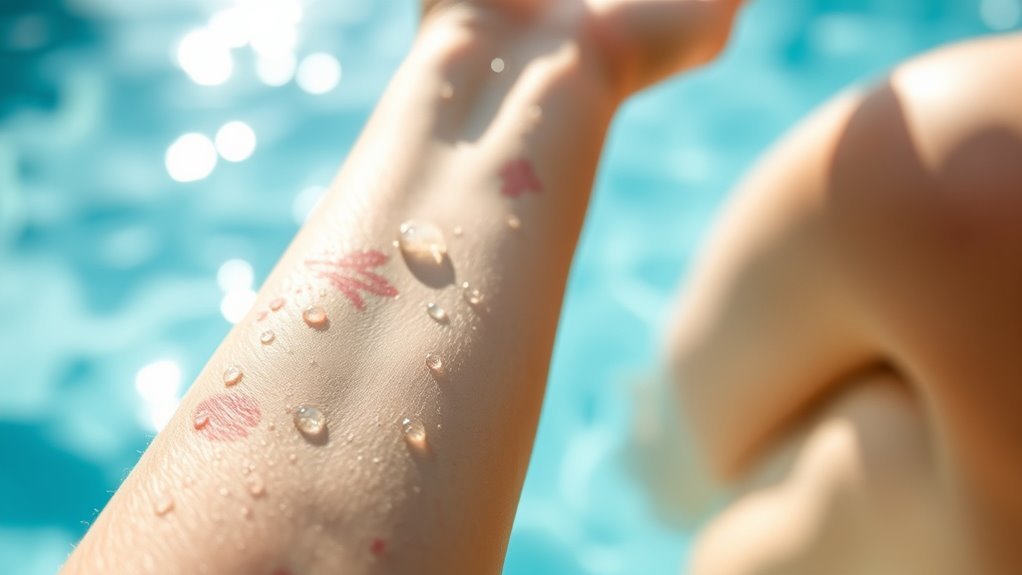
Although getting a tattoo is exciting, you need to understand how your skin heals afterward to protect your new ink properly. When you get a tattoo, your skin undergoes trauma as the needle deposits ink into the dermis layer. This triggers your body’s natural healing process, which usually takes about 2 to 3 weeks.
During this time, your skin forms a scab and peels as it repairs itself. You’ll notice redness, swelling, and tenderness initially, which gradually fade. Keeping the area clean and moisturized helps prevent infection and promotes healing.
Avoid picking at scabs or scratching, as this can cause scarring or ink loss. Knowing this process helps you care for your tattoo correctly and avoid activities, like swimming, that might disrupt healing prematurely.
Signs Your Tattoo Is Healing Properly

While your tattoo heals, you’ll notice specific signs that show it’s progressing well. Your skin will begin to peel gently, similar to a sunburn, which means the outer layer is renewing itself.
As your tattoo heals, gentle peeling like a sunburn indicates healthy skin renewal.
You might see slight scabbing, but avoid picking at it to prevent scarring. The tattooed area will gradually stop feeling sore or itchy as inflammation decreases.
Colors will start to look less shiny and more settled into your skin.
Redness around the tattoo should fade within a week, signaling reduced irritation. If you observe these signs, your tattoo is healing properly.
Why Swimming Too Soon Can Damage Your Tattoo

If you jump into a pool or the ocean too soon after getting a tattoo, you risk exposing your skin to bacteria and harsh chemicals that can cause infection or fading.
Your new tattoo is fundamentally an open wound, and swimming can:
- Introduce bacteria, leading to infection.
- Expose your skin to chlorine or salt, which can irritate and dry out the area.
- Cause your tattoo ink to fade unevenly.
- Slow down the healing process, increasing scabbing and peeling.
Recommended Waiting Period Before Swimming
Because your tattoo needs time to fully heal, you should wait at least two to four weeks before swimming. This period allows your skin to close up and reduces the risk of infection or color fading.
Even if your tattoo looks healed on the surface, the deeper layers of skin are still repairing.
During this time, avoid pools, hot tubs, lakes, and oceans since they contain bacteria and chemicals that can irritate or infect your tattoo. Always follow your tattoo artist’s aftercare instructions closely.
If you notice any redness, swelling, or oozing, give your tattoo more time before getting it wet.
Waiting patiently helps preserve your tattoo’s appearance and promotes proper healing, ensuring your artwork stays vibrant and healthy long term.
Differences in Healing Time Based on Tattoo Size and Location
Since tattoo size and location affect healing, you’ll notice that larger tattoos or those in high-movement areas generally take longer to heal fully. Here’s what to contemplate:
- Small Tattoos: These usually heal within 2-3 weeks, so you can swim sooner.
- Large Tattoos: More skin is affected, meaning healing can take 4-6 weeks or longer.
- High-Movement Areas: Tattoos on joints or hands face more friction, slowing healing.
- Low-Movement Areas: Tattoos on the back or thigh heal faster with less irritation.
Knowing these differences helps you plan when it’s safe to swim without risking damage or infection. Always listen to your body and your tattoo artist’s advice for the best healing timeline.
How Chlorine and Saltwater Affect Fresh Tattoos
While your tattoo is still fresh, exposing it to chlorine or saltwater can considerably hinder the healing process. Chlorine, commonly found in pools, is a strong chemical that can irritate your sensitive skin and strip away natural oils, causing your tattoo to dry out and scab excessively.
Saltwater, on the other hand, can sting open wounds and introduce bacteria, increasing the risk of infection. Both environments can fade your tattoo’s ink prematurely by breaking down pigments before your skin has fully healed.
Additionally, the constant movement and friction in water can disrupt the delicate scabs that protect your tattoo, leading to prolonged healing and potential scarring.
To ensure your tattoo heals properly, it’s best to avoid swimming in chlorinated or saltwater until your skin has fully recovered.
Tips for Protecting Your Tattoo During the Healing Phase
To protect your tattoo during the healing phase, you need to keep the area clean and moisturized without overdoing it. Follow these tips to guarantee proper healing and vibrant results:
- Wash gently: Use lukewarm water and mild, fragrance-free soap to clean your tattoo twice daily. Avoid scrubbing.
- Moisturize appropriately: Apply a thin layer of a recommended tattoo ointment or fragrance-free lotion to prevent dryness.
- Avoid sun exposure: Keep your tattoo out of direct sunlight to prevent fading and irritation.
- Wear loose clothing: Tight fabrics can rub against your tattoo, causing irritation or scabbing.
What to Do If Your Tattoo Gets Wet Prematurely
If your tattoo gets wet before it’s fully healed, don’t panic. First, gently pat the area dry with a clean, soft towel. Avoid rubbing, which can irritate the skin.
If your tattoo gets wet before healing, gently pat it dry with a clean, soft towel—avoid rubbing to prevent irritation.
Next, wash your hands thoroughly, then lightly cleanse the tattoo with mild, fragrance-free soap and lukewarm water to remove any contaminants. After rinsing, gently pat it dry again.
Apply a thin layer of your tattoo aftercare ointment or moisturizer recommended by your artist to keep the skin hydrated. Avoid soaking the tattoo or exposing it to harsh chemicals while it heals.
If you notice increased redness, swelling, or signs of infection, contact your tattoo artist or a healthcare professional promptly.
Taking these steps helps protect your tattoo and supports proper healing despite the premature exposure to water.
Long-Term Effects of Swimming on Tattoo Appearance
Keeping your tattoo dry during the initial healing phase helps prevent infection and damage, but what happens once you’re fully healed and ready to swim?
Swimming long-term can affect your tattoo’s appearance in several ways. Here’s what to watch for:
- Fading – Chlorine and saltwater can gradually lighten your tattoo’s colors.
- Blurring – Prolonged exposure to water may cause ink to spread slightly, softening sharp lines.
- Dryness – Frequent swimming can dry out your skin, making your tattoo look dull.
- Irritation – Repeated exposure to pool chemicals might irritate the skin around your tattoo.
To keep your tattoo vibrant, moisturize regularly and rinse off thoroughly after swimming. Taking these steps helps maintain your tattoo’s look for years.
When to Consult a Professional About Tattoo Care
Although most tattoos heal without issues, you should consult a professional if you notice signs of infection, unusual pain, or persistent irritation.
Most tattoos heal well, but seek professional advice if you notice infection signs, unusual pain, or persistent irritation.
If your tattoo becomes red, swollen, or starts oozing pus, don’t ignore it. These could be indicators of an infection that needs medical attention.
Additionally, if the pain doesn’t subside after a few days or worsens, it’s a good idea to seek advice.
Persistent itching or a rash could mean an allergic reaction to the ink or care products.
If you experience fever or chills alongside these symptoms, contact a healthcare provider immediately.
Frequently Asked Questions
Can Sunscreen Affect Tattoo Healing Before Swimming?
Yes, sunscreen can affect tattoo healing before swimming. You shouldn’t apply sunscreen on a fresh tattoo because its ingredients may irritate your skin and slow healing.
Wait until your tattoo is fully healed before using sunscreen on it.
Are Certain Tattoo Inks More Resistant to Water Damage?
You might think all inks react the same to water, but some pigments, like black and darker colors, resist fading better.
Still, no ink is entirely waterproof, so you should always protect your tattoo when swimming.
How Does Tattoo Aftercare Differ in Humid Climates?
You’ll need to keep your tattoo extra clean and moisturized in humid climates to prevent irritation and infection. Avoid heavy ointments that trap moisture, and wear loose, breathable clothing to let your skin heal properly.
Keeping your tattoo dry is important, but in humid conditions, balancing moisture without overhydrating is key. Gently pat your tattoo dry if it becomes sweaty or wet.
Use lightweight, fragrance-free moisturizers to maintain skin hydration without clogging pores. This helps reduce the risk of bacterial growth and promotes faster healing.
Can Tattoos Heal Faster With Specific Diets or Supplements?
You can help your tattoo heal faster by eating a balanced diet rich in vitamins A, C, and zinc. These nutrients support skin regeneration and immune function, which are crucial for healing.
Supplements like vitamin E might support skin repair, but always check with your doctor before starting anything new. Proper hydration and avoiding alcohol and smoking can also improve the healing process.
Is It Safe to Use Waterproof Bandages on Fresh Tattoos?
You can use waterproof bandages on fresh tattoos, but make sure they’re breathable and changed regularly to avoid irritation or infection.
Don’t keep them on too long, as your tattoo needs air to heal properly.
Conclusion
Healing your tattoo before swimming is essential, like letting a fresh wound seal properly to avoid infection. Typically, you should wait at least 2 to 4 weeks, depending on your tattoo’s size and location.
Rushing into swimming too soon can cause fading, irritation, or even damage. Protect your ink by following care tips and consulting a professional if you notice any issues.
Patience now guarantees your tattoo stays vibrant and beautiful for years to come. Remember, waiting for complete healing before swimming is key to preserving your tattoo’s look and health.