How to Go Swimming Safely With a New Tattoo
You should avoid swimming in pools, lakes, or oceans with a new tattoo until it fully heals, usually 2-4 weeks, to prevent infection and fading. Swimming safely with a new tattoo requires extra care and attention. Protecting your tattoo during this healing period is essential for its longevity and appearance.
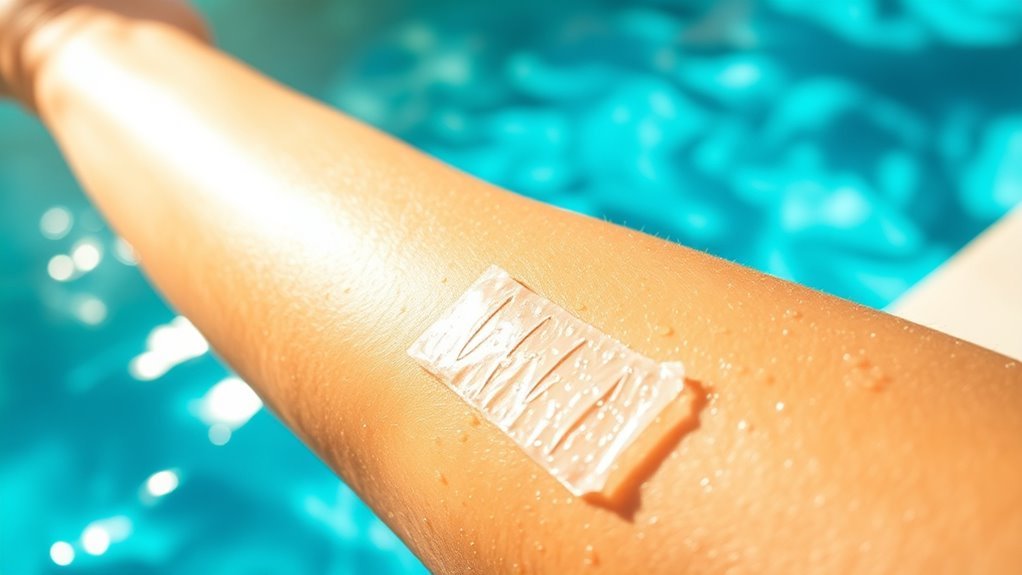
If you must swim, protect your tattoo with a waterproof bandage, rinse it with clean water afterward, and apply fragrance-free moisturizer. Choose swimwear that covers and shields your tattoo to minimize exposure to water and irritants.
Keep an eye on any redness or swelling, as these may need medical attention. To keep your tattoo vibrant and safe, here’s what else you need to know.
Understanding the Healing Process of a New Tattoo
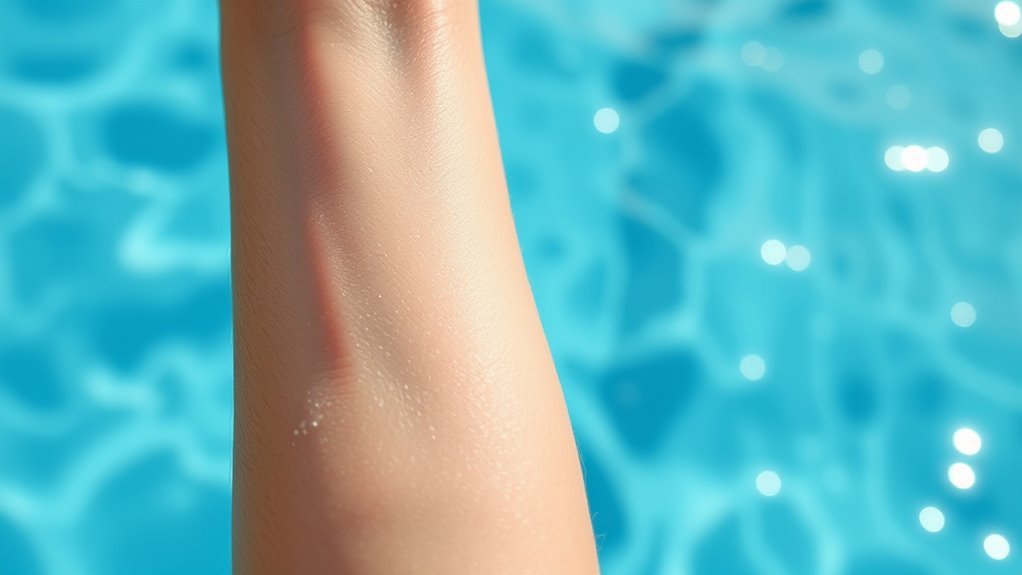
Although you might be eager to show off your new tattoo, understanding its healing process is crucial before going swimming. When you get a tattoo, your skin undergoes trauma, and a fresh tattoo is fundamentally an open wound.
Your body starts healing by forming a scab and gradually regenerating skin layers. This process typically takes about two to four weeks, but it varies depending on the tattoo’s size and your skin type.
Healing begins with scab formation and skin regeneration, usually taking two to four weeks depending on size and skin type
During this time, your tattoo is vulnerable to irritation, infection, and fading. Keeping it clean and moisturized helps promote proper healing.
Immersing your tattoo in water too soon can disrupt this delicate process, so you should avoid swimming until the skin fully seals and any scabs have fallen off naturally.
Patience ensures your tattoo heals beautifully.
Risks of Swimming With a Fresh Tattoo
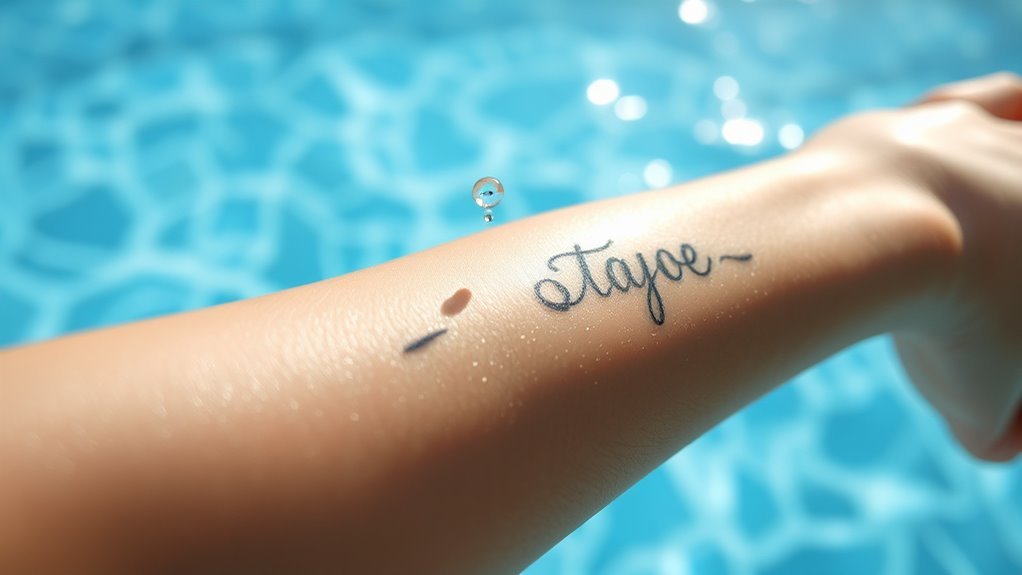
Swimming with a fresh tattoo exposes your skin to bacteria and chemicals that can cause infections and irritate the wound. When you immerse your new tattoo in pools, lakes, or oceans, you risk introducing harmful microorganisms that can lead to redness, swelling, or even pus-filled infections.
Chlorine and saltwater can dry out your skin, slowing the healing process and causing your tattoo to scab or fade unevenly.
Additionally, prolonged exposure to water can weaken the delicate skin barrier, increasing the chance of scarring or color loss.
Since your tattoo is fundamentally an open wound, protecting it from these risks is essential. Avoid swimming until the tattoo has sealed and healed properly to keep your skin healthy and your artwork vibrant.
Recommended Waiting Period Before Swimming
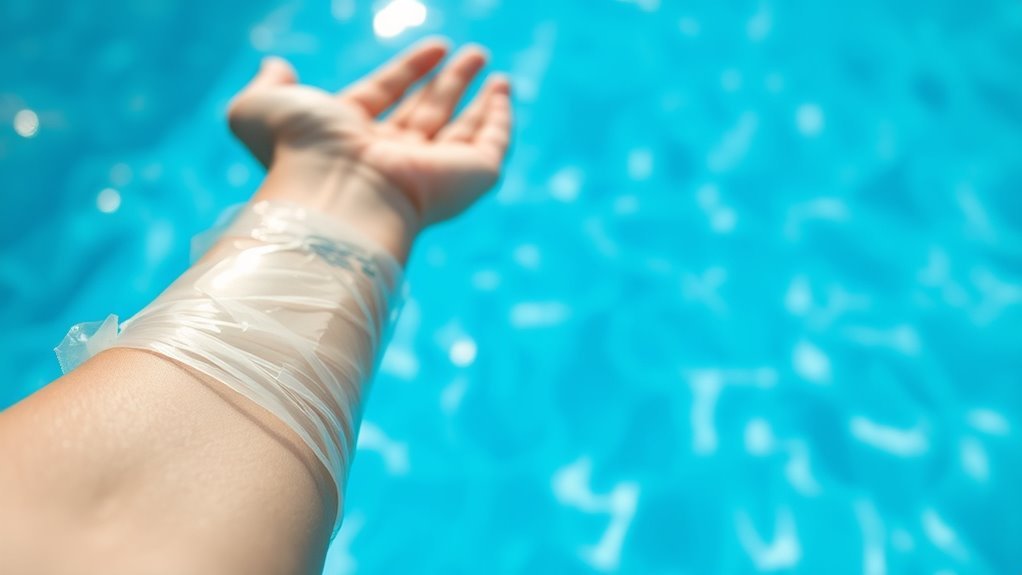
Since a fresh tattoo is fundamentally an open wound, you should wait at least two to four weeks before getting back in the water. This waiting period allows your skin to heal properly and reduces the risk of infection.
Healing times can vary depending on your tattoo’s size, location, and your personal healing rate, so listen to your body. If your tattoo still looks red, swollen, or scabby after two weeks, give it more time.
Avoid rushing into swimming, even if you feel fine. Remember, exposing an unhealed tattoo to water, especially pools or natural bodies, can cause bacteria to enter the skin.
Waiting guarantees your tattoo settles well, preserving its appearance and preventing complications.
Prioritize healing before you plunge in.
How to Protect Your Tattoo When Swimming
Before you take the plunge, make sure to shield your tattoo from water and irritants to keep it safe. Fresh tattoos are sensitive and prone to infection, so protecting them is essential.
Protect fresh tattoos from water and irritants to prevent infection and ensure proper healing.
To do this effectively, you should:
- Apply a waterproof bandage or tattoo-specific film before swimming to create a barrier.
- Avoid swimming in pools with high chlorine levels, as chlorine can fade and irritate your tattoo.
- Rinse your tattoo gently with clean water immediately after swimming to remove any chemicals or bacteria.
- Pat the area dry with a clean towel and apply a fragrance-free moisturizer to keep the skin hydrated.
Choosing the Right Swimwear for Tattoo Protection
While you want to enjoy the water, choosing swimwear that covers and protects your tattoo can prevent irritation and fading. Opt for swimwear made from soft, breathable fabrics that won’t rub harshly against your fresh ink.
High-waisted bottoms, rash guards, or swimsuits with longer coverage shield your tattoo from direct sun exposure and chlorinated water.
Avoid tight or rough materials that might cause friction, which can damage the healing skin.
If your tattoo is on your back or chest, consider swim shirts or tankinis designed for extra coverage.
Remember, a snug fit is important to keep the fabric in place but don’t choose something so tight it presses uncomfortably against your tattoo.
Picking swimwear thoughtfully helps protect your tattoo while you enjoy your time in the pool or ocean.
Aftercare Tips Post-Swimming
Even if you take every precaution, your tattoo will need proper care immediately after swimming to stay vibrant and heal well. After you get out of the water, rinse your tattoo gently with clean, lukewarm water to remove chlorine, salt, or bacteria. Avoid using harsh soaps or scrubbing the area.
Pat your tattoo dry with a clean towel. Never rub it. Once dry, apply a thin layer of a fragrance-free, gentle moisturizer or tattoo aftercare ointment to keep your skin hydrated and support healing.
- Use only clean hands when touching your tattoo.
- Avoid soaking your tattoo further after swimming.
- Wear loose, breathable clothing to prevent irritation.
- Keep your tattoo out of direct sunlight until fully healed.
Following these steps helps protect your tattoo’s color and prevents damage.
Signs of Infection to Watch For
If you notice increasing redness, swelling, or pain around your tattoo after swimming, it could be a sign of infection that needs attention.
Watch for pus or unusual discharge, which indicates your body is fighting bacteria.
Look out for pus or strange discharge, signs your body is battling infection.
A warm or hot feeling on the skin around the tattoo, along with tenderness, also signals trouble.
If you develop a fever or chills, these systemic symptoms might mean the infection is spreading.
Itching is normal during healing, but persistent, intense itching or a rash could point to irritation or infection.
Pay attention to any foul odor coming from the tattooed area, as this often accompanies bacterial growth.
Recognizing these signs early helps you take care of your tattoo before complications worsen.
When to Consult a Tattoo Artist or Healthcare Professional
Noticing signs of infection means you shouldn’t wait to seek advice. If your tattoo shows redness, swelling, or pus, contact your tattoo artist or a healthcare professional immediately. They can guide you on proper care or prescribe treatment if needed.
Even without infection, certain situations call for expert input to protect your tattoo and health. Consider consulting when you experience:
- Persistent pain or discomfort beyond a few days
- Excessive itching or rash around the tattoo
- Uncertainty about cleaning or applying ointments
- Planning to swim and unsure if your tattoo is fully healed
Reaching out early helps prevent complications and ensures your tattoo heals beautifully. Don’t hesitate to ask questions or express concerns.
Frequently Asked Questions
Can Swimming in a Pool Cause Tattoo Fading Over Time?
Yes, swimming in a pool can cause your tattoo to fade over time because chlorine and other chemicals break down the ink.
To protect your tattoo, avoid swimming until it’s fully healed and moisturize regularly.
Is Saltwater Better Than Chlorinated Water for a New Tattoo?
Saltwater isn’t better for a new tattoo; it can irritate and cause infection just like chlorinated water.
You should avoid both until your tattoo fully heals to keep it vibrant and prevent damage.
How Does Hot Tub Water Affect a Healing Tattoo?
Think of your hot tub as a tempting but fiery forge—its heat and chemicals can scorch your healing tattoo, causing irritation and fading.
Can Sunscreen Harm a Fresh Tattoo While Swimming?
Yes, sunscreen can irritate a fresh tattoo if it contains harsh chemicals. You should avoid applying sunscreen on a new tattoo while swimming until it’s fully healed to prevent damage and infection.
Fresh tattoos are essentially open wounds, and exposing them to chemicals in sunscreen can cause adverse reactions. It’s best to keep the tattoo clean and dry during the healing process.
Once the tattoo is fully healed, you can apply sunscreen to protect it from UV damage when swimming or spending time outdoors.
Are Waterproof Bandages Safe for Tattoo Protection in Water?
Imagine you wear a waterproof bandage like Tegaderm over your tattoo; it’s generally safe for short swims, creating a barrier against water and bacteria.
Still, don’t rely on it for prolonged exposure or deep water activities.
Conclusion
Remember, “haste makes waste”—rushing into swimming with a new tattoo can cause infections and damage your artwork. Give your tattoo enough time to heal, usually around 2-4 weeks. Always protect it with waterproof coverings if you must swim sooner.
Choose suitable swimwear and follow aftercare diligently to keep your tattoo vibrant and healthy. If you notice any signs of infection, don’t hesitate to consult your tattoo artist or healthcare professional.
Stay safe and enjoy your ink! Swimming safely with a new tattoo means respecting the healing process and taking proper precautions to prevent complications.