How Did Michael Phelps Start Swimming When He Began
You started swimming much like Michael Phelps did—your family encourages you from early on, and you find joy in the water’s feel. Your natural love for splashing and floating leads you to formal lessons where you learn strokes and breathing. Coaches guide your progress, helping you push through early struggles like stamina and coordination.
With steady practice and key competitive moments driving you, your passion grows stronger. Keep going to uncover how these experiences shaped his incredible journey.
Early Life and Family Influence
Although Michael Phelps grew up in Baltimore, his family’s support played an essential role in sparking his interest in swimming. You’d see that his parents encouraged him from an early age, ensuring he stayed active despite his hyperactivity.
His mother, Debbie, was especially involved, signing him up for swimming lessons to help channel his energy. His siblings also contributed by cheering him on and joining him in sports, creating a motivating environment.
You’d notice that this close-knit family atmosphere gave Michael the confidence to try new things and stick with challenges. Without their encouragement, you might wonder if he’d have found the determination needed to excel.
Their early influence laid a strong foundation that set him on the path toward greatness in the pool.
Discovering a Love for the Water
Michael Phelps often found himself drawn to the water from a young age, enjoying every moment he spent swimming. You can imagine the excitement he felt, splashing and gliding through pools, discovering how natural it was for him.
His early experiences made swimming feel less like a sport and more like play.
Here’s a glimpse into what those moments might have looked like:
| Activity | Feeling | Environment |
|---|---|---|
| Splashing in pool | Joyful and free | Warm, sunny days |
| Floating on back | Calm and relaxed | Quiet neighborhood pool |
| Playing with toys | Curious and enthusiastic | Bright, colorful pool toys |
You’d quickly see how these simple joys sparked his lifelong passion for swimming.
First Swimming Lessons and Training
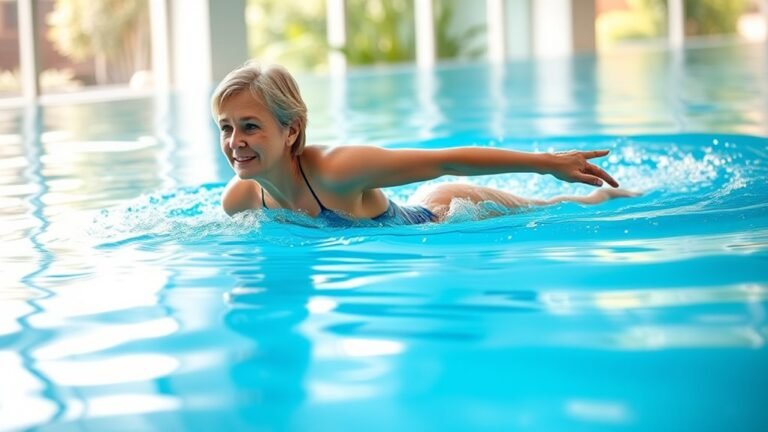
Once he showed a natural affinity for swimming, he started taking formal lessons to build strong techniques and discipline. You’d focus on mastering basic strokes, breathing control, and body positioning from the very beginning. These lessons weren’t just casual splashes; they laid the groundwork for efficient movement in the water.
Early training sessions emphasized consistency and repetition, helping you develop muscle memory and endurance. You’d also learn how to pace yourself and refine turns, essential skills that set the stage for competitive swimming. The structured environment pushed you to stay committed and improve steadily.
Role of Coaches in Developing Skills
Because coaches provide guidance and feedback, they play a crucial role in developing your swimming skills. They observe your technique closely, spotting areas that need improvement and giving you clear, actionable advice.
Your coach will create tailored training plans that challenge you while building your strengths. They help you master proper form, breathing patterns, and efficient strokes, which are essential for progress.
Coaches also motivate you to push past plateaus and celebrate your milestones, keeping you focused and confident. When you struggle, they adjust your training to suit your needs, ensuring steady growth.
Overcoming Challenges in the Beginning
Even with strong coaching, you’ll face hurdles when starting to swim seriously. At first, your body might feel awkward moving through the water, and your stamina may lag behind your ambitions.
You’ll struggle with mastering breathing techniques and coordinating strokes, which can be frustrating. It’s common to hit plateaus where progress seems slow, testing your patience and commitment.
You might also encounter self-doubt or fatigue during early training sessions. The key is to embrace these challenges as part of the learning process.
Key Moments That Sparked Competitive Drive
When Michael Phelps first stepped onto the pool deck, certain moments ignited a fierce competitive fire within him. You’ll notice how specific events challenged him to push harder, fueling his desire to excel. Early races where he narrowly lost taught him the value of relentless effort.
Witnessing older swimmers’ strength and speed sparked his ambition. Each setback became a stepping stone, shaping his unyielding drive.
| Moment | Impact on Drive |
|---|---|
| First local swim meet | Realized competition’s thrill |
| Narrow loss in early race | Motivated intense training |
| Watching Olympic champions | Set high performance goals |
| Breaking a personal record | Built confidence |
| Coach’s encouragement | Reinforced commitment |
You’ll see how these moments collectively built his competitive spirit.
Frequently Asked Questions
What Was Michael Phelps’ First Competitive Swim Event?
Michael Phelps’ first competitive swim event was a local swim meet when he was just seven years old. You’d see him competing in various strokes, showing early signs of his fierce determination and natural talent in the pool.
How Old Was Michael Phelps When He Won His First Medal?
Want to know how young Michael Phelps was when he first medaled? He was just 15 years old, winning a bronze at the 2000 Sydney Olympics.
Can you imagine achieving that at your age?
Did Michael Phelps Have Any Siblings Who Swam Competitively?
No, Michael Phelps didn’t have siblings who swam competitively. You’ll find that while his brothers were supportive, none pursued swimming at a competitive level like Michael did throughout his legendary career.
What Swim Strokes Did Michael Phelps Initially Prefer?
You’d find that Michael Phelps initially preferred butterfly and freestyle strokes. These powerful, fast techniques matched his natural strength and agility, helping him excel early on and set the foundation for his legendary swimming career.
How Did Michael Phelps Balance School and Swimming Training?
You juggle joyful journeys between school and swimming by setting strict schedules and staying steadfast.
Michael Phelps mastered managing moments, mixing studies with swim sessions, ensuring each effort earned excellence both academically and athletically.
Conclusion
You might be surprised to learn that Michael Phelps started swimming at just seven years old, a key age that set him on his Olympic journey. From early lessons to overcoming challenges, every step built his passion and skill.
Remember, by the time he was 15, Phelps had already broken a national record, showing how dedication from the start can lead to extraordinary success.
Your own journey can begin just like his—one stroke at a time. Embracing the spirit of how Michael Phelps started swimming can inspire anyone to dive into their dreams and achieve greatness.