How Long After Getting a Tattoo Can You Swim Step by Step
You should wait at least 2 to 4 weeks before swimming after getting a tattoo to avoid infection, irritation, and fading. Proper aftercare is essential during this healing period. Keeping your tattoo clean and dry helps prevent water exposure that can damage the healing skin.
During the first few weeks, avoid pools, hot tubs, lakes, and oceans, as they contain bacteria that can lead to infections. Once the scabs and peeling are gone, and your skin feels normal without redness or tenderness, you’re usually safe to swim.
Afterward, keep your tattoo protected and moisturized to maintain its vibrancy. Following these steps will ensure your tattoo heals well and looks great for years to come. Here’s how to care for your tattoo step by step.
Understanding the Healing Process of a New Tattoo
Although getting a tattoo is exciting, understanding how your skin heals afterward is essential. When you get inked, your skin sustains tiny wounds that trigger your body’s natural healing response.
Initially, your tattoo will be red, swollen, and sensitive. Over the next few days, a scab or light peeling will form as the skin repairs itself. During this phase, your new tattoo is vulnerable to infection and damage.
Right after getting inked, expect redness, swelling, and sensitivity as your skin begins its healing process.
You’ll want to keep it clean and moisturized, avoiding anything that might irritate the area.
Healing times vary, but it generally takes about two to four weeks for the surface skin to recover.
Knowing these stages helps you protect your tattoo properly and supports the best possible outcome for your new ink.
Why Swimming Too Soon Can Harm Your Tattoo
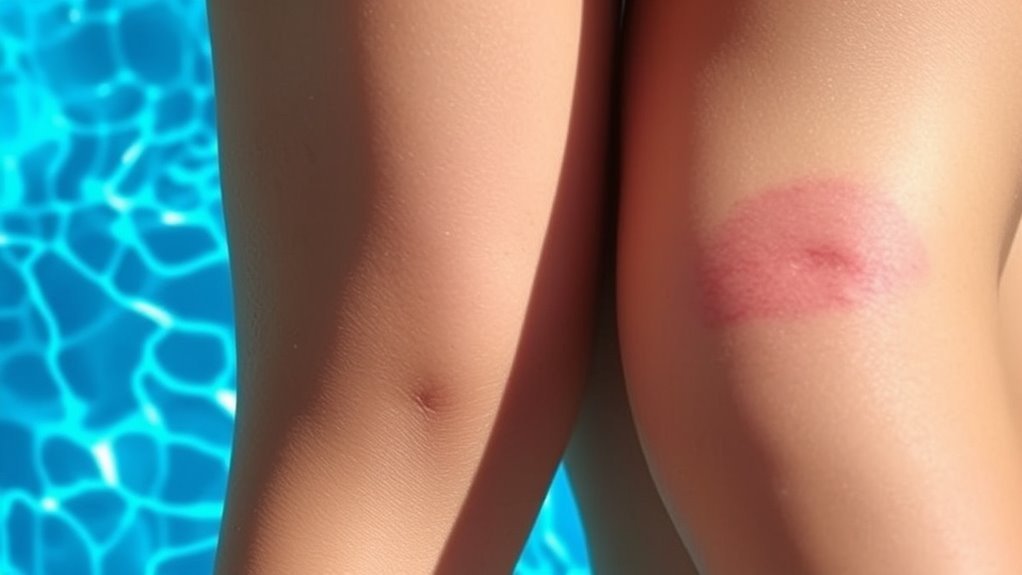
If you jump into a pool or the ocean too soon after getting a tattoo, you risk exposing your healing skin to bacteria and harsh chemicals that can cause infection or fading. Your tattoo is fundamentally an open wound, so swimming prematurely can:
- Introduce bacteria leading to painful infections.
- Cause chlorine or saltwater to irritate and dry out the skin.
- Wash away scabs prematurely, disrupting the healing process.
- Fade or blur the ink, ruining the tattoo’s sharpness and vibrancy.
Recommended Waiting Period Before Swimming
To protect your new tattoo from infection and damage, you should wait before swimming. Most experts recommend waiting at least 2 to 4 weeks to ensure your tattoo has fully sealed and healed.
This time frame helps prevent harmful bacteria from entering the open skin and avoids fading or irritation caused by chlorine or saltwater.
| Waiting Time | Reason | Tips |
|---|---|---|
| 2 Weeks | Initial healing phase | Keep tattoo clean & dry |
| 3 Weeks | Skin starts to seal | Avoid direct water contact |
| 4 Weeks+ | Full healing usually done | Ready for safe swimming |
Preparing Your Tattoo for Swimming After It Has Healed
Once your tattoo has fully healed, you can take steps to protect it while swimming. Preparing your skin helps maintain your tattoo’s vibrancy and prevents irritation.
Here’s what you should do:
- Clean your tattoo thoroughly with mild soap and water before swimming.
- Apply a waterproof sunscreen with a high SPF to shield your tattoo from UV damage.
- Moisturize your skin with a fragrance-free lotion to keep it hydrated and prevent dryness.
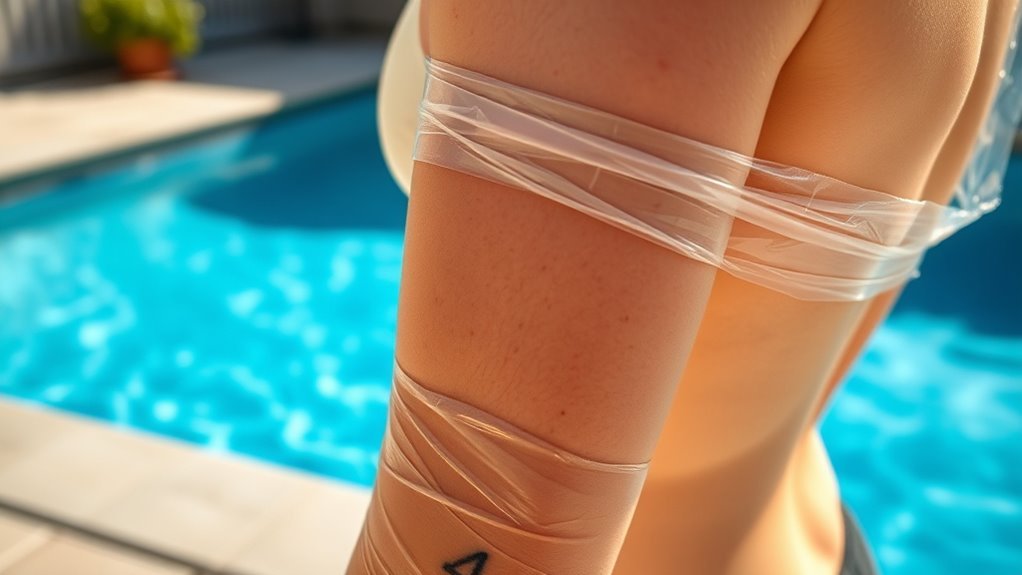
- Cover your tattoo with a waterproof bandage if you’re swimming in harsh or dirty water to avoid infection.
Best Practices for Swimming With a Fully Healed Tattoo
Although your tattoo has fully healed, you should still take certain precautions when swimming to keep the ink vibrant and your skin healthy.
Before you jump in, always apply a waterproof sunscreen with high SPF to protect your tattoo from UV damage.
Limit your time in chlorinated pools, as chemicals can fade the ink over time.
After swimming, rinse your tattoo thoroughly with fresh water to remove chlorine, salt, or bacteria.
Pat it dry gently; avoid rubbing to prevent irritation.
Moisturize regularly to maintain skin elasticity and color brightness.
Avoid prolonged exposure to hot tubs or harsh chemicals, even if the tattoo is healed.
Signs Your Tattoo Is Ready to Get Wet
Before you take your new tattoo for a swim, you need to recognize the signs that show it’s ready to get wet. Jumping in too soon can cause damage or infection. Here’s how to tell if your tattoo’s healed enough:
- No Scabs or Peeling – The skin should be smooth without any flaking or scabs.
- No Redness or Swelling – The area should look normal, not inflamed or irritated.
- Itchiness Has Stopped – The healing itch is gone, indicating the skin has settled.
- Skin Isn’t Tender – You can touch your tattoo without pain or sensitivity.
If all these signs are present, your tattoo is likely ready to handle water. Always err on the side of caution to protect your artwork.
Tips for Maintaining Tattoo Vibrancy After Water Exposure
Because water exposure can gradually fade your tattoo, you need to take specific steps to keep its colors vibrant. First, always moisturize your tattoo with a fragrance-free lotion after swimming to prevent dryness and peeling. Avoid prolonged soaking in chlorinated or saltwater, as chemicals can dull the ink.
When you do swim, rinse your tattoo with fresh water immediately afterward to remove irritants. Protect your tattoo from direct sunlight by applying a broad-spectrum sunscreen once it’s fully healed. UV rays accelerate fading.
Wear loose, breathable clothing to reduce friction and irritation. Lastly, keep your tattoo clean and avoid harsh scrubbing during showers.
Frequently Asked Questions
Can Swimming in a Pool Cause Tattoo Fading Over Years?
Yes, swimming in a pool can cause your tattoo to fade over years. Chlorine and chemicals break down ink pigments, so you should protect fresh tattoos and moisturize regularly to keep colors vibrant and sharp.
Is Saltwater Better or Worse for Tattoos Than Freshwater?
Imagine saltwater as a scrubbing brush—it’s harsher on your fresh tattoo than freshwater. Salt can dry and irritate your skin, so you’ll want to stick to freshwater until your tattoo’s fully healed to avoid damage.
Freshwater is gentler and helps keep your tattoo clean without causing irritation. Avoid swimming in the ocean or saltwater pools until your tattoo has completely healed. This helps prevent infection and preserves the quality of your tattoo.
How Do Chlorine Levels in Pools Affect Tattoo Healing?
Chlorine in pools can irritate your new tattoo, causing dryness, fading, and infection risk.
You shouldn’t swim until it’s fully healed—usually 2-4 weeks—to protect your skin and keep your tattoo vibrant and healthy.
Can Tattoos Get Infected From Ocean Water Bacteria?
Yes, tattoos can get infected from ocean water bacteria, which contain over 1,000 types of microbes. You’ll risk redness, swelling, and pain if you expose fresh tattoos to these bacteria before they fully heal.
It’s important to keep new tattoos away from ocean water to prevent infection. The bacteria present in the ocean can easily enter the open skin and cause complications. Proper aftercare is essential to ensure your tattoo heals safely and looks its best.
Are Waterproof Tattoo Covers Effective for Swimming?
Waterproof tattoo covers can be effective for swimming if applied properly, but they’re not foolproof.
You should still avoid prolonged water exposure to prevent infection and protect your healing tattoo, especially in pools or oceans.
Conclusion
Think of your new tattoo like a delicate plant—if you water it too soon, it won’t take root properly. Waiting at least 2 to 4 weeks before swimming gives your skin time to heal fully, just like letting a seed sprout strong leaves before adding more water.
Once healed, you can enjoy the water without worry. Taking these steps guarantees your tattoo stays vibrant and healthy, turning your skin into a lasting masterpiece. Remember, knowing how long after getting a tattoo you can swim is essential for proper care and healing.