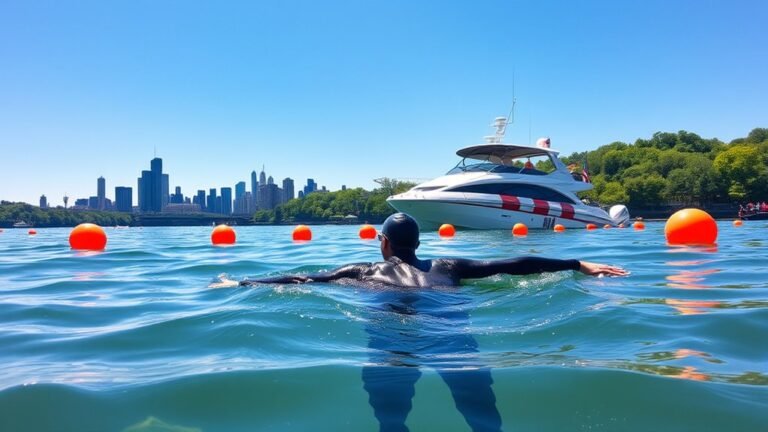

How You Can Swim Safely in the Baltic Sea
To swim safely in the Baltic Sea, start by checking weather, water temperature, and local warnings since conditions can change fast. Swimming safety in the Baltic Sea is crucial due to its unique climate and water conditions. Swim only in designated areas with lifeguards and follow posted signs.
Wear a wetsuit or thermal gear to stay warm, as the water is often cool. Always swim with a buddy for added safety and keep an eye on how you feel for signs of hypothermia. Keep these basics in mind, and there’s more useful guidance to help you stay safe and comfortable.
Understand the Unique Characteristics of the Baltic Sea
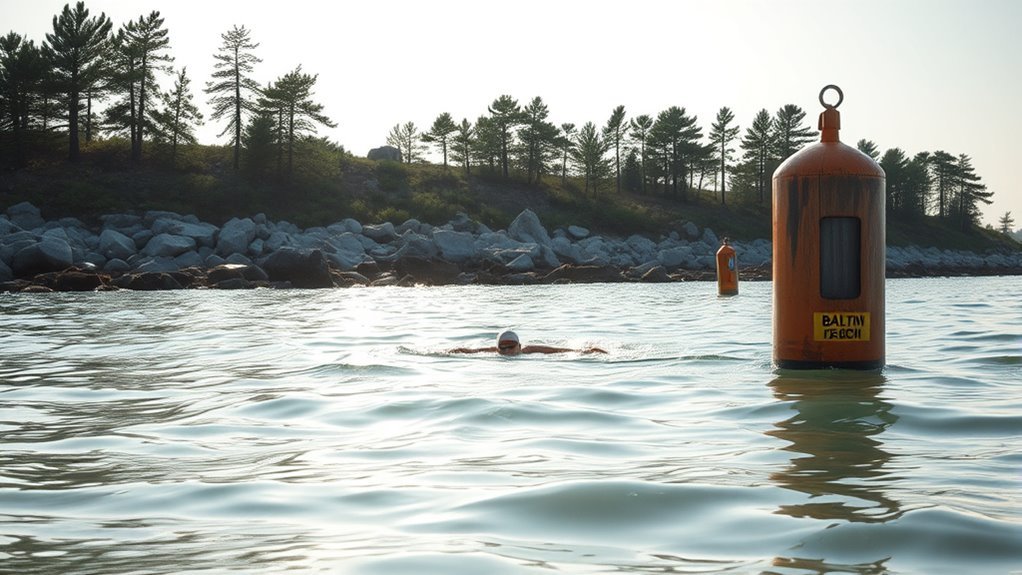
Because the Baltic Sea has unique characteristics, understanding them is key to swimming safely. You’ll notice it’s a brackish sea, meaning its water is less salty than the ocean but saltier than freshwater. This affects buoyancy—you’ll float more easily than in a freshwater lake but less than in the ocean.
The Baltic Sea’s unique brackish water boosts buoyancy—float easier than freshwater, but less than the ocean.
The sea is also relatively shallow and enclosed, which leads to cooler water temperatures, even in summer. You should be prepared for sudden temperature drops that can cause cramps.
Additionally, the Baltic Sea has lower wave heights compared to open seas, but currents can still be strong in narrow straits.
Knowing these factors helps you anticipate how your body will react and plan your swim accordingly, keeping you safer in these unique waters.
Check Weather and Water Conditions Before Swimming
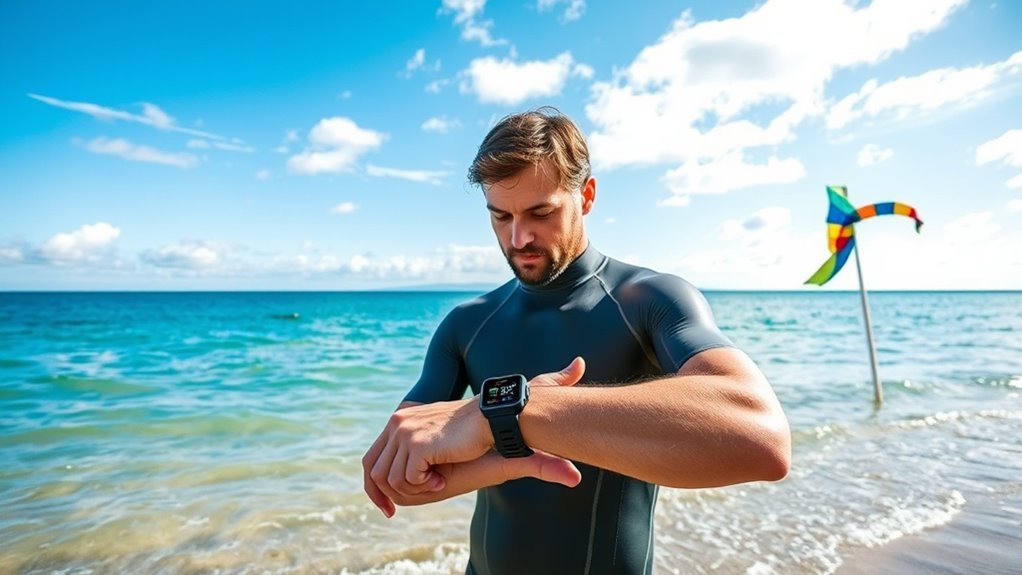
Understanding the Baltic Sea’s unique traits gives you a solid foundation, but you still need to check the weather and water conditions before you plunge in. Weather changes quickly here, so always look up the latest forecasts.
Wind can stir up waves and lower water temperatures, making swimming challenging and risky. Pay attention to water temperature reports—cold water can cause hypothermia faster than you expect.
Check for any warnings about strong currents or jellyfish blooms, which sometimes happen in the Baltic. If conditions seem unfavorable, don’t hesitate to postpone your swim.
Staying informed helps you avoid hazards and ensures you enjoy your time safely. Before you go ahead, take a moment to scan local updates or ask lifeguards about current conditions.
Choose Safe and Designated Swimming Areas
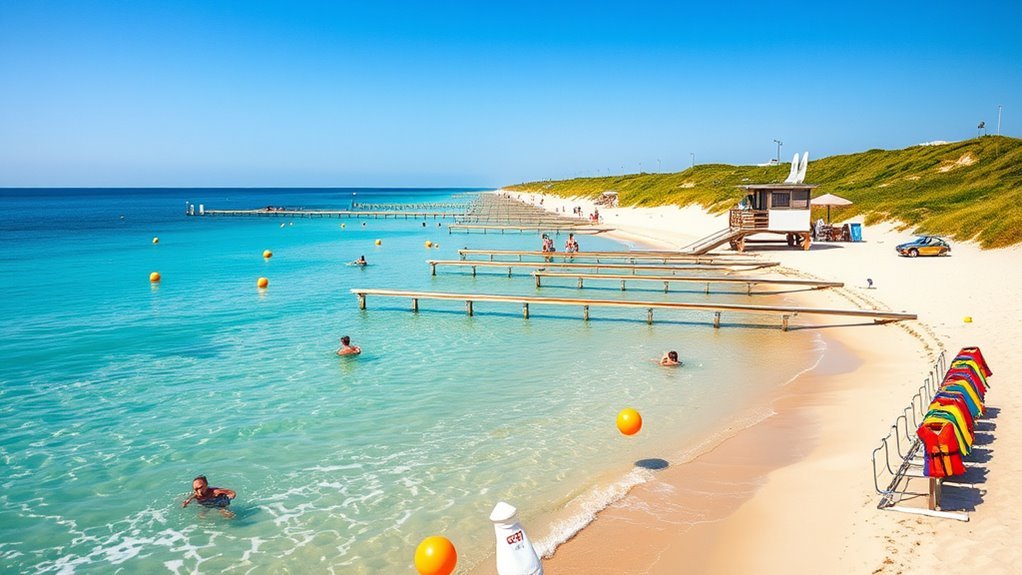
When you pick a swimming spot in the Baltic Sea, always stick to designated areas marked as safe for swimmers. These spots are chosen because they’ve been assessed for hazards like strong currents, underwater obstacles, or boat traffic.
Swimming outside these zones increases your risk of accidents or getting caught in dangerous conditions. Pay attention to signage and local guidelines, and ask lifeguards or locals if you’re unsure where it’s safe to swim.
These areas often have safety measures like buoys and rescue equipment nearby, giving you extra protection. By choosing established swimming spots, you also help preserve the environment, avoiding sensitive habitats.
Staying within these zones ensures you enjoy a safer, more relaxed swim in the Baltic Sea.
Wear Appropriate Swimwear for Cooler Water Temperatures
Although the Baltic Sea’s waters can feel invigorating, they often stay quite cool even in summer, so you’ll want to wear swimwear designed to retain warmth. A wetsuit is your best option since it traps a thin layer of water against your skin that your body heats, keeping you comfortable longer.
If you don’t have a wetsuit, consider neoprene swimwear or thermal swimsuits made for cold water. Avoid cotton or regular swimsuits that absorb water and chill you quickly.
Also, wearing a swim cap and neoprene gloves can help minimize heat loss from your head and hands.
Dressing appropriately lets you enjoy swimming without risking hypothermia, so prioritize gear that fits well and protects you from the Baltic Sea’s cooler temperatures.
Swim With a Buddy or Group for Added Safety
Swimming with a buddy or group considerably boosts your safety in the Baltic Sea, where conditions can change quickly. When you swim with others, you can watch out for each other and respond faster if someone needs help. Here’s why swimming together matters:
- You get immediate assistance if cramps, fatigue, or cold affect you or your buddy.
- It’s easier to stay visible to lifeguards or boats when you’re in a group.
- You can share knowledge about the area, spotting hazards or safe spots quicker.
Always agree on signals or meeting points before entering the water. This teamwork approach helps you enjoy the Baltic Sea with peace of mind, knowing support is close by if anything goes wrong.
Know How to Identify and Avoid Strong Currents
Keeping close to others improves your safety, but you also need to recognize natural hazards like strong currents in the Baltic Sea. These currents often appear as channels of churning or discolored water moving swiftly away from the shore.
Watch for areas where waves break differently, or where foam and debris rapidly drift seaward. Avoid swimming in these spots, as strong currents can quickly pull you away from safe zones.
Notice unusual wave patterns or fast-moving foam and avoid those areas to stay safe from strong currents.
If you feel yourself being dragged, don’t fight the current head-on; instead, swim parallel to the shoreline until you’re out of its pull, then head back to shore.
Always stay alert to changing water conditions and respect posted warnings.
Understanding and avoiding strong currents keeps your swim safe and enjoyable.
Use Floatation Devices When Necessary
When you’re unsure about water conditions or your swimming ability, using flotation devices can greatly enhance your safety in the Baltic Sea. These devices provide buoyancy, help conserve energy, and reduce the risk of drowning.
Here’s when you should consider using one:
- If you’re swimming far from shore or in unfamiliar areas.
- When swimming with children or weak swimmers who need extra support.
- In rough or cold water conditions, where staying afloat can be more challenging.
Always choose a flotation device that fits properly and is approved for swimming or water activities.
Don’t rely solely on them, but use flotation aids as an extra safety measure to boost your confidence and security while enjoying the Baltic Sea.
Stay Hydrated and Protect Yourself From the Sun
Although the Baltic Sea offers invigorating relief, you’ll need to stay hydrated and protect your skin from sun exposure to enjoy it safely.
Drink plenty of water before, during, and after swimming to replace fluids lost through sweat and saltwater exposure.
Avoid sugary or alcoholic drinks, as they can dehydrate you further.
Apply a broad-spectrum sunscreen with at least SPF 30 to all exposed skin, and reapply every two hours or after swimming.
Wear a wide-brimmed hat and UV-protective sunglasses to shield your face and eyes.
Seek shade during peak sun hours, typically between 10 a.m. and 4 p.m., to minimize harmful UV exposure.
Taking these steps helps you stay comfortable and reduces the risk of sunburn or heat-related issues while enjoying your swim.
Recognize Signs of Hypothermia and How to Respond
Sun protection and hydration help you stay comfortable on the surface, but the Baltic Sea’s chilly waters can still pose risks beneath.
Hypothermia happens when your body loses heat faster than it can produce it, making you feel cold, confused, and weak. To recognize and respond quickly:
- Watch for shivering, numbness, and clumsiness, early signs that your body temperature is dropping.
- Notice mental changes, like confusion or drowsiness, which indicate serious hypothermia.
- Get out of the water immediately and warm up gradually with dry clothes and blankets.
If someone shows severe symptoms, call emergency services right away. Acting fast keeps you safe and prevents hypothermia from worsening while enjoying the Baltic Sea.
Follow Local Rules and Guidelines for Swimming Safety
Because the Baltic Sea has unique conditions and regulations, you should always follow local rules and guidelines to stay safe while swimming. These rules are designed to protect you from hazards like strong currents, cold temperatures, and marine traffic.
Before entering the water, check for posted signs about swimming zones, water quality, and weather warnings.
Always swim in designated areas where lifeguards are present and avoid restricted zones.
Pay attention to flag signals indicating water safety conditions, and don’t ignore any alerts or advice from local authorities.
Following these guidelines helps minimize risks and ensures a safer experience.
Frequently Asked Questions
Are There Specific Marine Animals to Watch Out for in the Baltic Sea?
You don’t need to worry much about dangerous marine animals in the Baltic Sea. Jellyfish can sting, but they’re generally harmless.
Just watch out for blue jellyfish and avoid touching any unfamiliar creatures while swimming.
What Is the Best Time of Year for Swimming in the Baltic Sea?
The best time to swim in the Baltic Sea is from June to August when the water warms like a gentle embrace. You’ll enjoy calmer waves and sunnier skies, perfect for a invigorating, safe dip.
During these months, the sea temperatures are most comfortable, making your swim more enjoyable. The extended daylight hours also provide plenty of time to soak up the sun. Remember to check local weather forecasts for the best conditions.
Can Swimming in the Baltic Sea Help With Health Conditions?
Yes, swimming in the Baltic Sea can boost your immune system, improve circulation, and reduce stress. The cold water may ease inflammation and muscle pain, so you’ll feel healthier and more energized after a swim.
How Does the Salinity of the Baltic Sea Affect Swimming?
Imagine floating in a gentle cradle—since the Baltic Sea’s low salinity makes water less dense, you’ll find it easier to swim but less buoyant compared to ocean water.
You’ll need to adjust your strokes accordingly.
Are There Any Recommended Swimming Gear Brands for the Baltic Sea?
You’ll want brands like Speedo, TYR, or Aqua Sphere for reliable wetsuits and goggles. They offer gear designed for colder, brackish water, keeping you comfortable and protected while swimming in the Baltic Sea’s unique conditions.
These brands are known for high-quality materials and durability, which is essential given the variable temperatures and salinity of the Baltic Sea. Choosing the right wetsuit thickness and goggles with anti-fog features can greatly enhance your swimming experience.
Conclusion
Now that you know how to swim safely in the Baltic Sea, you’re all set to enjoy the chilly waters without worry. Remember to check conditions, pick safe spots, and never swim alone—think of it like having a trusty sidekick, much like Don Quixote had Sancho Panza.
Stay warm, stay alert, and follow local rules. With these tips, you’ll make the most of your swim while keeping safety front and center.
Happy swimming in the Baltic Sea!