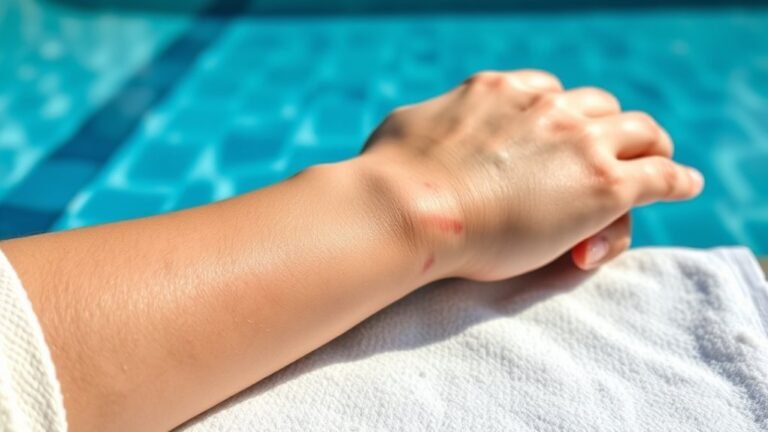

How Long After Surgery Can You Go Swimming in the Ocean?
You shouldn’t swim in the ocean after surgery until your surgical wound has fully closed and your doctor gives you the green light. How long after surgery can you go swimming in the ocean depends on your specific procedure and overall health.
Healing times vary, but jumping in too soon can expose your wound to bacteria, increasing the risk of infection. It can also irritate your skin, which may slow down your recovery process.
Before considering ocean swimming, ensure there is no pain, redness, swelling, or discharge around your wound. Taking proper precautions afterward is essential for a safe return to the water.
If you want to know more about safely returning to ocean swimming after surgery, there’s helpful information ahead to guide you.
Understanding the Healing Process After Surgery

Although everyone’s recovery timeline varies, understanding how your body heals after surgery helps you know when it’s safe to resume activities like swimming.
Right after surgery, your body focuses on closing wounds and preventing infection.
You’ll notice swelling, redness, and tenderness as part of the initial healing phase. Over the following weeks, new tissue forms, strengthening the surgical site.
Your immune system works hard to rebuild and repair, but the skin and deeper tissues remain fragile during this time.
You should watch for signs of proper healing, like the absence of pain and no discharge from the incision.
Only when your surgeon confirms the wound is fully closed and strong enough should you consider exposing it to water activities like swimming.
Patience now guarantees a safer, smoother recovery.
Risks of Swimming in the Ocean Too Soon
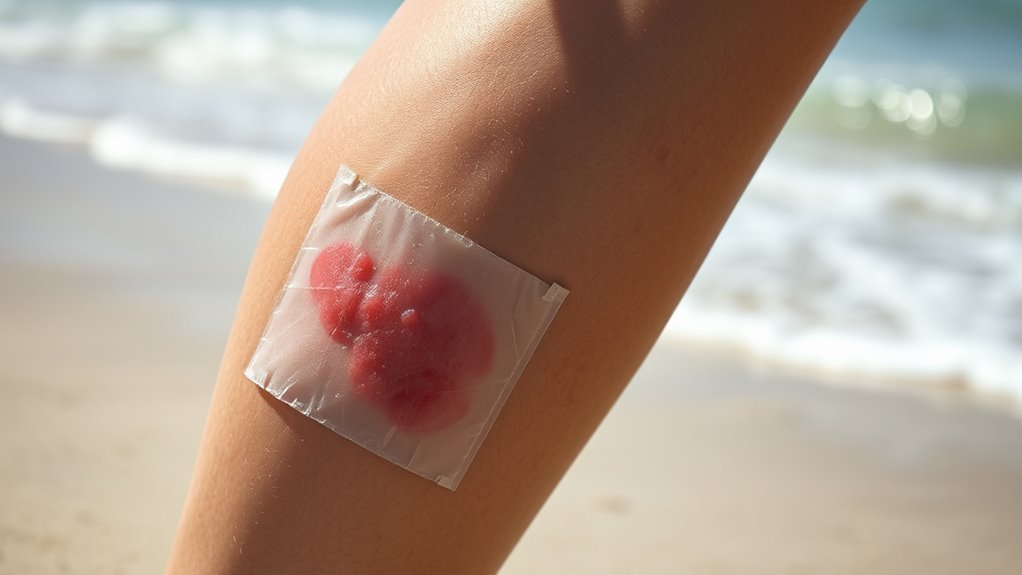
If you jump into the ocean too soon after surgery, you risk exposing your healing wound to bacteria and saltwater irritation that can cause infection and delay recovery.
Ocean water contains a mix of microorganisms, including harmful bacteria and viruses, which can easily enter your wound and lead to complications.
Ocean water harbors bacteria and viruses that can infect open wounds and cause complications.
Saltwater can also dry out and irritate the skin, worsening inflammation and slowing the healing process.
Additionally, swimming too early may cause your wound to reopen or bleed, increasing discomfort and the chance of scarring.
You might also experience increased pain or swelling, signaling that your body isn’t ready for this activity.
To protect yourself, it’s best to wait until your healthcare provider confirms your wound is fully healed before swimming in the ocean.
Factors That Influence Recovery Time

Because every surgery and patient is different, the time it takes to safely go swimming can vary widely. Your recovery depends on the type of surgery you had. Minor procedures might heal quickly, while major ones require more time.
Your overall health plays a role too. If you have conditions like diabetes or a weakened immune system, healing can slow down. How well you care for your wound matters as well. Keeping it clean and dry helps prevent infection.
Age also influences recovery speed. Younger people often heal faster.
Finally, your surgeon’s advice is essential since they understand your specific case. Considering these factors will help you gauge when it’s safe to enjoy the ocean again without risking complications.
Signs You’re Ready to Swim Again
When your surgical wound shows no signs of redness, swelling, or discharge, you’re likely ready to swim again. You should also feel confident in your mobility and not experience pain during gentle movements.
Here are clear signs indicating you can safely return to the ocean:
- Your wound has fully closed, with a new layer of skin protecting the site.
- You can perform daily activities without discomfort or stiffness.
- There’s no tenderness when touching the surgical area.
- Your doctor has given you the green light after a follow-up check.
Pay attention to these indicators to ensure your body has healed enough to handle the ocean’s environment without risking infection or reopening the wound.
Precautions to Take When Returning to the Ocean
Knowing you’re ready to swim again is just the first step; taking the right precautions safeguards your healing wound from infection and irritation. Before heading to the ocean, make sure your wound is fully closed and covered with a waterproof bandage.
Avoid swimming after heavy rain, as runoff can carry harmful bacteria. Limit your time in the water to reduce exposure to salt and microorganisms. Rinse off with fresh water immediately after swimming to remove salt and contaminants.
Pay attention to any pain, redness, or swelling around the wound. If you notice these signs, get medical advice promptly.
Finally, avoid diving or rough activities that may strain your surgical site. Taking these precautions helps ensure a safe return to ocean swimming.
Alternatives to Ocean Swimming During Recovery
If you can’t swim in the ocean during your recovery, you still have plenty of options to stay active and enjoy the water safely. You can keep your spirits high and muscles moving without risking infection or injury.
Consider these alternatives:
Explore gentle walks, pool exercises, and warm baths to stay active and aid recovery safely.
Take gentle walks along the beach, letting the cool ocean breeze refresh you. Use a well-maintained swimming pool where chlorinated water reduces infection risk. Try water aerobics or physical therapy sessions designed for post-surgery recovery.
Relax in a warm bath or a clean hot tub to soothe your muscles and promote healing. These options let you enjoy water activities without exposing your healing wounds to harsh ocean conditions. Always check with your doctor before starting any new activity.
Frequently Asked Questions
Can Ocean Swimming Affect Surgical Scars’ Appearance Long-Term?
Yes, ocean swimming can affect your surgical scars’ appearance long-term. Saltwater and bacteria may irritate scars or cause infections, leading to discoloration or delayed healing.
Always wait until your doctor clears you before swimming.
How Does Saltwater Compare to Chlorinated Pools for Healing?
Saltwater gently embraces your skin with natural minerals, often soothing wounds, while chlorinated pools use chemicals that can sting and dry out healing tissue.
Are There Specific Surgeries That Require Longer Ocean Swim Avoidance?
Yes, if you’ve had abdominal, joint, or open wound surgeries, you’ll need to wait longer before swimming in the ocean to avoid infection.
Always follow your surgeon’s advice to protect your healing process.
Can Medications Post-Surgery Influence When Swimming Is Safe?
Yes, medications like blood thinners or antibiotics can affect when you can safely swim. They might increase infection risk or bleeding, so always check with your doctor before hitting the ocean after surgery to avoid complications.
Is Swimming in a Wetsuit Recommended During Early Recovery?
Diving into a wetsuit during early recovery isn’t usually the best idea; it can hug your healing wounds too tightly and trap moisture, which might delay your comeback.
Always check with your doctor before suiting up.
Conclusion
You might feel eager to dive back into the ocean, but rushing it could turn your recovery into a never-ending nightmare. Give your body the time it needs to heal properly—usually a few weeks, depending on your surgery and how well you’re healing.
Watch for signs like no pain, closed wounds, and your doctor’s okay. When you do swim again, take precautions seriously.
Remember, your healing is more precious than a thousand waves crashing! Knowing how long after surgery you can go swimming in the ocean is key to a safe recovery.