Best Tap Water Filter Australia: Clean Water Secrets Revealed
Water quality varies across Australia, and many homes face concerns about impurities and taste in their tap water. Having a reliable solution to improve water safety and flavor can make a big difference in daily life.
Choosing the best tap water filter Australia offers can help address these issues effectively. A good tap water filter is designed for households wanting cleaner, better-tasting water without the hassle of bottled water. These filters work to reduce common contaminants while maintaining essential minerals.
They also offer convenience and cost savings over time. This review will cover some of the leading tap water filters available in Australia, focusing on their performance, installation, and maintenance. Whether you want to improve drinking water or cooking quality, understanding the options will help you make an informed choice.
Whether you want to improve drinking water or cooking quality, understanding the options will help you make an informed choice.
Discover the Top Solutions for Crystal-Clear and Refreshing Drinking Water Down Under
| Image | Product | Price |
|---|
Discover the Ultimate Guide to Choosing the Best Tap Water Filter in Australia
Certifications and standards
When choosing a water filter, paying attention to certifications and testing can give you confidence in the product’s effectiveness and safety. Filters that comply with NSF/ANSI standards have undergone rigorous evaluation to verify their ability to remove specific contaminants, so selecting one with these credentials means you’re getting a product that meets internationally recognized benchmarks. Additionally, Australian WaterMark certification reflects compliance with national quality and safety requirements, which is especially reassuring when purchasing locally.
Additionally, Australian WaterMark certification reflects compliance with national quality and safety requirements, which is especially reassuring when purchasing locally. Independent lab testing results offer another layer of trust by providing unbiased verification of a filter’s performance beyond manufacturer claims. Together, these qualifications help ensure that the water you drink is cleaner and healthier, making the effort of finding a reliable filter much simpler and more dependable.
Filter capacity and lifespan
When selecting a water filter, understanding the cartridge life duration is key because it directly affects how often you need to replace it and maintain water quality. Generally, cartridges are designed to filter a specific volume of water before they lose efficiency, meaning that the amount of filtered water per cartridge will dictate replacement frequency. For instance, some filters can handle several hundred liters, which could translate to a few months of use for an average household.
For instance, some filters can handle several hundred liters, which could translate to a few months of use for an average household. Replacement cost is another factor; more affordable cartridges can make regular changes manageable, while premium ones might last longer but come at a higher price. Planning your budget around these aspects helps avoid unexpected expenses and ensures you always have clean water available without interruptions.
Installation and maintenance
Choosing a tap water filter in Australia becomes much easier when considering how simple it is to set up and keep clean, as these factors strongly affect user experience. Filters designed for under-sink installation often require more effort initially but stay out of sight and can handle larger volumes of water, which suits busy households.
Faucet-mounted units offer quick attachment to existing taps, providing filtered water instantly without taking up countertop space. Regular cleaning is necessary for maintaining water quality and prolonging filter life, so it helps to select a product with straightforward cleaning instructions and accessible replacement cartridges.
When assistance is needed, having responsive customer support can save time and hassle, particularly when navigating warranty claims or troubleshooting. Prioritizing these practical aspects can lead to a smooth filtration experience, providing consistently fresh and safe drinking water throughout your home.
Water quality in your area
Understanding the quality of tap water involves looking closely at what local testing reveals about common contaminants, which vary widely depending on geographic and environmental factors. Hardness and mineral content often influence not only taste but also the lifespan of household appliances, so paying attention to these elements can make a tangible difference in daily use. Common pollutants present in tap water include chlorine, sediments, and sometimes traces of agricultural runoff or heavy metals depending on the region.
Filters that specifically address these issues tend to offer improved flavor and safety, making them beneficial for health and enhancing the overall drinking experience. Choosing a filtering system that targets the specific contaminants identified through local water testing helps in selecting a solution well suited to your needs, whether it’s for general improvement in taste or for reducing particular impurities.
Practical buying tips include checking the filter’s certification for contaminant removal, understanding the replacement frequency to keep performance steady, and considering installation ease to fit your lifestyle without hassle. By aligning product features with the local conditions revealed by water testing, selecting a water filter becomes a straightforward task that contributes to better hydration and peace of mind.
Types of tap water filters
Choosing the right tap water filter involves understanding the various technologies that target specific contaminants and improve water taste and safety. Activated carbon filters excel at removing chlorine, odors, and organic compounds, making them ideal for households aiming to enhance flavor without complex installations.
UV purification uses ultraviolet light to inactivate bacteria and viruses, offering a chemical-free approach that works best alongside pre-filters to clear sediment or chlorine that could block UV penetration. Ceramic filters rely on tiny pores within a solid matrix to physically block bacteria and sediment, often prized for their durability and ease of cleaning.
For many, combination filters that integrate several of these methods into one system offer the best balance by addressing a wider range of impurities and providing confidence in water safety. When deciding, consider the specific water issues in your area, how much maintenance you are willing to perform, the available space for installation, and budget constraints. Experienced users often recommend reviewing water quality reports and selecting a filter certified by health authorities to ensure effectiveness while matching your household’s usage patterns and taste preferences.
Experienced users often recommend reviewing water quality reports and selecting a filter certified by health authorities to ensure effectiveness while matching your household’s usage patterns and taste preferences.
Budget and longterm cost
Choosing a tap water filter that fits your needs without unexpected expenses requires paying attention to both upfront and ongoing costs. The initial purchase price can vary widely depending on features like filtration technology and build quality, so balancing what you need against what you’re willing to invest helps avoid overspending on functionality you might not use.
Replacement filters represent an ongoing expense that often gets overlooked but can significantly affect the total cost of ownership, especially since some brands have proprietary cartridges that tend to be pricier or less available. Energy consumption is generally modest or nonexistent in many tap water filters, but if you select a model with powered purification methods such as UV light, be mindful of the small increase in electricity usage over time. Shaping your choice around these financial factors while considering the purity level, flow rate, and ease of filter changes makes living with filtered water enjoyable both on day one and as time goes by.
FAQ’s
How Often Should Tap Water Filters Be Replaced Or Maintained In Australia?
In Australia, tap water filters should generally be replaced or maintained every 3 to 6 months, depending on the manufacturer’s recommendations and water quality. Regular maintenance ensures optimal filtration and prevents bacterial buildup.
How Do Australian Tap Water Filters Improve Water Quality?
Australian tap water filters improve water quality by removing contaminants such as chlorine, heavy metals, and bacteria, ensuring cleaner and safer drinking water. They often use advanced filtration technologies like activated carbon and reverse osmosis to enhance taste and purity.
Are There Any Affordable And Effective Tap Water Filters For Australian Households?
Yes, there are several affordable and effective tap water filters available for Australian households, such as activated carbon pitchers and under-sink filtration systems. Brands like Brita and Doulton offer reliable options that improve water taste and reduce contaminants without breaking the bank.
What Are The Top-Rated Tap Water Filters Available In Australia?
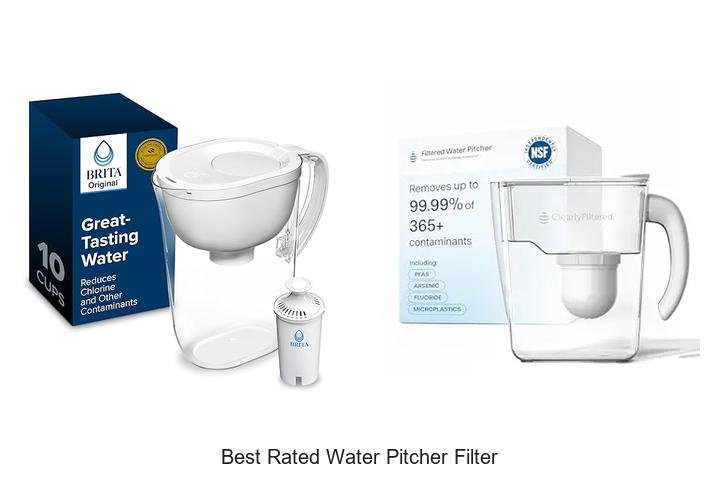
The top-rated tap water filters in Australia include brands like Brita, ZeroWater, and Puretec, known for their effective removal of contaminants and ease of use. Popular models often feature multi-stage filtration systems and certifications ensuring water purity and taste improvement.
What Factors Should I Consider When Choosing A Tap Water Filter In Australia?
When choosing a tap water filter in Australia, consider factors such as the specific contaminants commonly found in your local water supply, filter certification standards like NSF or WQA, and the filter’s capacity and maintenance requirements. Additionally, evaluate the filtration technology (e.g., activated carbon, reverse osmosis) to ensure it meets your health and taste preferences.
Conclusion
Choosing the best tap water filter Australia offers can greatly improve water quality by reducing contaminants, enhancing taste, and promoting health. While some models may have higher upfront costs or require regular maintenance, their benefits often outweigh these drawbacks for households prioritizing clean and safe drinking water.
These filters are particularly suitable for families, individuals with sensitive health needs, or those living in areas with questionable tap water quality. Addressing concerns like filter lifespan, ease of installation, and certified performance can help buyers feel confident in their choice. Ultimately, selecting the right tap water filter depends on personal preferences and water source characteristics, but options identified among the best tap water filter Australia selections deliver reliable purification without unnecessary complexity or expense.