Best Type Of Water Filter For Home Revealed – Don’t Miss!
Choosing the right water filter for your home can be challenging, especially with so many options available claiming to offer clean and safe drinking water. Finding the best type of water filter for home use means balancing effectiveness, ease of installation, and maintenance needs. A reliable water filter not only improves taste but also reduces contaminants, providing peace of mind for you and your family.
This review focuses on a well-known category of water filtration systems designed to meet the needs of average households looking for quality and convenience. Whether your tap water has hard minerals, chlorine, or other impurities, the right filter can make a significant difference.
In the following sections, we will explore key features, pros and cons, and performance aspects of this water filter. This will help you make an informed choice based on your household’s water quality and lifestyle.
Discover the Ultimate Solutions to Elevate Your Home’s Water Quality
| Image | Product | Price |
|---|
Discover the Ultimate Guide to Choosing the Best Type of Water Filter for Your Home
Capacity, flow rate, and maintenance
Choosing the best type of water filter for home use involves paying close attention to capacity, flow rate, and maintenance to match your household’s lifestyle. Filters with a higher capacity tend to handle larger daily water volumes effectively, preventing frequent interruptions while ensuring a steady flow rate that fits your consumption needs. Regular maintenance plays a significant role in maintaining performance, which means selecting a system that is straightforward to install and offers manageable upkeep routines can save time and effort.
Regular maintenance plays a significant role in maintaining performance, which means selecting a system that is straightforward to install and offers manageable upkeep routines can save time and effort. Replacement filters should be readily available and budget-friendly since frequent replacements might be necessary depending on water quality and usage. Being aware of the filter lifespan and how often replacements are required helps plan costs and ensures water remains clean and safe without unexpected drops in efficiency.
Considering ease of installation alongside maintenance requirements often makes the experience less daunting, especially for those new to water filtration systems, allowing a smoother transition into enjoying fresh-tasting water every day.
Cost considerations and budget planning
Choosing the best type of water filter for home use often comes down to balancing the initial purchase price with ongoing expenses. While some models might seem more affordable upfront, their long-term maintenance costs, such as replacement filters and parts, can add up quickly.
Warranty and customer support play significant roles when making a purchase, since a dependable warranty offers peace of mind against defects, and responsive customer service can make troubleshooting or obtaining replacement components much simpler. Taking these factors into account alongside key features ensures a choice that aligns well with your budget and daily needs without unexpected surprises down the road.
Water quality and contaminants to test for
Understanding the common contaminants in your area can dramatically influence which water filter will serve your household best. Many regions face issues with hardness and mineral content, which can lead to scaling in pipes and appliances, and impact taste. Filters designed to reduce calcium and magnesium are beneficial in these cases.
Chemical pollutants, including heavy metals like lead or mercury and substances such as chlorine, pesticides, or industrial runoff, often require activated carbon or reverse osmosis systems to effectively remove them from drinking water. Additionally, biological contaminants like bacteria and viruses pose health risks, especially in areas relying on well or untreated water sources.
Filters equipped with UV purification or those certified for microbiological safety can provide peace of mind in such scenarios. When selecting a water filter, considering these factors alongside your home’s water profile ensures the chosen system addresses your specific water quality challenges.
Types of water filters available for home use
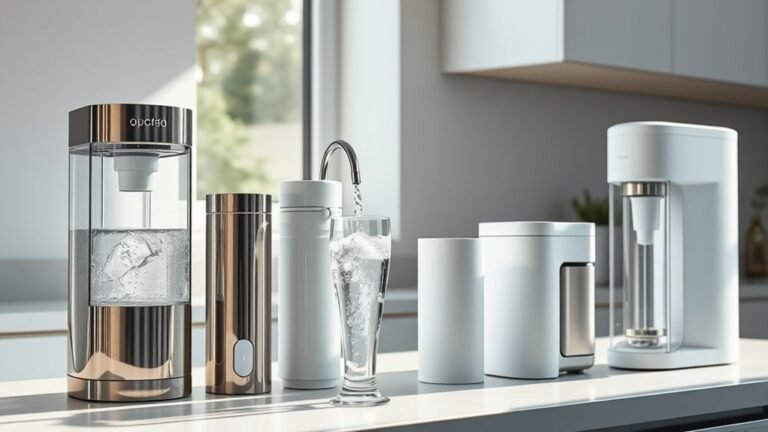
Choosing the right water filter for a household involves understanding the various options available and how they match specific needs. Pitcher filters offer a simple and portable solution, ideal for those wanting to improve taste and remove basic contaminants without installation.
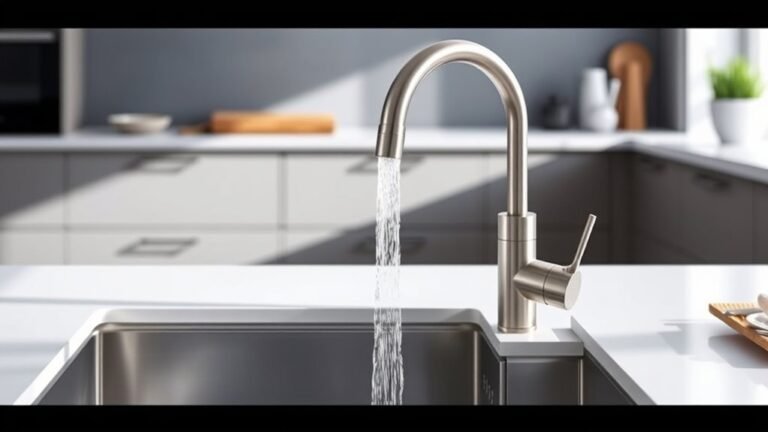
Faucet-mounted filters attach directly to the tap, providing on-demand filtered water with minimal space requirements, perfect for smaller kitchens or renters. For families interested in a more permanent and powerful option, undersink filtration systems installed beneath the kitchen sink deliver higher-quality purification while keeping the countertop clear. Whole house water filters take care of water treatment for all faucets and appliances, addressing issues like sediment and chlorine at the source, which is especially beneficial in homes using well water or experiencing poor municipal supply quality.
Countertop water filters stand out for their convenient setup and ability to produce large quantities of filtered water, suitable for homes where someone prefers not to modify plumbing. When selecting a system, consider the contaminants you need to remove, your household water usage, available space, and maintenance requirements. Some filters require regular cartridge changes and monitoring to perform efficiently, while others provide a longer lifespan but might come with higher upfront costs.
Some filters require regular cartridge changes and monitoring to perform efficiently, while others provide a longer lifespan but might come with higher upfront costs. Understanding these factors will help in finding a balance between performance, convenience, and budget that fits your daily water needs.
Filtration technology and effectiveness
When choosing a water filter for your home, understanding the different methods available can make a significant difference in water quality and safety. Activated carbon filters are excellent at removing chlorine, odors, and many organic compounds, making tap water taste better and smell fresher. Reverse osmosis systems take filtration a step further by pushing water through a semi-permeable membrane, eliminating a wide range of contaminants including heavy metals, salts, and some bacteria, which is ideal for households needing thorough purification.
Reverse osmosis systems take filtration a step further by pushing water through a semi-permeable membrane, eliminating a wide range of contaminants including heavy metals, salts, and some bacteria, which is ideal for households needing thorough purification. UV purification uses ultraviolet light to inactivate bacteria and viruses without altering the water’s mineral content, making it a great option for those concerned primarily with biological contaminants. Ceramic filters have tiny pores that physically block particles and microorganisms, providing a natural filtration method that is reusable and affordable.
Ion exchange systems work by swapping harmful ions, like lead and calcium, with less problematic ones such as sodium, helping to soften water and reduce scale buildup. Each of these technologies suits different water quality issues and household needs, so evaluating your water source and the specific impurities you want to tackle can guide you toward the right filtration system. Keep in mind the maintenance requirements, filter lifespan, and installation complexity as you decide which approach fits your lifestyle best.
Additional features and convenience factors
When choosing the best type of water filter for home use, paying attention to certifications and safety standards can give you confidence in the product’s effectiveness and reliability. Filters that meet NSF or similar certifications have been rigorously tested to remove common contaminants, providing safe drinking water for your household. Considering the available space and installation location is equally important, as some whole-house systems require more room and professional installation, while countertop or under-sink models are more compact and easier to fit in limited areas.
Considering the available space and installation location is equally important, as some whole-house systems require more room and professional installation, while countertop or under-sink models are more compact and easier to fit in limited areas. The design and aesthetics of the filter might seem secondary, but a sleek and unobtrusive unit can blend better with your kitchen decor and avoid becoming an eyesore. Ease of use plays a significant role in daily satisfaction; models that allow straightforward installation, cleaning, and filter replacement tend to be more user-friendly.
Additionally, having a clear indicator or monitoring system to track filter status helps prevent forgetting when it’s time for a change, maintaining water quality without hassle. Paying attention to these factors can make a noticeable difference in convenience and long-term satisfaction with your home water filtration system.
FAQ’s
How Do Under-Sink Water Filters Compare To Countertop Models?
Under-sink water filters are installed directly under the sink, offering a more permanent and space-saving solution with typically higher filtration capacity. Countertop models are easier to install and portable but take up more counter space and may have lower filtration capabilities.
Are Whole-House Water Filtration Systems Worth The Investment?
Whole-house water filtration systems are worth the investment if you want consistent, clean water throughout your home, especially in areas with poor water quality. They can improve taste, remove contaminants, and protect plumbing, providing long-term health and appliance benefits.
Which Water Filter Is Most Effective At Removing Contaminants From Tap Water?
Activated carbon filters are highly effective at removing chlorine, pesticides, and organic contaminants from tap water. For broader purification, reverse osmosis systems excel by filtering out a wide range of impurities, including heavy metals and dissolved solids.
What Factors Should I Consider When Choosing A Water Filter For My Home?
When choosing a water filter for your home, consider the specific contaminants present in your water supply and the filter’s certification to remove those impurities. Additionally, evaluate the filter’s capacity, maintenance requirements, and compatibility with your plumbing system.
What Are The Different Types Of Water Filters Available For Home Use?
The different types of water filters available for home use include activated carbon filters, reverse osmosis systems, UV purifiers, ceramic filters, and ion exchange filters. Each type targets specific contaminants to improve water quality based on household needs.
Conclusion
Choosing the best type of water filter for home depends on individual needs such as budget, water quality, and maintenance preferences. Options like activated carbon filters offer effective removal of chlorine and odors but may not eliminate all contaminants, while reverse osmosis systems provide thorough purification at a higher cost and require more upkeep. For families concerned about heavy metals and bacteria, UV filters combined with sediment filters offer added safety.
For families concerned about heavy metals and bacteria, UV filters combined with sediment filters offer added safety. Those seeking convenience may prefer countertop or pitcher filters, albeit with limited filtration capacity. Understanding these trade-offs helps determine the right balance between performance and practicality.
Ultimately, selecting the best type of water filter for home involves matching features to specific water issues and lifestyle, ensuring cleaner, safer drinking water without unnecessary complexity or expense.