Best Water Filter Chlorine Fluoride Removes Toxins Fast!
Many people are concerned about the quality of their tap water, especially when it comes to harmful substances like chlorine and fluoride. These chemicals, often present in municipal water supplies, can affect taste and raise health questions for some households. Choosing the right filtration system becomes essential to enjoy cleaner, better-tasting water at home.
The best water filter chlorine fluoride models are designed to reduce these specific contaminants effectively. They are suitable for individuals or families looking to improve their drinking water without investing in complex setups.
These filters typically offer improved taste and peace of mind by targeting impurities that standard filters might miss. This review will explore several popular water filters known for addressing chlorine and fluoride concerns. It will cover how each system works, ease of use, filtration capacity, and overall value to help you make an informed decision based on your needs.
Discover Top Solutions for Cleaner, Safer Drinking Water Free from Unwanted Contaminants
| Image | Product | Price |
|---|---|---|
Pick 1  | Epic Water Filters Pure Filter Pitchers for Drinking Water, 10 | Check Price On Amazon |
8. Epic Water Filters Pure Filter Pitchers for Drinking Water, 10
Experience pure, clean water effortlessly with the Epic Water Filters Pure Filter Pitchers. Designed to fit neatly in refrigerator shelves, these pitchers combine convenience with powerful filtration technology. Their large capacity and easy-pour design make refreshing hydration accessible for the whole family.
Their large capacity and easy-pour design make refreshing hydration accessible for the whole family.
Crafted with a robust carbon block filter, these pitchers target harmful contaminants like chlorine, fluoride, lead, and emerging forever chemicals. The sleek, space-saving pitcher ensures refreshing water at your fingertips every day, without the hassle of complicated setups or bulky systems.
The Epic Water Filters Pure Pitchers offer a high-performance filtration system tested rigorously against NSF/ANSI standards 42, 53, 401, and P473. With a 6mm thick carbon block, the filter removes contaminants such as lead, PFAS compounds (PFOA, PFOS, PFC), 1,4-Dioxane, and Haloacetic Acids, leaving behind water free from harmful substances.
This gravity-fed filtration jug is perfect for homes relying on city tap water and seeking to eliminate both fluoride and chlorine. It retains essential minerals like calcium and magnesium, unlike conventional reverse osmosis systems which strip out beneficial nutrients. The durable design fits comfortably on refrigerator shelves and weighs just 2 pounds, making refills and pouring smooth and effortless.
Equipped with an LED filter change timer on the lid, it alerts when it’s time for a replacement, eliminating guesswork. Each filter pitcher can provide up to 150 gallons of clean water, lasting four times longer than typical pitchers. Constructed from BPA-free, food-grade materials, and being fully recyclable, it supports both health and the environment.
Ideal for families prioritizing thorough decontamination without sacrificing taste or convenience.
Pros
- Eliminates a broad range of contaminants including lead, fluoride, chlorine, and PFAS.
- Long-lasting filter capable of producing 150 gallons of purified water.
- LED filter timer to remind users when replacement is needed.
Cons
- The pitcher’s price might be higher compared to some basic water filters.
This filtration pitcher stands out for those seeking a reliable and space-efficient solution without compromising water quality. Its advanced carbon block technology and user-friendly features provide peace of mind for families wanting clean, great-tasting water daily.
| Specification | Details |
|---|---|
| Dimensions | H 10″ x W 6″ x L 10″ |
| Weight | 2 lbs |
| Filter Type | 6mm Solid Carbon Block |
| Filter Life | 150 gallons / approx. 90 days |
| Certifications | NSF/ANSI 42, 53, 401, P473 |
| Materials | 100% BPA-free, Food Grade, Recyclable, Vegan |
The Ultimate Guide to Choosing the Best Water Filter for Chlorine and Fluoride Removal
Installation and maintenance considerations
Choosing the best water filter chlorine fluoride involves paying close attention to how easy it is to install, especially for those new to water filtration systems. Many user-friendly models come with detailed instructions and require no special tools, allowing a straightforward setup that doesn’t demand professional help.
Regular maintenance is necessary to keep the filtration system effective, but the best options usually require minimal effort, often just a simple routine cleaning or timely cartridge swap. Having the right tools on hand or included in the package can make upkeep hassle-free and ensure that the water quality remains consistently high without frequent disruptions or extra expenses.
Budget and longterm costs
When selecting a water filter designed to tackle chlorine and fluoride, considering the overall budget and longterm costs plays a significant role in making a wise investment. The initial purchase price can vary widely depending on the filtration technology and brand reputation, so balancing upfront expenses with expected lifespan matters.
Evaluating the cost vs. effectiveness balance helps determine which option provides the best value; some higher-priced filters may offer superior contaminant reduction and longer filter life, ultimately saving money in maintenance and replacements.
Paying attention to filter certifications and reading customer experiences can also guide you toward a filtration system that keeps your expenses manageable while delivering clean and safe drinking water consistently.
Filtration efficiency and certification
When choosing a water filter designed to handle chlorine and fluoride, paying attention to certifications that confirm the filter’s ability to reduce these substances is a smart move. Trusted standards like NSF/ANSI certifications indicate that the product has undergone rigorous testing and meets specific performance benchmarks for removing chlorine and fluoride from tap water.
Filters with longer lifespans and higher capacity save money and reduce maintenance frequency, which is especially convenient for daily use. Understanding the percentage of contaminants removed helps set expectations for water quality improvement; filters that remove a high percentage of chlorine and fluoride tend to deliver better taste and safer water.
Keeping these factors in mind, pairing the filter’s specifications with personal water usage and contaminant concerns will help in selecting a reliable and effective unit.
Types of water filters for chlorine and fluoride removal
Choosing the right filtration system often depends on understanding the main methods available for removing chlorine and fluoride from your water supply. Activated carbon filters work effectively by absorbing chlorine and some other chemical impurities, making water taste better and reducing odors, which is great for everyday use.
Reverse osmosis systems take purification a step further by pushing water through a semi-permeable membrane that significantly reduces fluoride, chlorine, and a broader range of contaminants, often chosen for households seeking thorough purification. Fluoride-specific filters are designed to target fluoride removal specifically, ideal for areas where fluoride levels are a concern but overall water quality is otherwise good. Some combination filters merge these technologies to provide a balanced approach, addressing multiple contaminants simultaneously, which can be convenient if you’re looking to simplify your setup.
When deciding which to invest in, consider your local water quality report and the contaminants you want to reduce most, as well as your budget and how much maintenance you’re comfortable with. Systems that involve more complex filtration like reverse osmosis usually require more upkeep and can waste water, whereas activated carbon options are generally low maintenance and cost-effective. Ultimately, selecting the appropriate filter comes down to balancing effectiveness, cost, and ease of use based on your specific drinking water needs.
Water quality and testing
Choosing the right water filtration system begins with understanding what is present in your tap water and how these elements interact. Testing your water for chlorine and fluoride levels provides insight into which contaminants need to be addressed, allowing for a selection that targets these specific chemicals effectively.
Equally important is recognizing the impact of water hardness and pH on filtration efficiency; hard water may require a different filter type compared to soft water, and pH levels can influence how well certain filtration media perform. Filters designed for removing chlorine and fluoride often come with various technologies such as activated carbon or reverse osmosis, and selecting a filter tailored to the contaminants identified ensures the best results. For practical use, considering factors like flow rate, maintenance requirements, and certification standards gives added confidence in delivering cleaner and safer drinking water.
With these points in mind, investing time in understanding your water composition can lead to a more informed choice that aligns perfectly with your needs and contributes to better overall water quality in the home.
Additional features and user convenience
Choosing a water filter that effectively reduces chlorine and fluoride can greatly improve the taste and safety of your drinking water. A reliable filter typically comes with indicators or alerts that notify you when it’s time to replace the cartridge, helping maintain filtering efficiency without constant guesswork. It’s beneficial to pay attention to the flow rate as some filters can slow down water pressure, which might be an inconvenience if you require a steady and strong water stream for cooking or filling large containers.
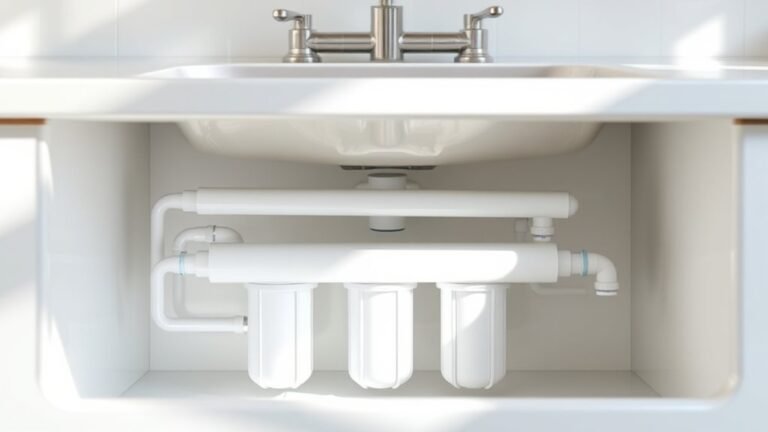
The size and design also play a role, especially if counter space is limited; compact models fit easily under sinks or on countertops without causing clutter, while sleek designs can complement most kitchens. Filters that balance these aspects—efficient contaminant removal, convenient alerts, steady flow, and space-conscious design—offer a practical solution for anyone seeking cleaner water without sacrificing user convenience.
FAQ’s
How Do Water Filters Remove Chlorine And Fluoride From Drinking Water?
Water filters remove chlorine primarily through activated carbon, which adsorbs and neutralizes chlorine molecules. Removing fluoride typically requires specialized filters like reverse osmosis or activated alumina that can effectively reduce fluoride levels in drinking water.
Are There Specific Types Of Water Filters Better Suited For Eliminating Fluoride Compared To Chlorine?
Yes, reverse osmosis and activated alumina filters are more effective at removing fluoride, while activated carbon filters are better suited for eliminating chlorine from water. Therefore, the choice of filter depends on the specific contaminant you want to target.
What Features Should I Look For In A Water Filter To Ensure It Filters Out Chlorine And Fluoride?
To filter out chlorine and fluoride, look for a water filter with activated carbon for chlorine removal and a specialized media like activated alumina or reverse osmosis for fluoride reduction. Ensure the filter is certified for these contaminants by a reputable testing organization.
Can Activated Carbon Filters Remove Fluoride As Well As Chlorine From Water?
Activated carbon filters are effective at removing chlorine and improving taste and odor but are not very effective at removing fluoride from water. To remove fluoride, specialized filters like reverse osmosis or activated alumina are typically required.
What Are The Most Effective Water Filters For Removing Both Chlorine And Fluoride?
The most effective water filters for removing both chlorine and fluoride are activated alumina filters combined with activated carbon filters. This combination effectively reduces chlorine through carbon adsorption and removes fluoride using activated alumina media.
Conclusion
Choosing the right water filter involves balancing performance, cost, and specific filtration needs. The best water filter chlorine fluoride options effectively reduce contaminants like chlorine taste and harmful fluoride levels while maintaining essential minerals.
These filters often use activated carbon and specialized media to target both chemicals without sacrificing water quality. While some models may have higher upfront or replacement costs, their long-term benefits in improving water safety and taste make them a worthwhile investment. This type of filter is particularly suited for households concerned about municipal water additives or living in areas with known fluoride presence.
For those seeking reliable removal of chlorine and fluoride without complex setups, these filters offer a practical solution. Careful evaluation of your water quality and budget will help ensure a satisfying purchase decision.