Best Water Filter Container You Can’t Live Without Today
Clean and safe drinking water is a daily need, yet many people struggle with contaminants that affect taste and health. A reliable solution comes in the form of the best water filter container, designed to provide purified water right at home or on the go.
This type of product suits anyone looking to improve their water quality without complicated installations or ongoing expenses. With features like easy filtration, portability, and durable materials, these containers can make a noticeable difference in everyday hydration. In this review, we will explore how the best water filter container performs, highlight key advantages and drawbacks, and help you decide if it fits your needs.
Whether you want better tasting water or peace of mind about safety, this guide will offer clear insight to support your choice.
Discover Your Ultimate Solution for Cleaner, Fresher Water at Home
| Image | Product | Price |
|---|
Choose Wisely: Your Ultimate Guide to the Best Water Filter Container
Container material and build quality
Choosing the right best water filter container involves paying close attention to the container material and build quality since these factors directly impact safety and longevity. Opting for BPA free and foodgrade materials gives peace of mind by preventing harmful chemicals from leaching into your filtered water, making it a safer choice for daily use.
Durability and resistance to wear are equally important because a sturdy container not only withstands accidental drops or rough handling but also endures repeated cleaning without cracking or degrading. The design and ergonomics play a role in how easy and comfortable the container is to handle and pour from, so selecting one with a well-thought-out shape and a secure lid can improve overall user experience. Considering these aspects together results in a water filter container that’s reliable, safe, and pleasant to use over time.
Capacity and size
Choosing the right volume for a water filter container depends largely on your household’s daily water consumption and storage space. Smaller volumes are ideal for individuals or couples who need portability and easy handling, while larger sizes accommodate families or frequent use without constant refilling.
A compact design not only makes storage in cabinets or on countertops easier but also prevents clutter. At the same time, it’s important to consider where you plan to keep the container as some might require dedicated counter or shelf space due to their width or height.
Whether you place it near the sink or in a pantry, the shape and footprint should fit comfortably without compromising access or daily usability. Finding a balance between sufficient water volume and convenient placement will make using the water filter container a seamless part of your routine.
Additional features
When choosing a water filter container, paying attention to the spigot or tap quality can greatly influence your daily experience since a well-designed tap not only facilitates smooth pouring but also prevents leaks and drips, which is especially helpful in busy kitchens or outdoor settings. Multistage filtration systems stand out for their ability to remove a broader range of contaminants, combining different filtering media such as activated carbon, ceramic, and ion exchange resins to improve both taste and safety of the water. Compatibility with other filters or accessories adds versatility, allowing you to customize your setup or upgrade components without replacing the entire container, which can save money over time and adapt to changing water quality needs.
Considering these aspects has made selecting a water filter container more straightforward and rewarding from personal experience, as the balance between ease of use, cleaning, and efficient filtration makes a significant difference in maintaining good hydration habits.
Ease of use and maintenance
Choosing a water filter container that balances convenience with effective maintenance can make a noticeable difference in daily hydration habits. When it comes to replacing the filter, it helps to pick a model designed for straightforward swaps without complicated tools or lengthy procedures.
This reduces downtime and encourages prompt filter changes, which is key for keeping water quality high. Regular cleaning should not be a chore either; containers crafted from materials resistant to buildup or ones with easily detachable parts save time and effort during upkeep. Paying attention to features like indicator systems that alert when it is time to replace the filter can take the guesswork out of maintenance and enhance overall user experience.
These indicators often come in the form of color changes or digital notifications, subtly reminding users before the filter’s effectiveness diminishes. Together, these elements contribute to a hassle-free process that supports both health and convenience over time.
Filtration technology
Choosing the right water filter container can make a noticeable difference in the quality and taste of your drinking water. Different types of filters serve varying purposes; for example, carbon filters excel at reducing chlorine and organic compounds that affect flavor and odor, while ceramic filters are effective at removing bacteria and sediments.
Some models incorporate UV light to target viruses and other microscopic pathogens, adding another layer of protection. Understanding the filter lifespan is helpful since cartridges typically require replacement every few months, depending on usage and water quality. Paying attention to how frequently you need to change the filter can prevent diminished performance and ensure consistent water purity.
Filtration efficiency varies across products, so it’s good to check how well a filter reduces specific contaminants like lead, pesticides, or microbes by reviewing certifications and test results. Matching the filter’s capabilities with your household’s water conditions and consumption habits will provide the best experience and peace of mind when it comes to clean, safe water.
Price and warranty
When deciding on the best water filter container, balancing cost with the value it provides is a key aspect. While some models may come with a higher upfront price, they often offer better durability, advanced filtration technologies, or larger capacities that reduce the need for frequent replacements. On the other hand, more affordable options can still deliver clean water but might necessitate more frequent filter changes or have less robust build quality.
On the other hand, more affordable options can still deliver clean water but might necessitate more frequent filter changes or have less robust build quality. Considering the availability of replacement filters is essential since a reliable supply ensures the container remains effective over time without unexpected interruptions. Warranties play a crucial role as well; a solid warranty period combined with responsive customer support can give peace of mind, especially when dealing with components that influence the safety of your drinking water.
Manufacturers that provide clear information about filter lifespan and offer straightforward procedures for obtaining replacements typically reflect higher reliability. Ultimately, investing in a model that balances upfront cost, ease of filter replacement, and dependable customer service usually results in greater satisfaction and longevity of use for anyone wanting consistently clean water.
FAQ’s
How Does A Water Filter Container Improve The Quality Of Drinking Water?
A water filter container improves the quality of drinking water by removing impurities, contaminants, and harmful substances such as bacteria, chlorine, and sediments. This filtration process results in cleaner, safer, and better-tasting water for consumption.
How Often Should The Filter In A Water Filter Container Be Replaced?
The filter in a water filter container should typically be replaced every 2 to 3 months or after filtering about 40 gallons of water, depending on usage and water quality. Always refer to the manufacturer’s guidelines for specific replacement intervals.
Are Water Filter Containers Cost-Effective Compared To Other Water Filtration Methods?
Water filter containers are generally cost-effective for everyday use as they have lower upfront costs and minimal maintenance compared to complex systems like reverse osmosis units. However, for large-scale or specialized filtration, other methods may offer better long-term value despite higher initial expenses.
What Features Should I Look For In The Best Water Filter Container?
The best water filter container should have a reliable filtration system that removes contaminants like bacteria, chlorine, and heavy metals, along with BPA-free, durable materials for safety and longevity. Additionally, look for easy-to-clean designs and adequate capacity to suit your daily water needs.
What Are The Top-Rated Water Filter Containers Available In The Market?
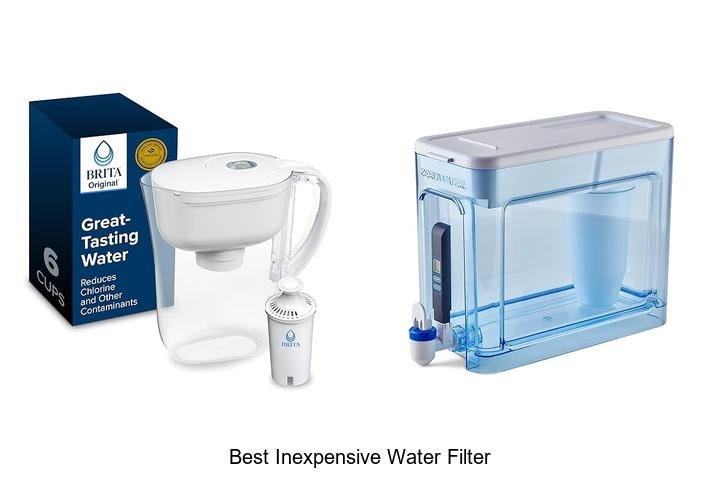
Top-rated water filter containers available in the market include Brita Pitchers, ZeroWater Containers, and PUR Water Filter Pitchers, all known for their effective filtration and user-friendly designs. These brands consistently receive high ratings for improving taste, reducing contaminants, and offering convenient filtering solutions.
Conclusion
The best water filter container offers a reliable solution for clean, purified water by combining convenience with effective filtration. While some models may have limitations related to capacity or filter replacement costs, their ease of use and ability to improve water taste and safety make them a practical choice for many households. Ideal for those who want accessible filtered water without complex setups, these containers suit busy lifestyles and small to medium families looking for healthier hydration options.
Buyers concerned about maintenance will find most filters designed for straightforward upkeep, ensuring long-term value. Overall, selecting the best water filter container depends on your specific needs, but it remains a sensible investment to enhance water quality with minimal effort and reasonable cost.