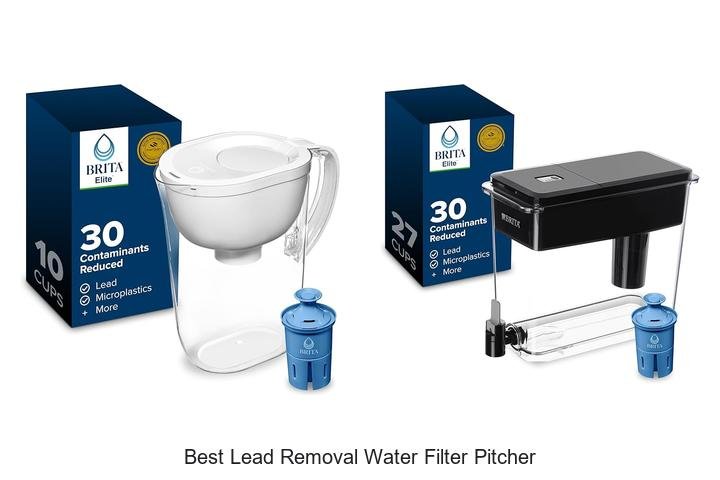
Best Water Filter For Home No Plastic You Can’t Ignore!
Many people want cleaner, safer drinking water but worry about plastic contaminating their supplies. Finding a reliable filtration system that avoids plastic components can be challenging.
This type of water filter is ideal for families and individuals who prioritize health and environmental impact. It often features durable, non-plastic parts that help reduce waste and limit chemical exposure.
Plus, it delivers clear-tasting water straight from your tap. In this review, we will explore the key features, benefits, and potential drawbacks of the best water filter for home no plastic.
Experience Pure Hydration with Eco-Friendly Solutions That Keep Your Home Plastic-Free
| Image | Product | Price |
|---|---|---|
Pick 1 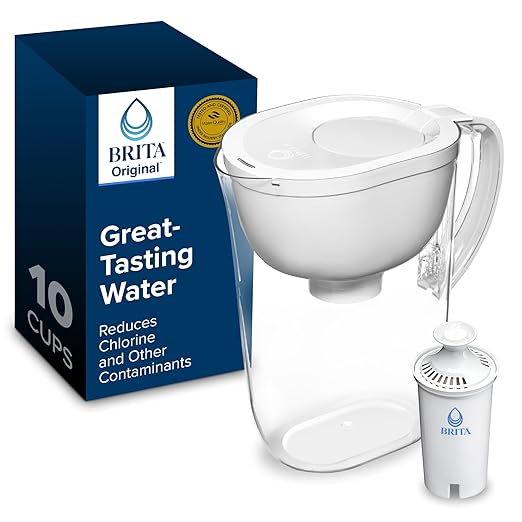 | Brita Large 10 Cup Water Filter Pitcher, Includes 1 Filter, | Check Price On Amazon |
8. Brita Large 10 Cup Water Filter Pitcher, Includes 1 Filter,
Experience fresh, clean water straight from your fridge with the Brita Large 10 Cup Water Filter Pitcher. Designed to reduce contaminants effectively, this water pitcher delivers great-tasting water without the hassle of plastic bottle waste.
Crafted to fit comfortably on most refrigerator shelves, the Brita pitcher complements any kitchen space. It offers a smart alternative to single-use plastic bottles, helping reduce environmental impact while providing pure water. The BPA-free construction ensures safety with every sip, and the easy-fill locking lid adds to hassle-free use.
The Brita Large 10 Cup Water Filter Pitcher provides reliable filtration by reducing chlorine taste and odor, mercury, copper, zinc, and cadmium. Its compatibility with both Longlast and Standard filters allows customization according to your filtration needs.
Lightweight yet sturdy, it holds enough water to fill three 24-ounce reusable bottles at once. This space-efficient design slides neatly onto refrigerator shelves, making it an excellent choice for families or individuals prioritizing clean and readily available water.
The pitcher stands as a cost-effective, environmentally sound solution for those who prefer filtered water at home. Quickly improving water taste and purity, it suits users seeking to minimize plastic use while enjoying great hydration. This product balances quality and practicality in a sleek, compact form.
This product balances quality and practicality in a sleek, compact form.
Pros
- Effectively reduces chlorine, heavy metals, and unpleasant tastes
- Generous 10-cup capacity fits well in most refrigerator shelves
- Compatible with both Longlast and Standard filters for flexibility
Cons
- Pitcher dimensions and lid design may vary depending on batch
The Brita Large 10 Cup Water Filter Pitcher provides an efficient, eco-friendly way to enjoy fresh and pleasant drinking water. Its solid build and thoughtful features make it easy to maintain a healthy hydration routine while reducing plastic waste. For anyone seeking a dependable home water filter, this pitcher offers excellent value and performance.
| Specification | Details |
|---|---|
| Capacity | 10 Cups |
| Filter Type | Compatible with Longlast & Standard |
| Dimensions | Height: 10.47″, Width: 5.59″, Length/Depth: 10.94″ |
| Weight | 2.29 Pounds |
| Material | BPA-free Plastic |
| Key Contaminants Reduced | Chlorine, Mercury, Copper, Zinc, Cadmium |
Pure & Safe: Your Ultimate Guide to the Best Plastic-Free Water Filters for Home
Material and build quality
When selecting a water filter designed to avoid plastic components, paying attention to the material and build quality is key for long-term satisfaction. Many of these filters utilize stainless steel, glass, or ceramic in their construction, which are well-regarded for their durability and resistance to corrosion, making them ideal for daily use in a home environment. Stainless steel is particularly popular for its strength and resistance to rust, while ceramic filters provide excellent filtration capabilities without degrading over time.
Stainless steel is particularly popular for its strength and resistance to rust, while ceramic filters provide excellent filtration capabilities without degrading over time. Additionally, products labeled as BPA-free and those carrying eco-friendly certifications offer peace of mind by confirming the absence of harmful chemicals and a reduced environmental impact. Opting for nonplastic materials not only supports safer drinking water but often means investing in a product built to last, less prone to wear and discoloration than their plastic counterparts.
Such attention to materials helps maintain water purity and contributes to a cleaner, more sustainable lifestyle.
Filtration technology
Choosing a water filter that avoids plastic components often means prioritizing durability and health benefits without compromising on performance. Many reliable options use natural materials like ceramic or activated carbon, which work effectively to reduce chlorine, sediments, and even some bacteria, providing clean and fresh-tasting water.
Maintenance tends to be straightforward, with filter replacements or cleanings scheduled about every few months depending on usage and water quality, ensuring consistent water purity without frequent hassle. Considering these aspects alongside flow rate and installation ease can lead to a satisfying experience where every glass offers peace of mind and a sustainable approach to hydration.
Health and environmental impact
Choosing a water filter that avoids plastic components can have a meaningful effect on both the taste and quality of your drinking water. These filters are designed to remove harmful substances and chemicals such as chlorine, heavy metals, and pesticides, which often impact both health and flavor.
By opting for a no-plastic water filter, you often engage with materials like stainless steel, glass, or ceramic that not only reduce the risk of chemical leaching but also contribute to a cleaner, crisper taste. From an environmental perspective, using filters without plastic parts helps minimize plastic waste, which is beneficial given the global issue of plastic pollution. The longer lifespan and reusability of such filters also reduce landfill contributions, making them a more sustainable choice for home water filtration.
Overall, selecting a system based on these qualities ensures enhanced water purity while supporting environmental conservation efforts.
Installation and compatibility
When setting up a water filter designed without plastic components, ease of installation plays a major role in keeping the process straightforward and hassle-free. Models that feature metal or other durable fittings often simplify connecting the system without relying on plastic adapters or connectors, which can add complexity. Compatibility with your existing plumbing setup is another critical aspect to monitor since some filters are built to fit standard home plumbing sizes, while others might require additional adjustments to match pipe diameters or faucet types.
Compatibility with your existing plumbing setup is another critical aspect to monitor since some filters are built to fit standard home plumbing sizes, while others might require additional adjustments to match pipe diameters or faucet types. Considering the space available for placement matters as well, since certain filtration units can be quite compact and fit neatly under a sink or in a utility area, while others may demand more room on countertops or attached to wall-mounted brackets. Taking these factors into account ensures a smoother installation experience and a setup that integrates seamlessly into the home environment without necessitating plastic parts or complicated modifications.
Water capacity and flow rate
When selecting a water filter for home use that avoids plastic components, matching the capacity to your household’s needs plays an important role in convenience and efficiency. For smaller families or individuals, a moderate capacity unit suffices, offering filtered water throughout the day without frequent refills, whereas larger households benefit from models designed to handle greater volumes, reducing interruptions during busy periods.
The flow rate is another aspect that influences everyday usability; a steady but not overly rapid flow ensures water is filtered thoroughly while preventing waste and tank overflow. Slower rates often mean better filtration but might be less practical during times when multiple people need water simultaneously. Additionally, storage options integrated without plastic parts often come in materials like stainless steel or glass, which not only maintain water taste and purity but also align with eco-conscious lifestyles by eliminating plastic leaching.
Selecting a system that balances capacity, flow rate, and non-plastic storage ensures a sustainable and practical solution, catering well to both individual and family hydration demands.
Cost and warranty
Choosing a water filter that avoids plastic components often means focusing on materials like stainless steel, glass, or ceramic that offer durability and do not leach chemicals into your drinking water. The key features to watch for include the filtration technology itself, whether it uses activated carbon, ceramic elements, or UV purification, as well as the ease of maintenance and replacement of parts without plastic fittings.
These filters work well in households aiming for cleaner, safer water while minimizing environmental impact. Common use cases involve removing chlorine, heavy metals, and sediments, improving taste and odor without introducing microplastics. When thinking about initial purchase price, it’s wise to balance upfront investment with the expected longevity of the filter elements; some models come with reusable components that can lower expenses over time.
Replacement filters or parts that are easy to source and install also help manage ongoing costs, so opting for brands with widely available accessories tends to save hassle and money. Customer support performance and clear warranty terms are valuable, as they can provide peace of mind and assistance if any issues arise, ensuring that your filtration system remains effective and hassle-free for years.
FAQ’s
What Are The Best Plastic-Free Water Filter Options For Home Use?
The best plastic-free water filter options for home use include stainless steel or glass gravity-fed filters with ceramic or carbon filter elements. These options avoid plastic contact with water while providing effective filtration.
How Do Plastic-Free Water Filters Compare To Traditional Plastic Models In Terms Of Performance?
Plastic-free water filters often perform on par with traditional plastic models in terms of filtration efficiency, effectively removing contaminants. However, they may sometimes have a shorter lifespan or require more frequent maintenance due to material limitations.
Are There Sustainable And Eco-Friendly Water Filters Available That Contain No Plastic Components?
Yes, there are sustainable and eco-friendly water filters available that contain no plastic components, often made from natural materials like ceramic, metal, or bamboo. These filters are designed to reduce environmental impact while effectively purifying water.
What Materials Are Commonly Used In Non-Plastic Water Filters For Homes?
Common materials used in non-plastic water filters for homes include activated carbon, ceramic, stainless steel, and glass. These materials effectively remove impurities without relying on plastic components.
How Can I Ensure My Home Water Filter Is Completely Free Of Plastic Parts?
To ensure your home water filter is completely free of plastic parts, look for models made with materials like stainless steel, glass, or ceramic and verify the product specifications or contact the manufacturer for detailed component information. Additionally, consider filters marketed as eco-friendly or sustainable, which often minimize or eliminate plastic usage.
Conclusion
Choosing the best water filter for home no plastic involves weighing both environmental impact and water quality. These filters offer the advantage of reducing plastic waste while providing clean, safe drinking water.
However, some models might require a higher initial investment and occasional maintenance to preserve efficiency. This type of water filter is particularly suitable for households prioritizing eco-friendly living and those sensitive to plastic contaminants.
Although not the most budget-friendly option, its long-term benefits justify the cost for many. Ultimately, selecting a no-plastic water filter comes down to balancing health, environmental goals, and budget—making it a thoughtful choice for conscientious buyers.