Best Water Filter For Home Reviews That Will Shock You
Clean and safe drinking water is a daily necessity, but not all home water sources provide the purity we expect. Contaminants, unpleasant tastes, and odors can affect water quality, making it harder to trust what’s coming from your tap.
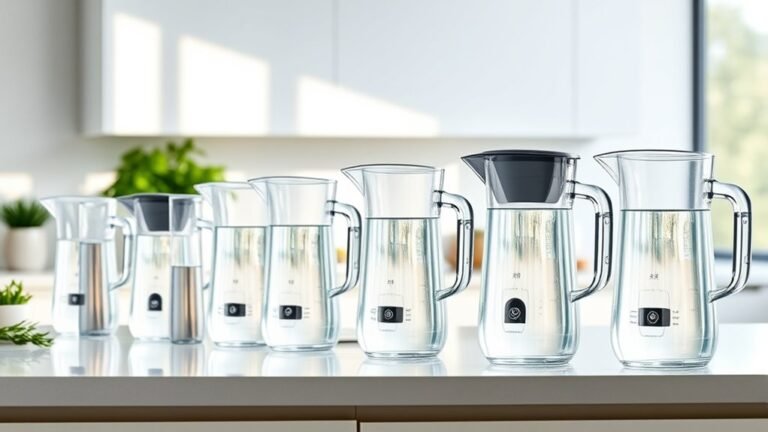
The best water filter for home reviews offer insights into devices designed to improve water quality directly in your living space. These filters are suitable for anyone looking to enhance their household water—whether for drinking, cooking, or general use. They typically reduce impurities, improve taste, and help protect your family’s health.
This review will cover the most reliable water filters on the market, comparing features like filtration methods, ease of installation, and maintenance. You’ll find clear information to help choose a water filter that matches your needs and budget without extra confusion.
Discover Top Solutions to Bring Pure, Refreshing Water Straight to Your Kitchen
| Image | Product | Price |
|---|
Top-Rated Home Water Filters: In-Depth Reviews to Find Your Perfect Fit
Water quality and contaminants
Choosing the right water filter for home use involves understanding the specific needs based on where you live and the quality of your water supply. Many find it helpful to begin by identifying local water concerns, which often vary depending on the source, such as municipal water versus well water.
Checking for recognized filter certifications and standards provides confidence that the product meets safety and effectiveness benchmarks set by reputable organizations. By focusing on these aspects, a buyer can select a water filter that not only improves taste and odor but also addresses health-related issues, making everyday hydration safer and more enjoyable.
Installation and maintenance
When choosing the best water filter for home reviews, ease of installation often makes a big difference in overall satisfaction. Many models are designed to fit standard faucets or under-sink connections, allowing users to set them up without professional help, which can save time and money.
It’s helpful to select a filter with easily accessible components, making cleaning or part changes straightforward. Availability of replacement parts plays a key role in ensuring the filter remains effective over time, so going with brands that provide widely stocked cartridges or filters compatible with common sizes is a smart move.
Choosing a system that balances straightforward setup with manageable maintenance will make daily use hassle-free while maintaining clean, fresh water consistently.
Filter capacity and lifespan
When selecting a water filter for home use, understanding how many gallons each cartridge can filter before needing replacement helps manage maintenance and costs effectively. A reliable system will usually provide an estimate of the filtered water volume per cartridge, which often ranges from hundreds to several thousand gallons, depending on the filter type and brand. Paying attention to replacement frequency recommended by manufacturers ensures your water stays fresh and contaminant-free without unexpected drops in performance.
Paying attention to replacement frequency recommended by manufacturers ensures your water stays fresh and contaminant-free without unexpected drops in performance. Some models feature convenient indicator lights or apps that alert you when it’s time to change the filter, adding ease and confidence to your daily routine. This is particularly useful for households with varying water consumption, as it prevents the guesswork associated with filter changes.
By considering these aspects alongside your household’s water usage, you can pick a water filter that maintains quality over time without frequent interruptions or hidden costs.
Types of water filters
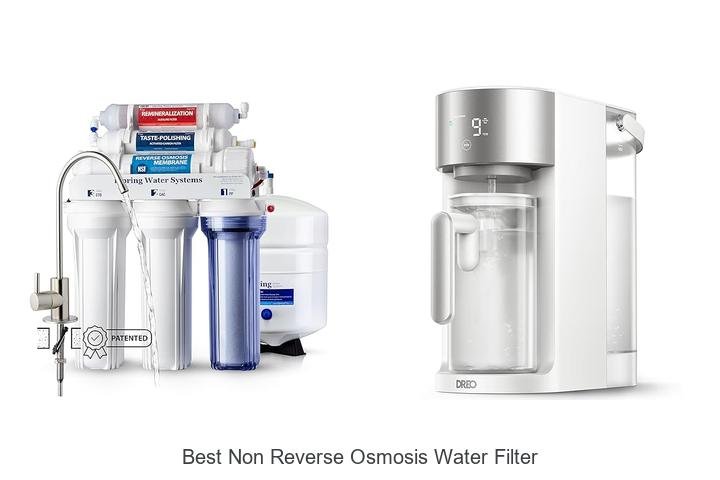
When choosing a water filter for your home, understanding the different methods can help you find the right fit for your needs. Activated carbon filters are excellent at improving taste and odor by trapping chlorine and organic compounds, making them ideal for everyday drinking water enhancement. Reverse osmosis systems provide thorough filtration by pushing water through a semi-permeable membrane, removing a wide range of contaminants including heavy metals and salts, which is especially useful for households with concerns about water purity.
Ultraviolet or UV filters focus on eliminating bacteria and viruses by exposing water to UV light, making them a solid choice for ensuring microbiological safety without altering the water’s mineral content. Ceramic filters operate through their tiny pores, effectively reducing sediments and pathogens; these are often favored for their durability and ease of cleaning.
Distillation units boil water and then condense the steam back into liquid, which can remove most impurities, though the process tends to be slower and uses more energy. When deciding what to buy, consider the quality of your water source, your budget, and the maintenance each filter type requires. Matching these features with your household’s specific water concerns will guide you toward a solution that keeps your family’s water clean and healthy with minimal hassle.
Matching these features with your household’s specific water concerns will guide you toward a solution that keeps your family’s water clean and healthy with minimal hassle.
Cost considerations
Choosing a water filter for your home involves understanding the key features that will suit your daily needs and lifestyle. Among the important aspects to focus on are the filtration method, capacity, and installation type. Some water filters rely on activated carbon to remove chlorine and odors, while others use reverse osmosis or ultraviolet light to target a broader range of contaminants such as heavy metals, bacteria, and viruses.
Matching the filter’s capacity to the number of household members ensures a consistent supply of clean water without frequent replacements. Installation options vary from countertop systems that are easy to set up to under-sink models that save space but may require professional help.
Considering the use cases, if your water source has specific impurities like hard minerals or sediment, selecting a filter designed to handle those issues will improve taste and safety. For families with young children or individuals with health concerns, filters that meet NSF/ANSI standards for contaminant reduction provide added peace of mind. Paying attention to the initial purchase price and ongoing maintenance is worthwhile since a filter system affordable upfront might incur higher long-term replacement costs for cartridges or membranes.
Paying attention to the initial purchase price and ongoing maintenance is worthwhile since a filter system affordable upfront might incur higher long-term replacement costs for cartridges or membranes. Some models operate without electricity while others have energy-consuming pumps or UV lamps, which can influence your utility bills. Balancing these factors along with user-friendliness, such as how often filters need changing and availability of replacement parts, helps make a satisfying choice that keeps your household’s water pure and refreshing without hassle.
Additional features and benefits
Choosing the right water filter for home use can make a remarkable difference in the quality of your drinking water and overall household health. A key feature to pay attention to is the water flow rate, which determines how quickly filtered water is available without compromising taste or purity.
Another important aspect is filter performance efficiency, which reflects how well the system removes contaminants such as chlorine, sediments, heavy metals, and microorganisms while maintaining beneficial minerals. A highly efficient filter not only improves water taste but also protects appliances and plumbing by reducing scale build-up.
Warranty and customer support often speak volumes about the brand’s confidence and commitment to user satisfaction. Choosing a product backed by a solid warranty can provide peace of mind and assistance if any issues arise during use.
Practical use cases vary from needing a filter for daily drinking water, cooking, or even whole-house filtration, so selecting one that aligns with your household size and specific water concerns makes a notable difference. From my experience, opting for a water filter system that balances reliable contaminant removal, reasonable flow rate, and responsive customer service ensures you enjoy clean, fresh water hassle-free for years to come.
FAQ’s
How Often Do Home Water Filters Need To Be Replaced Or Maintained?
Home water filters generally need to be replaced every 3 to 6 months, depending on usage and water quality. Regular maintenance, such as cleaning or flushing the filter, should be done according to the manufacturer’s instructions to ensure optimal performance.
How Do Different Types Of Home Water Filters Compare In Terms Of Effectiveness?
Activated carbon filters are highly effective at removing chlorine, sediment, and some VOCs, while reverse osmosis systems provide more comprehensive filtration, eliminating a wider range of contaminants including heavy metals and dissolved solids. Ceramic filters excel at filtering bacteria and protozoa but may not remove chemical contaminants as effectively as other types.
Are Countertop Water Filters Better Than Under-Sink Models For Household Use?
Countertop water filters are generally easier to install and more portable, making them convenient for renters or those who want a simple solution. However, under-sink models tend to provide a more comprehensive filtration system and save counter space, often making them better suited for long-term household use.
What Are The Top-Rated Water Filters For Home Use In 202
Some of the top-rated water filters for home use in 2024 include the Brita Longlast+ for affordable pitcher filtration, the APEC Top Tier RO-90 for advanced reverse osmosis purification, and the Berkey Water Filter for versatile countertop filtering. These systems are praised for their effective contaminant removal and ease of use.
What Features Should I Look For When Choosing A Water Filter For My Home?
When choosing a water filter for your home, look for features such as certified contaminant removal (e.g., lead, chlorine, bacteria), filter lifespan, and flow rate. Additionally, consider the type of filtration technology (like activated carbon or reverse osmosis) that best suits your water quality needs.
Conclusion
Choosing the right water filter for your home involves balancing factors like filtration effectiveness, ease of installation, maintenance needs, and cost. The products highlighted in the best water filter for home reviews showcase a range of options that excel in removing contaminants and improving water taste, while some may require more frequent filter changes or higher upfront investment.
Those seeking reliable water purification with minimal hassle will find suitable choices here. For families concerned about health and safety, or individuals wanting better-tasting water, these filters offer tangible benefits. Addressing concerns such as filter lifespan and compatibility helps clarify what fits specific household needs.
Overall, these insights provide a solid foundation for selecting a water filter that meets both quality and practical expectations.