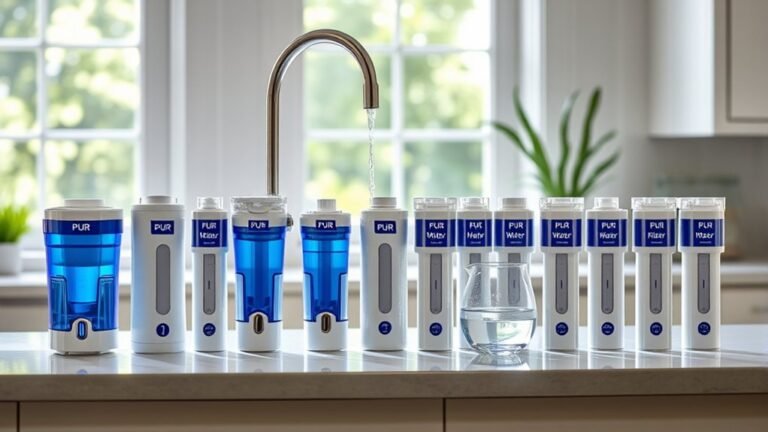
Best Water Filter For Home: Discover Pure Water Now!
Many people are concerned about the quality of their tap water but aren’t sure how to improve it effectively. Choosing the right filtration system can feel overwhelming with so many options available.
That’s where finding the best water filter for home becomes essential. A reliable water filter not only removes impurities but also enhances the taste and safety of your drinking water. This product is ideal for families, health-conscious individuals, and anyone looking to reduce contaminants in their daily water supply.
In this review, we will explore key features, filtration methods, and what makes certain models stand out. By the end, you’ll have a clearer idea of which water filter suits your household needs best.
Discover the Top Solutions to Ensure Pure, Refreshing Water for Your Family
| Image | Product | Price |
|---|---|---|
Pick 1  | Brita X-Large 27 Cup Water Dispenser, Includes 1 Filter, Black | Check Price On Amazon |
7. Brita X-Large 27 Cup Water Dispenser, Includes 1 Filter, Black
Enjoy refreshing and clean water easily with the Brita X-Large 27 Cup Water Dispenser. Designed to efficiently filter impurities, this dispenser offers a simple way to improve your tap water’s taste and quality. Its substantial capacity makes it a perfect choice for families or anyone who values convenient access to filtered water.
Its substantial capacity makes it a perfect choice for families or anyone who values convenient access to filtered water.
The sleek black design is created to fit neatly in your fridge, helping you save space while keeping water chilled and ready. Included with the dispenser is a high-performance Standard filter that reduces chlorine taste, odor, and harmful metals like copper and mercury.
This water dispenser holds an impressive 27 cups, making it ideal for households requiring frequent servings without constant refills. The BPA-free container ensures safety while accommodating your drinking water needs. The filtering process works efficiently to enhance the flavor of tap water by cutting down impurities, providing a great alternative to bottled water.
Built for convenience, the dispenser offers a precision-pour spigot that minimizes spills and controls flow. The easy-locking lid helps maintain freshness and prevents contamination.
An innovative sticker indicator gently reminds when a filter change is due, maintaining consistent water quality without guesswork.
Switching to Brita’s water filter system supports environmental efforts by reducing plastic bottle waste. It’s suitable for anyone wanting cleaner drinking water with less hassle.
Pros
- Large 27-cup capacity fits well in most refrigerators
- Removes chlorine taste, odor, and reduces harmful metals
- Filter change indicator ensures timely maintenance
Cons
- Filter replacement required approximately every two months for standard filter
With its combination of size, effective filtration, and user-friendly design, the Brita X-Large 27 Cup Water Dispenser stands out as a practical solution for cleaner home hydration. It offers a reliable alternative to buying bottled water and fits seamlessly into everyday routines. Below is a quick overview of its specifications for easy reference.
Specification Details Capacity 27 cups Filter Type Included Standard water filter Filter Life 40 gallons or approximately 2 months (Standard filter) Filter Compatibility Standard and Elite filters Material BPA-free plastic Dimensions Fridge-friendly size Color Black
Discover the Ultimate Guide to Choosing the Best Water Filter for Your Home
Installation and maintenance
Choosing a water filtration system often involves thinking about how easy it is to set up, as some models are designed for simple do-it-yourself installation while others might require a professional’s help to integrate seamlessly with existing plumbing. Once installed, the process of changing filters should be straightforward and not too costly since filters vary in lifespan and replacement price.
Regular maintenance tasks usually include flushing the system or cleaning parts to keep performance consistent, which helps avoid any buildup that could affect water quality. Taking the time to understand these aspects can save effort and expense over time, making the daily use of filtered water convenient and hassle-free.
Filter capacity and lifespan
When choosing a best water filter for home, paying attention to flow rate and daily water usage can greatly enhance your experience. A filter with a higher flow rate suits households that consume larger amounts of water throughout the day, preventing slow filtration that can cause inconvenience.
Capacity relative to household size should also guide your decision—smaller families may do well with compact filters, while larger homes benefit from units designed to handle higher volumes without compromising on purity. By balancing these factors, one can select a water filter that seamlessly integrates with daily routines, delivering clean and refreshing water efficiently over time.
Certifications and standards
When choosing the best water filter for home use, paying attention to certifications and standards can provide added confidence that the product truly delivers clean and safe water. Filters that have undergone rigorous NSF/ANSI certification have passed independent testing verifying their ability to reduce specific contaminants effectively, which can be a key factor in ensuring water quality meets your household needs.
Equally important is reviewing the warranty and customer support offerings since a solid warranty reflects the manufacturer’s confidence in their product and provides peace of mind when maintenance or replacements are needed. Responsive customer service can make a significant difference if any issues arise or guidance is required during installation, making these aspects worth prioritizing alongside filtration capabilities and filter lifespan.
Water quality and contaminants
When choosing a water filtration system, understanding the specific conditions of your local water supply plays a key role in making the right decision. Different areas can have varying levels of contaminants like chlorine, lead, sediment, or bacteria, which influence the type of filter needed.
Testing your home water supply is a straightforward step that provides insight into what impurities are present, helping to tailor your filtration choice accordingly. Common contaminants to remove can include chemicals that affect taste and odor, heavy metals that pose health risks, and particulates that cloud water clarity.
Recognizing these factors allows for selecting a filter with appropriate features, such as activated carbon to reduce chemical residues or reverse osmosis systems designed to eliminate a broad spectrum of pollutants. Taking the time to analyze water quality beforehand ensures the filtration system delivers both safe and pleasant-tasting water for everyday use.
Types of water filters
When choosing a water filter for everyday household use, understanding how different filtration technologies work can help make the selection easier. Activated carbon filters are popular for improving taste and removing chlorine along with some organic contaminants; they tend to be affordable and straightforward to maintain, making them ideal for general use such as kitchen sinks or pitchers.
Reverse osmosis systems go a step further by pushing water through a semi-permeable membrane, effectively clearing out a wide range of impurities, including heavy metals and salts, which makes them suitable for households seeking purer, almost bottled-water-quality results. On the other hand, UV and ceramic filters focus more on sterilization, using ultraviolet light or tiny porous structures to eliminate bacteria and other microbes, excellent choices for those concerned about biological contaminants rather than chemical ones. When shopping, it’s helpful to assess the specific water quality issues you face, the filter’s compatibility with your home setup, how often filters require changing, and the overall cost of ownership.
Personal water needs and budget will also guide whether a simple activated carbon filter or a more comprehensive reverse osmosis system is the better fit for your household.
Budget and longterm costs
The initial purchase price of a water filter often reflects its build quality and filtration technology, which can range from basic pitcher models to more sophisticated under-sink systems. While a higher upfront cost might seem daunting, it usually translates into better performance and durability. Replacement filter expenses add up over time, so paying attention to how frequently filters need changing and the cost of these replacements is essential to manage ongoing spending.
Some filters require changing every few months, whereas others last much longer, affecting total cost of ownership. Additionally, operational costs like energy consumption can vary, especially with electric models such as those featuring UV purification or reverse osmosis.
Considering how much power the unit uses helps avoid surprises on utility bills. Balancing these factors by weighing the initial investment against long-term maintenance and operational costs will help achieve both clean water and reasonable expenses over the lifespan of the water filtration system.
FAQ’s
Which Water Filter Brand Provides The Best Value For Home Purification?
Brita offers some of the best value for home water purification due to its affordable price and effective filtration capabilities. Additionally, PUR is highly regarded for removing more contaminants, making it another excellent choice for quality and cost-efficiency.
How Often Should Home Water Filters Be Replaced Or Maintained?
Home water filters should typically be replaced every 3 to 6 months, depending on the manufacturer’s recommendations and water quality. Regular maintenance, such as cleaning pre-filters and checking for clogs, should be done monthly to ensure optimal performance.
What Are The Key Features To Look For In The Best Water Filter For Home Use?
The best water filter for home use should have effective contaminant removal, including bacteria, chlorine, and heavy metals, along with certifications for safety and quality. Additionally, it should offer ease of installation, low maintenance, and a suitable filtration capacity for your household needs.
Can A Home Water Filter Remove All Common Contaminants From Tap Water?
A home water filter can remove many common contaminants from tap water, such as chlorine, sediment, and some heavy metals, but it may not eliminate all harmful substances like certain bacteria, viruses, or dissolved chemicals. For complete water purification, additional treatment methods or specialized filters are often required.
How Do Different Types Of Home Water Filters Compare In Terms Of Effectiveness?
Activated carbon filters are highly effective at removing chlorine, odors, and some pesticides, while reverse osmosis systems provide the most comprehensive filtration by eliminating a wide range of contaminants, including heavy metals and dissolved solids. Ceramic filters excel at trapping bacteria and sediments but may not remove chemicals, making each type suited to different water quality needs.
Conclusion
Choosing the best water filter for home use involves balancing clean water quality, ease of installation, maintenance frequency, and cost. Many filters effectively remove common contaminants like chlorine, lead, and sediments, improving taste and safety. However, some systems may require frequent filter changes or might be bulkier, which could be inconvenient for smaller kitchens.
This type of filter suits families and individuals who prioritize consistent access to purified water without relying on bottled alternatives. If concerns about filter lifespan or compatibility arise, checking user reviews and product specifications can help clarify.
Overall, selecting the best water filter for home depends on specific household needs, but investing in a reliable system enhances daily health and hydration confidently and practically.