Best Water Filter For Homebrewing You Need To Try Now
Water quality plays a key role in the flavor and consistency of your homebrewed beer. Hard water, chlorine, and unwanted minerals can interfere with yeast activity and taste, making it harder to achieve the brew you want. Finding the best water filter for homebrewing helps you control these factors and improve your final product.
Finding the best water filter for homebrewing helps you control these factors and improve your final product. A reliable water filter designed specifically for homebrewing removes impurities while maintaining the right mineral balance. This type of filter is ideal for hobbyists and small-batch brewers who want cleaner water without overcomplicating the process.
By using an effective filter, you can expect better control over water chemistry and a smoother brewing experience. This review will explore different filters suited to homebrewing needs.
You will learn about their key features, benefits, and how they compare, helping you select a filter that fits your setup and brewing style.
Purify Your Brew: Top Choices to Elevate Your Homecrafted Beverages
| Image | Product | Price |
|---|---|---|
Pick 1  | Whole House Water Filter System for Well Water,3-Stage,2-Year Filter Supply | Check Price On Amazon |
7. Whole House Water Filter System for Well Water,3-Stage,2-Year Filter Supply
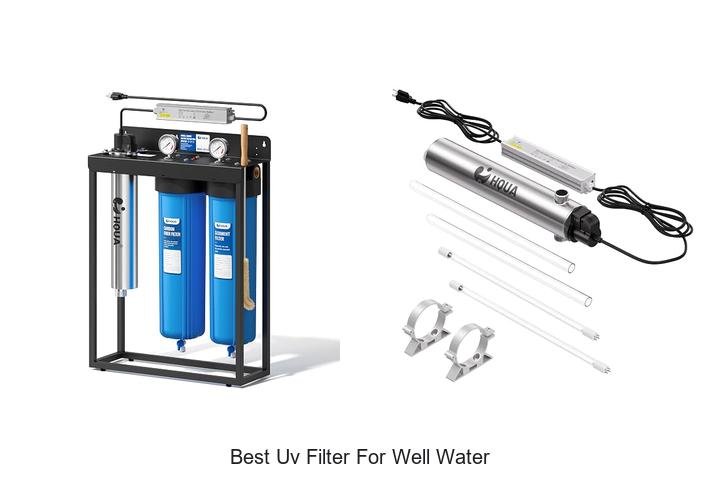
Enhance your home’s water quality effortlessly with the Whole House Water Filter System for Well Water. Designed to serve an entire household, this three-stage filtration unit targets sediment, chlorine, and odors without stripping away essential minerals. It delivers cleaner water to every tap, improving taste and comfort throughout your living space.
It delivers cleaner water to every tap, improving taste and comfort throughout your living space.
Ideal for both well and city water sources, this system provides long-term efficiency with a generous supply of replacement filters. Its user-friendly design incorporates features that simplify installation and maintenance, making it a practical choice for families seeking a reliable solution to water impurities.
This comprehensive water filter uses a three-stage process to eliminate common contaminants, enhancing water clarity and scent for cooking, drinking, and bathing. The set comes equipped with three full filter cartridge sets, providing up to two years of filtration without the need for additional purchases.
Each cartridge is carefully designed to preserve healthy minerals while removing unwanted substances, maintaining a natural water balance.
Installation is simplified by the built-in bypass valve and two shut-off valves, allowing effortless filter replacements without shutting off the main water supply. The system fits standard 3/4 plumbing and arrives with all necessary accessories, including filter cartridges, valves, connectors, and tools.
Its compact form factor fits neatly under sinks or in utility rooms, optimizing space without compromising performance.
Compared to other whole-house filters, this model balances thorough filtration with ease of upkeep and cost savings over time. It suits families and individuals who value consistent access to fresh, clean water from every faucet.
Pros
- Three-stage filtration effectively removes sediment, chlorine, and odors
- Includes 1.5 to 2 years’ supply of replacement filters in one package
- User-friendly design with built-in bypass and shut-off valves for easy maintenance
Cons
- Does not reduce Total Dissolved Solids (TDS), focusing only on sediment and chlorine
This whole house filter system delivers effective, multi-stage water purification with minimal hassle. It suits anyone looking to improve water quality throughout their home while avoiding frequent filter replacements or complicated installation.
| Feature | Details |
|---|---|
| Filtration Stages | 3-Stage (Sediment, GAC, CTO filters) |
| Filter Life | 1.5 to 2 years (3 full sets included) |
| Water Source Compatibility | Well Water and City Water |
| Installation Features | Built-in bypass valve, 2 shut-off valves |
| Plumbing Fit | Standard 3/4-inch |
| Included Components | PP filters (3), GAC filters (3), CTO filters (3), wrench, tape, valves, faucet connectors, housing, manual |
Unlock Pure Flavor: The Ultimate Guide to Choosing the Best Water Filter for Homebrewing
Filter capacity and flow rate
Choosing the right water filter for homebrewing means paying close attention to how the filter size corresponds with your brewing volume. Smaller filters can struggle if you brew large batches, potentially slowing down your process, while larger filters can handle bigger volumes more comfortably. The speed of filtration plays a key role in maintaining brewing efficiency since faster filtration helps avoid long waits and keeps the workflow smooth.
The speed of filtration plays a key role in maintaining brewing efficiency since faster filtration helps avoid long waits and keeps the workflow smooth. Additionally, considering the lifespan and maintenance frequency of the filter will save time and effort over repeated brewing cycles. Filters that require less frequent replacement or simple cleaning routines tend to be more convenient for those brewing regularly, ensuring that the water quality remains consistent without causing interruptions.
Water quality requirements for homebrewing
When examining water quality necessary for homebrewing, understanding the hardness and pH levels plays a significant role in the final taste and brewing process. Water hardness, determined by calcium and magnesium content, influences yeast performance and the mouthfeel of the beer, while pH affects enzymatic activity during mashing. Identifying common contaminants such as sediments, iron, and sulfur compounds helps prevent off-flavors or brewing issues.
One aspect often overlooked is the presence of chlorine and chloramine used in municipal water supplies, which can impart unpleasant flavors like medicinal or plastic notes to the beer. Using appropriate filtration or treatment methods to remove these chemicals can lead to a cleaner and more balanced brew.
Selecting water with balanced minerals and free from unwanted compounds provides a solid foundation for brewing beers with consistent quality and desirable flavor profiles.
Types of water filters suitable for homebrewing
Choosing a water filter for homebrewing often involves comparing carbon filters and reverse osmosis systems since both offer distinct advantages. Carbon filters excel at improving taste and removing chlorine or organic compounds that might affect the flavor of your brew, making them an excellent choice for enhancing water quality without stripping too many minerals. Reverse osmosis systems, on the other hand, provide thorough purification by removing a wide range of impurities, including dissolved solids, which allows full control over mineral content when adjusting recipes.
Sediment filtration is equally beneficial because it clears out particles like sand and rust, protecting brewing equipment from potential clogging or damage. For those concerned about microbiological safety, some setups integrate UV purification options, which use ultraviolet light to neutralize bacteria and viruses without adding chemicals, offering peace of mind especially when using water sources of uncertain quality.
When selecting a water filter setup, consider the specific brewing style, local water quality, and desired flavor profile to achieve the best results.
Impact on brewing flavor and consistency
The impact on brewing flavor and consistency hinges largely on how filtration affects the mineral content of your water. Minerals like calcium, magnesium, and sodium play significant roles not only in yeast health and fermentation but also in accentuating various flavor notes in the final brew.
Maintaining consistency across batches becomes easier once the water quality is stabilized, allowing you to reproduce your signature taste reliably. Paying attention to how minerals are filtered out or retained will guide you in choosing a system that meets your brewing needs while supporting flavor balance and overall batch uniformity.
Ease of installation and maintenance
When choosing the best water filter for homebrewing, understanding the installation methods can greatly influence your experience. Some filters are designed to be installed under the sink, providing a discreet and permanent solution that keeps your brewing area uncluttered.
Inline filters, which connect directly to your water line, are often favored for their seamless integration and consistent water flow. The filter replacement process varies depending on the type you select; cartridge lifespan and pricing are vital factors to keep in mind since frequent replacements can add up over time.
It helps to pick a system with readily available replacement parts to avoid downtime. Regular cleaning and upkeep practices depend on the design as well—some units require simple rinsing, while others benefit from occasional deep cleaning to prevent buildup and maintain water purity. By considering these aspects carefully, you can find a water filter that fits your space, keeps maintenance manageable, and supports the flavor quality of your brews without hassle.
By considering these aspects carefully, you can find a water filter that fits your space, keeps maintenance manageable, and supports the flavor quality of your brews without hassle.
Budget and longterm costs
When deciding on a water filter for homebrewing, understanding the balance between the initial investment and ongoing expenses can make a significant difference in satisfaction and results. Some models require a higher upfront cost but tend to have longer-lasting filters, reducing how often replacements are necessary. On the other hand, some affordable filters might save money at first but involve frequent purchases of replacement cartridges and parts, which can add up over time.
Paying attention to the availability and price of replacement filters is key, since these consumables represent the majority of ongoing costs. Considering your brewing volume and how particular water quality adjustments fit your recipe goals will help in evaluating the best value.
A filter that perfectly matches your needs without excessive maintenance or unexpected expenses can improve your brewing experience while keeping costs manageable over the long run.
FAQ’s
Which Types Of Water Filters Are Most Effective For Removing Chlorine And Other Contaminants In Brewing Water?
Activated carbon filters are most effective for removing chlorine and chloramine from brewing water, while reverse osmosis systems excel at eliminating a wide range of other contaminants. Combining both methods can ensure optimal water purity for brewing.
Can A Water Filter Improve The Ph Balance And Mineral Content For Optimal Brewing?
Yes, a water filter can improve the pH balance and mineral content by removing impurities and adjusting water hardness, resulting in better extraction and flavor for optimal brewing. Proper mineral levels and balanced pH are essential for enhancing coffee or tea taste.
What Are The Key Features To Look For In A Water Filter For Homebrewing?
Key features to look for in a water filter for homebrewing include the ability to remove chlorine, chloramines, and heavy metals, as these can affect the taste and quality of the beer. Additionally, it should maintain essential minerals that contribute to the brewing process while providing consistent filtration and ease of use.
How Does Water Quality Affect The Taste And Quality Of Homebrewed Beer?
Water quality directly impacts the taste and quality of homebrewed beer by influencing the beer’s mineral balance, pH, and fermentation process. Contaminants or improper mineral levels can cause off-flavors, spoilage, or undesirable textures, while clean, well-balanced water enhances the beer’s flavor profile and overall quality.
What Are The Top-Rated Water Filters Recommended By Homebrewing Enthusiasts?
Top-rated water filters recommended by homebrewing enthusiasts include the Berkey Water Filter and the Brita Longlast+ filter, both known for effectively removing chlorine and other impurities that can affect beer flavor. Additionally, some brewers prefer reverse osmosis (RO) systems like the APEC RO-90 for precise mineral control.
Conclusion
Selecting the best water filter for homebrewing involves balancing water purity, ease of use, and maintenance needs. High-quality filters effectively remove chlorine, chloramines, and unwanted minerals that can negatively impact flavor, while some models may require more frequent cartridge changes or have a higher upfront cost.
This type of water filter is ideal for those who prioritize control over water characteristics to achieve consistent and flavorful brews. Buyers should consider factors such as filter lifespan, water flow rate, and the specific contaminants present in their water source. Ultimately, choosing a reliable water filter tailored for homebrewing can enhance the brewing process without adding complexity, making it a practical investment for both casual and serious brewers aiming for better-tasting beer.