Best Water Filter For Iron Bacteria That Actually Works!
Dealing with iron bacteria in your water supply can cause stubborn stains, unpleasant odors, and clogged pipes, making everyday tasks frustrating. Finding a reliable way to tackle this issue starts with choosing the best water filter for iron bacteria.
A good water filter for iron bacteria is ideal for homeowners using well water or anyone noticing reddish-brown residue and foul smells coming from their taps. With the right filter, you can protect your household plumbing and improve water quality for cooking, cleaning, and drinking.
This review will explore key features to look for, how different filters handle iron bacteria, and which models provide consistent performance. By the end, you’ll have a clearer idea of the options available to make an informed choice that fits your needs.
Say Goodbye to Stubborn Water Contaminants with These Top Filtration Solutions
| Image | Product | Price |
|---|---|---|
Pick 1  | The Sulfur Eliminator Iron Buster Replacement Well Water Filter, Designed | Check Price On Amazon |
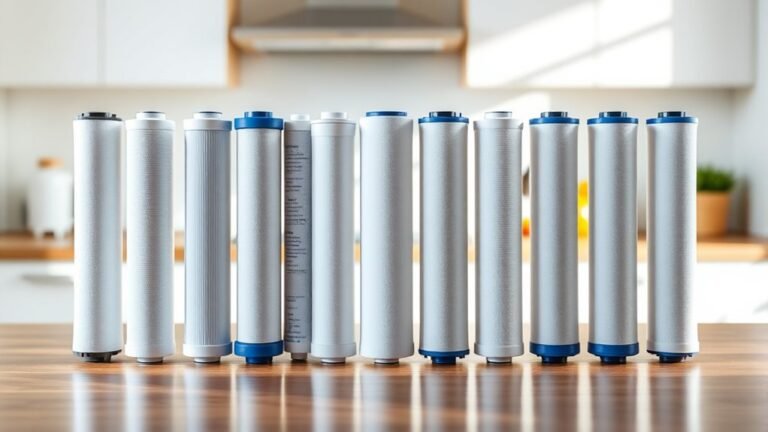
10. The Sulfur Eliminator Iron Buster Replacement Well Water Filter, Designed
Experience cleaner, healthier water with the Sulfur Eliminator Iron Buster Replacement Well Water Filter. Designed to work seamlessly with the Sulfur Eliminator Deluxe system, this filter also fits standard whole-house canister setups.
Perfect for homes relying on well water, it targets multiple impurities while maintaining strong system performance. Enjoy peace of mind with reliable filtration, keeping your water fresh and clear throughout the year.
The Sulfur Eliminator Iron Buster Replacement filter specializes in removing iron, rust, and sediment from well water. It addresses over 50 types of impurities commonly found in private water sources, improving taste, color, and overall water health. This capability reduces buildup in piping and appliances, extending their lifespan.
Built with durability in mind, the filter delivers efficient performance year-round without frequent replacements. Its design allows straightforward installation into the Sulfur Eliminator Deluxe or typical whole house canister systems.
Alongside its function, the filter comes backed by a lifetime warranty on the Sulfur Eliminator Deluxe, as long as annual replacement is observed. This offers long-term value and peace of mind.
Compared to other iron filters, the Iron Buster provides broad impurity coverage and compatibility with popular whole-house setups.
Pros
- Effectively removes iron, rust, sulfur, and sediment for improved water quality
- Compatible with Sulfur Eliminator Deluxe and standard whole-house canister systems
- Durable design with easy, annual replacement plus a lifetime system warranty
Cons
- Must be replaced once per year to maintain warranty and performance
Reliable and straightforward, the Sulfur Eliminator Iron Buster Replacement filter is an excellent choice for improving well water conditions affected by iron bacteria. Its broad filtration ability and ease of use make it a beneficial upgrade over standard filters. Maintaining fresh, clear water becomes simple with this dependable cartridge.
Maintaining fresh, clear water becomes simple with this dependable cartridge.
| Specification | Details |
|---|---|
| Compatible Systems | Sulfur Eliminator Deluxe, standard whole house canister systems |
| Filtration Targets | Iron, rust, sulfur, sediment, 50+ impurities |
| Replacement Frequency | Once per year |
| Warranty | Lifetime warranty with annual filter replacement |
Top Tips to Choose the Best Water Filter for Iron Bacteria-Free Water
Water quality testing and compatibility
When dealing with iron bacteria in your water supply, testing the water accurately helps identify the concentration and presence of these microorganisms, which often cause staining and unpleasant odors. It’s equally important to recognize other contaminants like manganese, hydrogen sulfide, or sediment that might coexist, as selecting a filtration system compatible with multiple issues can save time and resources. Incorporating a prefiltration system enhances the overall performance by removing larger particles and reducing clogging, thereby extending the lifespan of the main water filter and maintaining consistent flow rates.
Taking the time to evaluate your water sample through reliable testing kits or professional lab analysis provides valuable insight into which filtration technology will work best for your specific water chemistry and household needs.
Installation and maintenance considerations
Choosing the best water filter for iron bacteria often involves thinking about how easy it will be to install in your current plumbing setup, especially if you aren’t experienced with complex fittings. Many models come with clear instructions and standardized connections that make the process straightforward even for beginners. Regular maintenance typically includes cleaning or replacing filter cartridges and occasionally backwashing depending on the filter type, so selecting a system with accessible parts and a hassle-free cleaning routine can save time and frustration.
It’s also helpful to check the availability and cost of replacement parts before making a purchase since some specialized filters might have expensive or hard-to-find components, which could potentially add to the long-term expense and effort required to keep the system running effectively.
Filtration capacity and efficiency
Choosing a water filter that effectively tackles iron bacteria hinges on understanding how well it can remove specific contaminants while maintaining a steady flow rate that meets your household’s water usage. Filters designed for iron bacteria often boast strong contaminant removal rates for iron, manganese, and sulfur compounds, which are common culprits causing unpleasant taste, staining, and odors. When selecting a model, it’s helpful to consider the flow rate to ensure the filtration system can handle the daily volume of water you use without slowing down your supply or wasting excess water.
Another important aspect is the lifespan of the filter media and the maintenance required to keep the system running smoothly. Some filters might necessitate frequent replacement cartridges or backwashing, which can affect convenience and ongoing costs.
Balancing a unit that combines reliable filtering performance with manageable upkeep will provide a practical solution that lasts while effectively addressing the unique challenges posed by iron bacteria in your water supply.
Types of water filters for iron bacteria
When selecting a water filtration system to combat iron bacteria, understanding the different available methods can greatly influence the effectiveness and maintenance of your setup. Mechanical filtration methods are often the first step, working by physically trapping particles and rust stains caused by bacterial presence.
Chemical and oxidation filters add another layer by using substances such as chlorine or potassium permanganate to oxidize iron, which then becomes easier to remove through filtration or flushing. This approach not only improves water clarity but also helps control the slimy buildup associated with iron bacteria.
Ultraviolet light systems serve a complementary function by exposing water to UV rays, which disrupt the DNA of bacteria, effectively neutralizing their ability to reproduce and cause further contamination. For someone new to choosing these systems, it’s helpful to evaluate your water’s iron concentration, flow rate needs, and whether ongoing maintenance fits your schedule. Balancing between mechanical filtration, chemical oxidation, and UV sterilization often yields the best results in maintaining clean and safe water free from iron bacteria complications.
Balancing between mechanical filtration, chemical oxidation, and UV sterilization often yields the best results in maintaining clean and safe water free from iron bacteria complications.
Understanding iron bacteria and its effects
Iron bacteria are a type of naturally occurring microorganism found in water, especially in wells and groundwater sources with elevated iron content. These bacteria feed on iron, producing a slimy, reddish-brown residue that can clog pipes, well screens, and plumbing fixtures. Their presence often results in unpleasant tastes and odors in the water, as well as staining on sinks, bathtubs, and laundry.
Their presence often results in unpleasant tastes and odors in the water, as well as staining on sinks, bathtubs, and laundry. Common problems caused by iron bacteria include corrosion of metal components, reduced water flow, and foul smells that make water unpleasant for daily use. You might notice a greasy or slippery feel to the water, reddish or orange slime buildup in toilet tanks, or a rotten egg smell, all indicating a potential iron bacteria issue.
Recognizing these signs is important because they signal the need for specialized filtration systems designed to remove iron bacteria effectively. When selecting a water filter for this purpose, look for features like catalytic media or oxidizing agents that break down iron bacteria, as well as a system capable of handling the typical slime and deposits these bacteria produce.
Considering your water usage and iron bacteria concentration will help determine the capacity and flow rate necessary for reliable performance, ensuring cleaner, fresher water without the troublesome side effects common to iron bacteria contamination.
Budget and warranty factors
When choosing the best water filter for iron bacteria, keeping budget and warranty factors in mind helps balance upfront expenses with long-term savings. The initial purchase price often varies depending on the filtration technology and capacity, but a slightly higher initial investment can translate into lower maintenance and replacement costs over time.
Considering energy consumption is equally important, especially for filters with powered components; selecting an energy-efficient model reduces operating costs and environmental impact. Warranty coverage plays a crucial role in safeguarding the investment, as a solid warranty combined with responsive customer support can provide peace of mind and assistance should any issues arise. Overall, evaluating both the immediate financial outlay and ongoing expenses, along with the confidence offered by a reliable warranty and helpful customer service, contributes to a more satisfying and economical choice.
FAQ’s
How Often Should You Maintain Or Replace A Water Filter Designed For Iron Bacteria?
You should maintain or replace a water filter designed for iron bacteria every 3 to 6 months, depending on the level of contamination and manufacturer’s recommendations. Regular monitoring ensures optimal performance and prevents clogging.
What Are The Signs That Indicate The Presence Of Iron Bacteria In Your Water Supply?
Signs of iron bacteria in your water supply include a slimy, reddish-brown or yellowish slime in pipes or faucets, unpleasant metallic or swampy odors, and discoloration of water. Additionally, you may notice clogging of plumbing fixtures and a bitter or metallic taste.
How Does An Iron Bacteria Water Filter Work?
An iron bacteria water filter works by trapping and removing iron particles and iron bacteria from water through a combination of filtration media and sometimes oxidation processes. This prevents staining, odor, and slime buildup caused by iron bacteria in plumbing and fixtures.
Can A Standard Water Filter Remove Iron Bacteria From Well Water?
A standard water filter is generally not effective at removing iron bacteria from well water, as these bacteria are biological contaminants that require specialized treatment. To eliminate iron bacteria, methods such as chlorination, shock disinfection, or advanced filtration systems are typically necessary.
What Are The Most Effective Types Of Water Filters For Removing Iron Bacteria?
The most effective water filters for removing iron bacteria are typically oxidizing filters such as manganese greensand or Birm filters, which chemically convert iron bacteria for easier removal. Additionally, chlorination followed by filtration or using an ultraviolet (UV) sterilizer can effectively eliminate iron bacteria from water.
Conclusion
Choosing the best water filter for iron bacteria involves balancing effective contaminant removal with ease of maintenance and longevity. These filters excel at eliminating iron bacteria that cause unpleasant tastes, odors, and staining, providing cleaner, safer water for both residential and light commercial use.
While some models may require periodic cleaning or replacement of media to maintain peak performance, the benefits of improved water quality and reduced plumbing issues often outweigh these minor upkeep needs. This type of water filter is particularly suitable for homeowners facing iron bacteria challenges in their wells or water supply. Considering all factors, selecting a reliable filter designed specifically for iron bacteria will enhance water safety and convenience, making it a smart choice for those seeking targeted treatment without excessive hassle.