Best Water Filter For Micro Plastics: Top Picks Revealed!
Many people are becoming increasingly concerned about microplastics in their drinking water and how these tiny particles might affect their health. Finding a reliable solution to remove microplastics is now a priority for those seeking cleaner, safer water at home.
Such filters are designed for anyone who wants to reduce contaminants beyond basic impurities. They offer advanced filtration to capture microplastics, along with other pollutants, providing peace of mind with every glass.
This review will explore some of the top products in this category, examining their features, filtration effectiveness, ease of use, and overall value. The goal is to help you choose a water filter that fits your specific needs without confusion or guesswork.
Discover top solutions that effectively tackle tiny contaminants in your drinking water
| Image | Product | Price |
|---|---|---|
Pick 1  | Brita Large 10 Cup Pitcher Dispenser, Includes 1 Elite Filter, | Check Price On Amazon |
5. Brita Large 10 Cup Pitcher Dispenser, Includes 1 Elite Filter,
Enjoy fresh, clean water with the Brita Large 10 Cup Pitcher Dispenser that fits comfortably in most refrigerators. Designed to reduce contaminants and improve taste, this pitcher ensures your hydration routine is simple and efficient. Its generous capacity fills multiple reusable bottles, making it ideal for daily use.
Its generous capacity fills multiple reusable bottles, making it ideal for daily use.
The Brita pitcher combines practicality with health-conscious filtration. Its BPA-free construction guarantees safety, while the easy-fill lid minimizes spills during refills. Compact enough to fit in fridge doors, it stays out of the way yet always ready to serve.
The included Brita Elite filter tackles common water impurities, including lead and chlorine, enhancing flavor and safety.
Capable of holding up to 10 cups, the pitcher supplies enough water to fill three 24-ounce reusable bottles. This space-efficient design suits kitchens with limited counter and fridge space. The Brita Elite filter removes 99% of harmful substances like lead, mercury, and asbestos, improving the quality of tap water without the need to buy bottled water.
An electronic indicator tracks filter life and alerts you when replacement is due, maintaining optimal performance. Its lightweight and durable build make it easy to transport and handle.
Compatibility covers all Brita pitchers and dispensers, except the Stream model, making filter replacements straightforward. This pitcher is a great choice for anyone wanting reliable filtration combined with ease of use and eco-friendly benefits.
Pros
- Removes up to 99% of lead, chlorine, mercury, and other contaminants
- Large 10-cup capacity fits well in most refrigerators
- Electronic filter change indicator simplifies maintenance
Cons
- Filter replacement is recommended every 6 months, requiring ongoing maintenance
Brita’s Large 10 Cup Pitcher Dispenser merges convenience, effective filtration, and eco-conscious design into a single package. It’s an efficient solution for households looking to improve water taste and quality while reducing plastic bottle waste.
Offering solid performance and user-friendly features, this pitcher is a dependable choice for cleaner, better-tasting water every day.
| Feature | Specification |
|---|---|
| Capacity | 10 Cups |
| Filter Type | Brita Elite Filter |
| Filter Life | Approximately 6 months |
| Dimensions | Height: 10.7″, Width: 5.4″, Depth: 10.1″ |
| Weight | 1.3 pounds |
| Material | BPA-Free Plastic |
| Compatibility | All Brita pitchers and dispensers except Stream |
Top Picks for the Best Water Filter to Eliminate Microplastics Effectively
Ease of installation and maintenance
Most users find that a straightforward installation process sets a water filter apart, allowing it to be mounted or connected without the need for specialized tools or professional help. Simple instructions and minimal parts typically make for a quick setup, which is especially helpful if the filter must be fitted under a sink or attached to a faucet. After installation, keeping the filter in good working condition involves regular cleaning to prevent buildup and prolong its effectiveness; some models feature easily detachable components that simplify this task.
Additionally, having a clear and reliable indicator alert system for filter changes prevents the hassle of guessing when a replacement is needed, ensuring the water stays clean and safe at all times without requiring constant manual checks. These considerations combine to provide a hassle-free experience that encourages consistent use and maintenance.
Water taste and flow rate
Choosing a water filter that effectively improves the taste and odor of your water without compromising flow rate can make a big difference in everyday use. Some filters utilize activated carbon to reduce chlorine and unpleasant smells while maintaining a steady flow, which is ideal for filling glasses or cooking without lengthy waits.
Overly dense filtration media might improve purity but can slow down the flow, causing frustration during busy times in the kitchen. Filters that allow a smooth flow while subtly enhancing flavor help encourage regular hydration without the irritation of waiting.
Selecting a model that fits your household’s usage patterns and water pressure can help achieve a satisfying balance between water quality and practical performance, making your daily water intake more pleasant and hassle-free.
Filter capacity and lifespan
When selecting a water filter designed to tackle micro plastics, understanding how much water it can process before needing a replacement makes a big difference in convenience and cost efficiency. Filters with higher processing volumes mean fewer interruptions for maintenance, which is particularly useful for households with heavy water usage.
Also, replacement parts should be taken into account as their pricing impacts the overall cost of ownership. Some brands offer economical filter cartridges that extend the product’s usability without breaking the bank, while others might have pricier replacements but compensate with longer service intervals.
Balancing these factors can make all the difference in enjoying consistently clean water comfortably and affordably over time.
Filtration efficiency and certifications
When selecting a water filter aimed at effectively removing micro plastics, paying attention to the micron rating and particle removal size is fundamental since these determine how small the particles the filter can capture are. Filters with smaller micron ratings, such as those capable of filtering down to 5 microns or less, tend to be more effective at capturing tiny plastic particles commonly found in contaminated water sources.
5 microns or less, tend to be more effective at capturing tiny plastic particles commonly found in contaminated water sources. Trustworthy models often undergo independent lab testing, which provides an objective evaluation of their performance and helps verify claims regarding particle removal capabilities. Additionally, certifications from organizations like NSF or ANSI serve as reliable indicators that the filter meets established safety and efficiency standards, reinforcing confidence in the product’s ability to provide clean, contaminant-free water.
Paying close attention to these factors brings peace of mind and can significantly improve the quality of drinking water, especially in areas where micro plastic pollution is a concern.
Types of water filters for microplastics
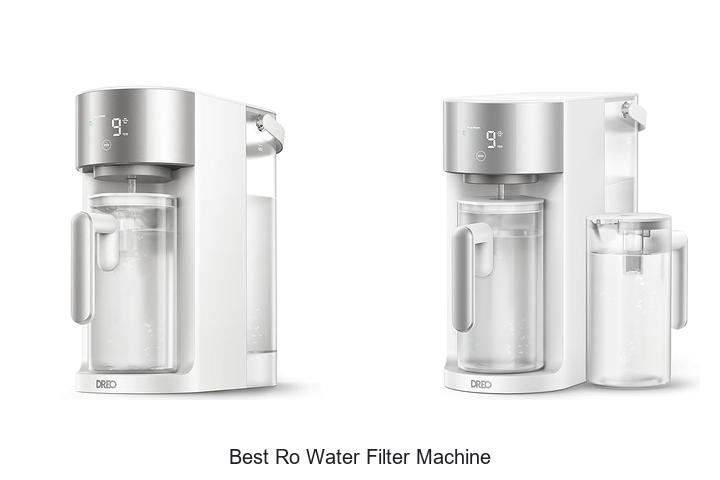
When searching for a water filter that effectively tackles microplastic contamination, focusing on key features can make all the difference in your experience and satisfaction. Activated carbon filters excel at improving taste and removing chlorine along with some contaminants but may not fully trap the tiniest plastic particles. Reverse osmosis systems, known for their multi-stage filtration, provide a thorough cleansing process capable of removing a wide variety of impurities, including microplastics, thanks to their fine membrane layers.
Reverse osmosis systems, known for their multi-stage filtration, provide a thorough cleansing process capable of removing a wide variety of impurities, including microplastics, thanks to their fine membrane layers. Ultrafiltration membranes serve as a middle ground by offering efficient removal of bacteria and suspended solids, with a pore size small enough to catch microplastics while maintaining reasonable water flow. Ceramic filters are a durable option that physically block particles, including microplastics, using a natural material with tiny pores, making them easy to clean and maintain over time.
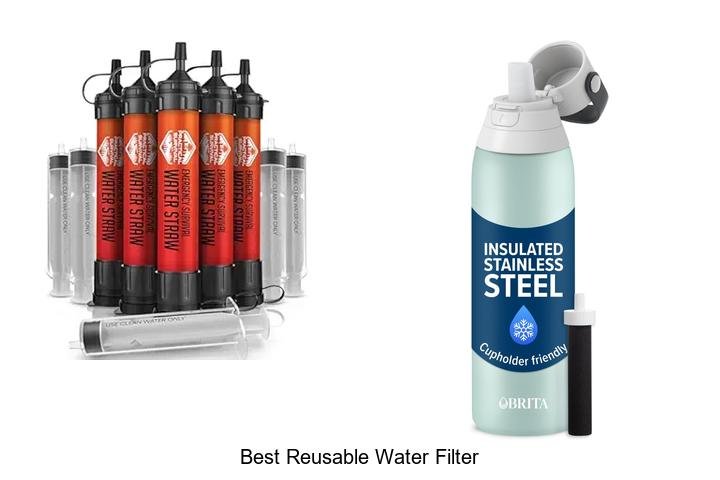
Depending on your daily needs—whether it’s for drinking water directly from the tap, camping trips, or improving household water quality—choosing a filter involves balancing filtration effectiveness, maintenance requirements, and budget. Always check the filter’s specifications for the size of particles it can filter and how often replacement is needed to keep its performance optimal. Investing in a solution that matches your lifestyle will help provide safe and clean water without unnecessary hassle.
Additional features and cost considerations
Choosing a water filter that effectively removes micro plastics involves considering how portable the device is and how much space it might occupy in your kitchen or on the go. Compact models can be beneficial if you need something easy to move or fit into tight spots, whereas larger systems typically offer higher filtration capacity but require more room. A reliable warranty often reflects the manufacturer’s confidence in their product, and responsive customer support can make a big difference if you ever encounter issues or need guidance on maintenance.
A reliable warranty often reflects the manufacturer’s confidence in their product, and responsive customer support can make a big difference if you ever encounter issues or need guidance on maintenance. When thinking about the price, it’s wise to balance upfront costs against the expected lifespan of the filter and the frequency of replacement cartridges, as some filters might be inexpensive initially but costly over time. Paying attention to value not only includes the efficiency of removing contaminants but also convenience factors like installation ease and ongoing expenses, ultimately helping to select a water filter that aligns well with both your lifestyle and budget.
FAQ’s
Can A Portable Water Filter Effectively Remove Microplastics From Tap Or Bottled Water?
Yes, certain portable water filters with fine pore sizes or specialized filtration media can effectively remove microplastics from tap or bottled water. However, the effectiveness depends on the filter’s design and specifications, so it’s important to choose one certified for microplastic removal.
What Features Should I Look For In The Best Water Filter For Removing Microplastics?
Look for a water filter with a micron rating of 1 micron or smaller, as this ensures effective removal of microplastics. Additionally, choose filters using activated carbon or reverse osmosis technology for enhanced filtration performance.
Which Types Of Water Filters Are Most Effective At Filtering Out Microplastics?
Activated carbon filters and reverse osmosis systems are most effective at filtering out microplastics, as they can remove particles down to very small sizes. Additionally, ultrafiltration membranes are also highly efficient in trapping microplastic contaminants from water.
Are There Any Certified Water Filters Specifically Designed To Eliminate Microplastics From Drinking Water?
Yes, some certified water filters are specifically designed to reduce microplastics in drinking water, often using advanced filtration methods like activated carbon, reverse osmosis, or ultrafiltration. It’s important to look for certifications such as NSF/ANSI standards to ensure the filter’s effectiveness against microplastics.
How Do Activated Carbon Filters Compare To Reverse Osmosis Systems In Removing Microplastics?
Activated carbon filters can reduce some microplastics by trapping particles through adsorption, but reverse osmosis systems are generally more effective, as their membrane filtration can remove much smaller particles, including most microplastics. Therefore, reverse osmosis provides a higher level of microplastic removal compared to activated carbon filters.
Conclusion
Choosing the best water filter for micro plastics involves weighing both effectiveness and user convenience. These filters excel at reducing tiny plastic particles that standard filters might miss, improving water quality and safety.
While some models require regular maintenance or replacement cartridges, many offer long-lasting performance and easy installation. This type of filter suits individuals concerned about environmental contaminants, families seeking healthier drinking water, or those relying on municipal water sources with questionable purity. Potential buyers should consider the filter’s certification, filtration capacity, and cost to match their needs.
Overall, selecting a reliable water filter for micro plastics can provide peace of mind by reducing exposure to harmful microplastic pollution—making it a practical investment for cleaner, safer hydration.