Best Water Filter For Sink That Will Blow Your Mind
Many people struggle with tap water that tastes off or contains impurities that could affect health and appliance longevity. Finding a reliable solution to improve water quality right at the sink can make a noticeable difference in daily life. The best water filter for sink setups offers a practical way to get cleaner, better-tasting water without complicated installation or extra space.
This category of water filter works well for anyone wanting easier access to purified water for cooking, drinking, or washing. In this review, you’ll learn about key features that matter when choosing a sink water filter.
We’ll look at performance, ease of use, maintenance, and affordability to help you make an informed decision. Whether you have concerns about contaminants or simply want fresher water, this guide will provide clear insights.
Discover the Top Solutions to Keep Your Tap Water Pure and Refreshing
| Image | Product | Price |
|---|
Unlock Pure Taste: How to Choose the Best Water Filter for Your Sink
Material quality and durability
Choosing a water filter for your sink comes down to the quality of the filter housing materials, which heavily influence both durability and performance over time. Metals like stainless steel tend to resist corrosion much better than plastic, providing a longer-lasting solution especially in kitchens with higher humidity.
A reliable warranty and responsive customer support can make a significant difference if any issues arise after installation, giving peace of mind and protection for your investment. Taking these factors into account ensures the filtration system remains effective and hassle-free for everyday use.
Installation and maintenance
Choosing a water filter for your sink often means looking at how easily it can be installed without requiring professional help. Many models come with straightforward instructions and components that fit standard sink setups, making the process manageable even for those with minimal DIY experience.
It’s helpful to measure the available space under your sink beforehand, as some filters and their associated plumbing can occupy more room than anticipated. This can affect where you place other items or storage in that area. Regular maintenance involves swapping out filter cartridges according to the manufacturer’s timeline, which usually ranges from a few months to a year depending on usage and water quality.
Replacement filters add to the overall cost, so considering how frequently they need changing and their price is wise when making a purchase decision.
Filtration capabilities
When selecting a water filter for your sink, paying attention to the types of contaminants it removes makes a significant difference in water quality and safety. Effective models typically tackle impurities such as chlorine, lead, bacteria, and sediment, which improves both taste and health standards. Certification from recognized organizations like NSF or the Water Quality Association serves as a reliable indicator of a filter’s performance and safety, giving confidence that it meets strict testing criteria.
Certification from recognized organizations like NSF or the Water Quality Association serves as a reliable indicator of a filter’s performance and safety, giving confidence that it meets strict testing criteria. The lifespan of the cartridge also plays a role in convenience and value; filters often require replacement anywhere from three to six months depending on usage and water conditions, so checking the expected duration helps avoid lapses in filtration. Considering these features alongside installation ease ensures that the chosen system fits well both functionally and practically in your daily routine.
Water flow rate and capacity
Choosing a water filter for your sink that balances flow rate and capacity can make a noticeable difference in everyday use. A good flow rate, often measured in gallons per minute (GPM), means water won’t trickle slowly when you turn on the tap, which is especially important during tasks like filling pots or washing hands. The filter’s capacity, indicating how many gallons it can process before needing replacement, affects ongoing convenience and maintenance costs.
The filter’s capacity, indicating how many gallons it can process before needing replacement, affects ongoing convenience and maintenance costs. A higher capacity filter reduces the frequency of cartridge changes while still maintaining water quality. It’s helpful to keep in mind that some models may slightly reduce water pressure due to the filtration process, so selecting one designed to minimize this impact will maintain a steady and comfortable water flow.
Balancing these factors ensures that your filtered water is easily accessible without unnecessary delays or interruptions, making your daily routine smoother and more efficient.
Types of sink water filters
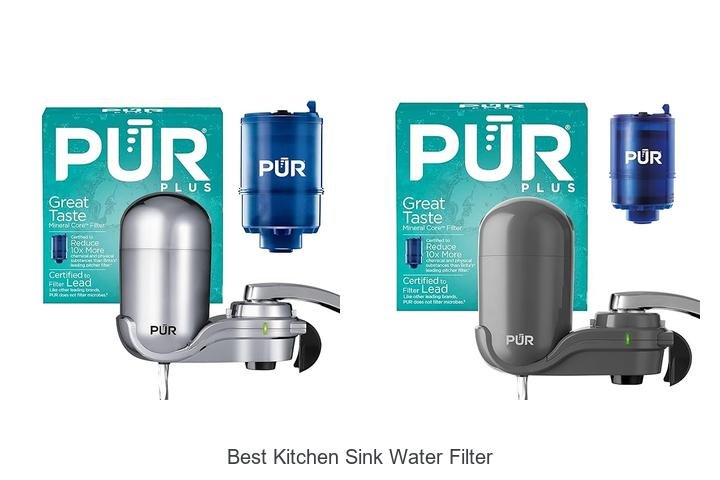
When choosing a water filter for your sink, several designs stand out based on how they connect to your water source and the level of filtration they provide. Faucet-mounted filters attach directly to the kitchen faucet, offering convenience and quick installation, which makes them suitable for those who want cleaner water without altering plumbing.
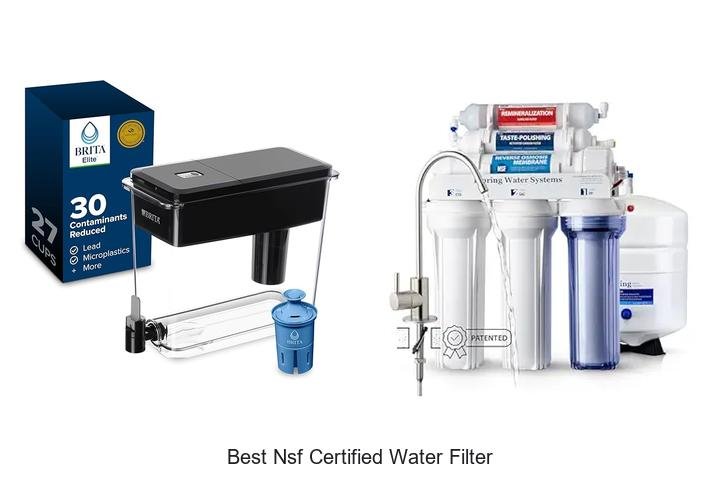
Undersink filters are installed beneath the sink and connect to the cold water line, providing a more discreet setup with higher filtration capacity without taking up counter space. Countertop filters sit on the kitchen counter and hook up to the faucet, delivering filtered water through a separate spout. These models are easy to install and maintain, ideal for renters or those who prefer a non-permanent solution.
For maximum purification, reverse osmosis systems use a multi-stage filtering process to remove a wide range of contaminants, including dissolved solids, making them perfect for households needing very pure water for drinking and cooking. When shopping for one, consider the quality of filtration, installation requirements, space available, and maintenance costs. It helps to check filter lifespan and replacement ease to avoid unexpected hassles, while assessing water usage and taste preferences can guide you toward a model that fits everyday needs without overpaying for features you may not use.
Cost and value
When choosing a water filter for your sink, thinking about both the upfront cost and ongoing expenses can save you money in the long run. Some filters might seem affordable at first glance, but the replacement cartridges can quickly add up and become a significant expense over time.
It’s helpful to check how often these filters need changing and whether their replacements are easily available and reasonably priced in your local area or online. Sometimes investing a bit more initially means you’ll spend less frequently on maintenance, as higher-quality systems often have longer-lasting filters. Keeping an eye on these factors will help you find a balance between quality and affordability, ensuring clean water without unexpected costs that could affect your budget later on.
FAQ’s
What Is The Average Cost Of A High-Quality Sink Water Filter?
The average cost of a high-quality sink water filter typically ranges from $50 to $150. Prices vary based on brand, filtration technology, and additional features.
How Easy Is It To Install A Water Filter On A Kitchen Sink?
Installing a water filter on a kitchen sink is generally easy and can often be done with basic tools in under an hour. Most filters come with clear instructions and require minimal plumbing skills, making it accessible for most DIY enthusiasts.
What Features Should I Look For In The Best Water Filter For My Sink?
Look for a water filter with certified contaminant removal, such as chlorine, lead, and bacteria, ensuring safe and clean water. Additionally, consider ease of installation, filter lifespan, and flow rate to match your sink setup and daily usage.
What Are The Top-Rated Water Filters For Kitchen Sinks In 202
The top-rated water filters for kitchen sinks in 2024 include the APEC Top Tier 5-Stage Ultra Safe Reverse Osmosis system and the Brita Tap Water Filter Faucet Attachment, both praised for effective contaminant removal and ease of installation. These filters are known for improving water taste and ensuring safe drinking water at home.
How Do Under-Sink Water Filters Compare To Countertop Filters?
Under-sink water filters are installed directly under the sink, offering a more permanent and space-saving solution with higher filtration capacity, while countertop filters are easier to set up and portable but take up counter space and typically have lower flow rates. Both provide effective filtration but differ mainly in installation, convenience, and capacity.
Conclusion
Choosing the best water filter for sink involves balancing factors such as filtration effectiveness, ease of installation, maintenance frequency, and cost. Many models offer excellent contaminant removal and improve taste, making tap water safer and more enjoyable.
Some filters may require regular cartridge replacement or have slower flow rates, which could be inconvenient depending on your household’s needs. This type of filter is particularly suitable for individuals seeking a practical solution to enhance daily water quality without complex plumbing changes. For buyers concerned about filter lifespan or compatibility with existing sinks, reviewing specifications before purchase can help avoid surprises.
Overall, a well-chosen water filter for your sink can provide reliable, clean water and serve as a worthwhile investment in health and convenience.