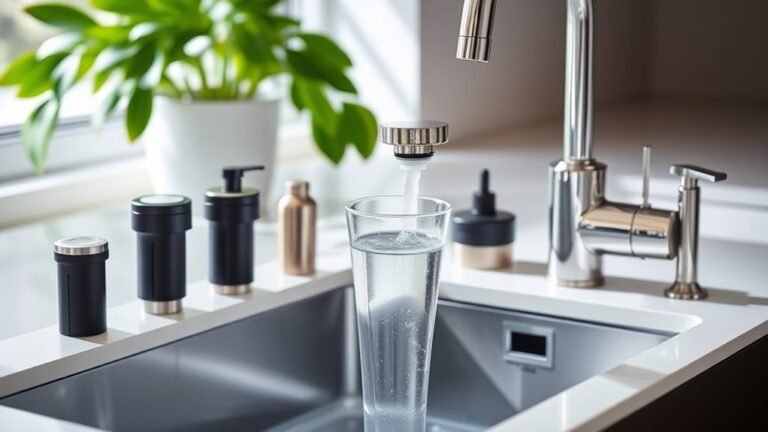
Best Water Filter for Tannins That Will Amaze You Today
Many homeowners struggle with orange or brown stains in their water, caused by tannins that come from decaying vegetation and soil runoff. This natural discoloration can affect the taste, odor, and appearance of your water, making everyday tasks less pleasant. Finding the best water filter for tannins is essential for anyone looking to improve water quality without complicated installation or harsh chemicals.
A tannin water filter targets these specific organic compounds, helping to clarify water and reduce staining on fixtures and laundry. This type of filter is ideal for well water users, rural households, or anyone experiencing issues related to tannins in their water supply.
It often combines specialized media and filtering technology to provide cleaner, clearer water. In this review, we will explore some of the leading water filters designed to remove tannins effectively.
This guide aims to help you make a confident and informed choice for better-tasting and cleaner water.
Say Goodbye to Stubborn Discoloration: Top Solutions for Clearer, Cleaner Water
| Image | Product | Price |
|---|
Say Goodbye to Discolored Water: How to Choose the Best Water Filter for Tannins
Cost and longterm considerations
When choosing a water filter designed to tackle tannins, it’s helpful to keep in mind how the initial purchase price aligns with your budget while also considering the ongoing costs associated with maintaining the system. Replacement filter costs can vary widely depending on the type and brand, so finding a balance between affordability and filter longevity will make a difference over time.
Energy consumption and operational expenses are often overlooked but play a role especially if the filter requires power for processes like ultraviolet purification or electronic controls. A reliable warranty and responsive customer support add peace of mind, as they reflect the manufacturer’s confidence in their product and provide assistance if issues arise. Keeping these factors in mind ensures a smoother experience and helps make a more informed investment in a water filter that effectively removes tannins from your water supply.
Understanding tannins in water
Tannins are natural organic compounds found in plants, leaves, and tree barks that can seep into water sources, causing a noticeable yellow or brown tint. They often originate from decaying vegetation or runoff, especially in areas with abundant forests or wetlands. The presence of these substances affects water quality by imparting a bitter or astringent taste, creating discoloration, and sometimes promoting unpleasant odors.
Many conventional filtration systems struggle to eliminate tannins effectively because these compounds are soluble and do not respond well to standard activated carbon or sediment filters. Specialized filters incorporating ion exchange resins, reverse osmosis, or certain types of granular activated carbon are typically more successful at reducing tannin levels.
Recognizing the source and impact of tannins helps when selecting a filtration solution designed to address these particular impurities without compromising water flow or adding unnecessary complexity to maintenance routines.
Water quality and testing
Testing for tannin concentration can be a valuable step when trying to understand the specific issues affecting your water source. These naturally occurring organic compounds often give water a yellow or brown tint and may impart a distinctive taste or odor.
Beyond tannins, it’s wise to be aware of other common contaminants such as iron, manganese, and organic matter that may coexist and influence water quality, sometimes complicating filtration choices. Taking into account water hardness—how much calcium and magnesium it contains—and pH levels is also helpful since these factors affect not only taste and appliance longevity but also the effectiveness of various filtration systems.
Soft water generally interacts differently with filter media than hard water, and pH levels can determine whether certain filters perform optimally or deteriorate faster. Gathering this information allows for more informed decisions when selecting a filtration solution tailored to your water’s unique profile.
Key features to look for
Choosing the best water filter for tannins involves paying attention to several important attributes that impact both performance and convenience. A high filter capacity and extended lifespan means fewer replacements and consistent effectiveness against the discoloration and taste issues caused by tannins in water.
It’s beneficial to select a filter that maintains a good flow rate and works well with your home’s water pressure, allowing for smooth water delivery without significant slowdowns. Filters certified by recognized testing organizations offer additional confidence, as they have undergone rigorous assessment to verify their ability to reduce tannins and other contaminants. Installation ease and straightforward maintenance also play a big role; systems that come with clear instructions or require minimal effort to replace cartridges save time and encourage regular upkeep, which keeps water quality at its best over the long term.
Considering these aspects carefully will help in finding a reliable water filter that meets daily needs and tackles tannin-related water issues effectively.
Types of water filters for tannins
When dealing with water containing tannins, choosing the right filtration method can make a noticeable difference in both taste and appearance. Activated carbon filters excel at improving flavor and reducing odors by trapping organic compounds but may not be sufficient alone for heavy tannin loads. Ion exchange systems have the added benefit of swapping out tannin molecules with less problematic ions, which can be particularly effective in water softening scenarios alongside tannin reduction.
Reverse osmosis units stand out for their thoroughness, forcing water through a semipermeable membrane that blocks a wide range of impurities, including tannins, making them a solid choice for those seeking near-pure water quality. Specialized tannin removal filters are designed specifically to handle these compounds and often combine multiple filtration technologies to target tannins efficiently.
When selecting a filter, consider the concentration of tannins in your water supply and the specific use—whether for drinking, cooking, or irrigation—as this can influence which filtration process will be most effective and economically sensible over time. Installation complexity and maintenance demands also come into play, especially if you prefer a one-time setup versus regular upkeep.
By balancing these key features and thinking about how you plan to use the filtered water, it becomes more straightforward to find a solution that fits your needs without overcomplicating the setup or budget.
User experience and reviews
Choosing a water filter that effectively handles tannins can make a significant difference in both taste and clarity of your water. Filters designed specifically for tannins often incorporate resin or activated carbon technologies, which excel in removing the characteristic yellowish or brownish discoloration and unpleasant flavors that tannins cause. Their realworld effectiveness against tannins becomes apparent when water looks noticeably clearer and tastes fresher after filtration.
Their realworld effectiveness against tannins becomes apparent when water looks noticeably clearer and tastes fresher after filtration. Durability plays a crucial role as well; models constructed with sturdy housings and high-quality filtration media tend to provide consistent performance over time without frequent replacement needs. From an ease of use and maintenance standpoint, many units feature straightforward cartridge replacements and minimal upkeep, making them suitable even for those unfamiliar with complex filtration systems.
Regular monitoring of filter life and following manufacturer guidelines helps maintain reliability and prevents performance drops. Taking these factors into account enables a smooth experience with reduced frustration, ensuring you enjoy cleaner, better-tasting water day after day.
FAQ’s
What Types Of Water Filters Are Most Effective At Removing Tannins?
Activated carbon filters and reverse osmosis systems are most effective at removing tannins from water. These filters adsorb and reduce tannin compounds, improving water taste and color.
How Do Tannin Filters Work To Improve Water Quality?
Tannin filters work by using ion exchange resins that remove tannins and organic compounds responsible for discoloration and unpleasant taste in water. This process improves water clarity and quality without adding chemicals.
Can A Regular Carbon Water Filter Remove Tannins From Water?
A regular carbon water filter can reduce some tannins but is not highly effective at completely removing them. Specialized filtration methods like ion exchange or reverse osmosis are typically needed for thorough tannin removal.
Are There Specific Brands Known For The Best Tannin Water Filters?
Yes, brands like Berkey, Aquagear, and Big Berkey are well-known for their effective tannin water filters. These filters are recognized for removing tannins and other organic compounds, improving water taste and quality.
What Factors Should I Consider When Choosing A Water Filter For Tannin Removal?
When choosing a water filter for tannin removal, consider the filter’s ability to specifically target organic compounds like tannins and its compatibility with your water source’s pH and hardness levels. Additionally, look for filters that use activated carbon or ion exchange resins, as these are effective at reducing tannin discoloration and taste.
Conclusion
Selecting the best water filter for tannins involves balancing effective removal with ease of maintenance and cost. Filters specifically designed to target tannins excel at improving water clarity and taste, making them ideal for homes affected by natural organic matter common in well or surface water. While some models may require periodic replacement of cartridges and can vary in filtration speed, their ability to reduce discoloration and odor often outweighs these minor drawbacks.
For individuals seeking a straightforward solution to tannin-contaminated water without extensive setup, these filters provide reliable performance. Ultimately, choosing the right product depends on your specific water quality and usage needs, but those prioritizing tannin removal will find these filters a practical and efficient option to improve water quality.