Best Water Filter For Your House: Top Picks You Can’t Miss
Many people face concerns about the quality of their tap water and want a reliable way to keep their household drinking water clean and safe. Finding the best water filter for your house can make a significant difference in reducing contaminants and improving taste. A good water filter suits anyone looking to protect their family’s health without dealing with complicated setups or frequent maintenance.
A good water filter suits anyone looking to protect their family’s health without dealing with complicated setups or frequent maintenance. The right model offers clear, filtered water directly from your tap while helping remove common impurities like chlorine, sediment, and certain metals. This review will help you understand what features matter most, highlight some of the leading options on the market, and explain which water filters fit different needs and budgets.
By the end, you’ll have the information needed to make a well-informed decision about the best water filter for your house.
Discover Top Solutions to Ensure Pure and Refreshing Water for Every Home
| Image | Product | Price |
|---|
Find the Best Water Filter for Your House: Ultimate Guide to Clean, Pure Water Every Day
Filter capacity and flow rate
Choosing the right water filter involves paying attention to how many gallons the unit can process daily, since this affects both performance and convenience. For households with multiple people or higher water usage, a filter with a generous daily capacity will prevent any unexpected shortages and maintain a steady flow.
Considering the specific needs of your household—such as the number of bathrooms, appliances that use water, and overall consumption—will guide you toward a filter that supports your routine without compromising water pressure or running out quickly.
Certification and standards
When choosing a water filter, paying attention to certifications like NSF and ANSI can be a reliable way to know the product has met established safety and performance standards. These certifications result from rigorous third-party testing that verifies a filter’s capability to remove specific contaminants effectively, providing peace of mind that your water is cleaner and safer to drink. Additionally, ensuring that the filter complies with local water safety regulations is helpful, since water quality and potential impurities vary by region.
Filters designed for general use might not address all local water concerns, so selecting one that aligns with the regulatory requirements where you live can make a significant difference in overall water quality. Considering these factors alongside your specific household needs can lead to a more satisfying and health-conscious purchase.
Water quality and contaminants
Getting the right water filter depends largely on understanding what is in the water supply. Testing the source provides a clear picture of the different particles, chemicals, or microorganisms that need to be addressed.
Filtration needs vary widely based on these factors, so choosing a system tailored to the specific impurities ensures cleaner and safer water for everyday use. For instance, a filter designed for removing heavy metals will differ from one targeting microbial threats.
Matching these features to your household requirements, including flow rate and maintenance ease, will offer the best experience and value over time.
Types of water filters
Selecting the right water filter involves understanding how different filtration methods impact water quality and suit household needs. Activated carbon filters excel at improving taste and odor by removing chlorine and organic compounds, making them ideal for general city water use.
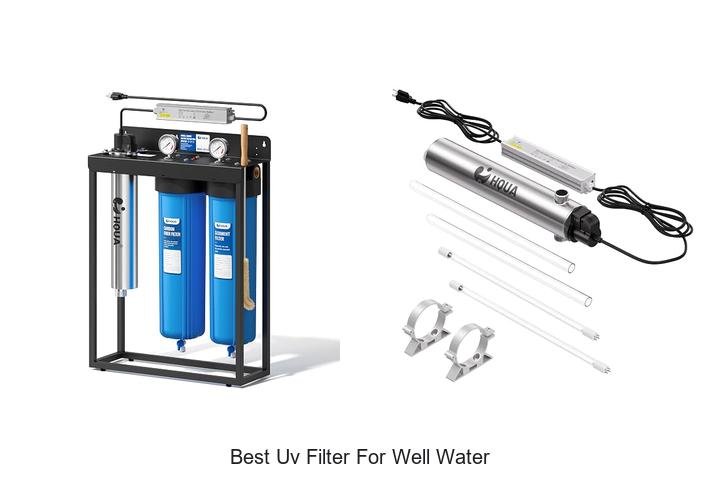
UV purification targets bacteria and viruses through ultraviolet light, offering a chemical-free way to ensure microbiological safety, a feature often sought by families concerned with biological contaminants. Ceramic and mechanical filters work by physically blocking sediment and larger particles, which can extend the life of other filters and are useful in areas with turbidity issues.
When choosing a filter, consider the source and quality of your water, how much maintenance you’re willing to perform, and the initial and ongoing costs associated with replacement parts or electricity. Sizing the system to your household’s daily consumption and verifying certification standards can also contribute to long-term satisfaction and water safety.
Installation and maintenance
When selecting the best water filter for your house, paying attention to how easy it is to install can save a lot of time and frustration. Many models are designed for simple setup without professional help, which is ideal for those who prefer quick, hassle-free solutions.
It’s beneficial to consider the price of replacement filters, as some premium options can become costly over time. Regular maintenance generally involves cleaning or rinsing certain components and swapping out used filters, so choosing a system with straightforward instructions and accessible parts makes upkeep more manageable.
Systems that demand minimal effort to maintain tend to be more user-friendly and encourage consistent use, ensuring that water quality remains high. Overall, a water filter that balances easy installation with manageable maintenance routines will provide reliable performance without adding unnecessary chores to your schedule.
Budget and longterm costs
Choosing the right water filter involves understanding how initial purchase price fits into your overall expectations and needs. While some options may seem affordable upfront, it is wise to evaluate the cost of replacement filters and parts over time since these ongoing expenses can add up and impact your satisfaction with the product.
Depending on the type of filtration system, energy consumption and operational costs might also influence your decision, especially for units that require electricity to function. Experienced users often recommend balancing these factors against the effectiveness of the filter and ease of maintenance to find a solution that will serve well without unexpected expenses or hassle down the line.
FAQ’s
Are There Any Health Benefits To Using A Water Filter In My Home?
Yes, using a water filter at home can improve water quality by removing contaminants such as chlorine, lead, and bacteria, which may contribute to better overall health. Additionally, filtered water often tastes better, encouraging increased hydration.
What Are The Different Types Of Water Filters Suitable For Home Use?
The different types of water filters suitable for home use include activated carbon filters, reverse osmosis systems, UV purifiers, and ceramic filters. Each type effectively removes different contaminants, catering to various water quality needs.
How Often Should I Replace Or Maintain A Home Water Filter?
Home water filters should generally be replaced or maintained every 3 to 6 months, depending on the manufacturer’s recommendations and your water usage. Regular maintenance ensures optimal filtration performance and water quality.
What Factors Should I Consider When Buying A Water Filter For My House?
When buying a water filter for your house, consider the specific contaminants in your water supply, filter type (such as carbon, reverse osmosis, or UV), and flow rate requirements. Additionally, evaluate maintenance needs, certification standards, and your budget to ensure effective and convenient filtration.
How Do I Choose The Best Water Filter For My Household Needs?
To choose the best water filter for your household, first identify the specific contaminants in your water by testing it, then select a filter certified to remove those impurities while matching your water usage and budget. Consider factors like filtration type, maintenance requirements, and flow rate to ensure optimal performance and convenience.
Conclusion
Choosing the best water filter for your house involves balancing factors like filtration effectiveness, ease of installation, maintenance requirements, and budget. High-quality filters effectively remove contaminants such as chlorine, lead, and sediment, improving taste and safety. However, some models may require regular cartridge changes or professional setup, which could add to ongoing costs.
This type of water filter is ideal for families seeking cleaner drinking water without complicated systems or excessive expense. For those prioritizing both health and convenience, selecting a reliable system with clear performance certifications can address any lingering doubts.
Ultimately, the best water filter for your house will match your specific water quality needs and lifestyle, providing confidence in the water you and your loved ones consume daily.