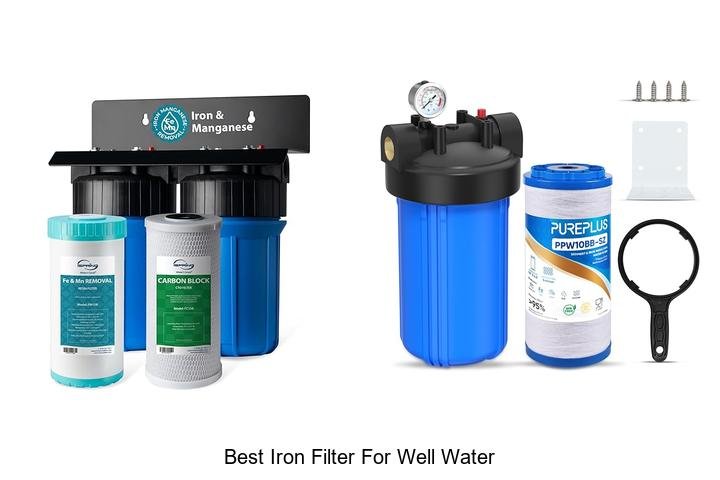
Best Water Filter Home Use: Top Picks You Can’t Miss!
Water quality plays a big role in daily health, but many homes still face concerns over contaminants and taste. Choosing the best water filter home use can make a noticeable difference in the water you drink and cook with every day. A reliable water filter offers clean, clear water by removing impurities, making it a practical addition for families, renters, or anyone wanting safer water straight from the tap.
A reliable water filter offers clean, clear water by removing impurities, making it a practical addition for families, renters, or anyone wanting safer water straight from the tap. The right system balances effectiveness with ease of installation and maintenance. This review will cover key features such as filtration methods, installation, maintenance, and value to help you decide which water filter suits your household needs.
By the end, you’ll have a clearer idea of how these products perform and what to expect before making a purchase.
Discover Top Solutions for Cleaner, Healthier Drinking Water in Your Household
| Image | Product | Price |
|---|
Ultimate Guide to Choosing the Best Water Filter for Your Home: Clean, Safe, and Refreshing
Water quality and contaminants
Choosing the right device for cleaner drinking water begins with a clear understanding of local water quality reports, which can provide insight into specific impurities present in your tap water. These reports often highlight common substances such as chlorine, lead, sediment, or microbial contaminants that might affect taste and safety. Knowing which impurities are most prevalent where you live helps in selecting a system designed to effectively reduce those particular elements.
Testing your water ahead of a purchase offers a more precise look at the contaminants lurking beyond general reports, allowing you to pinpoint issues like hardness or unusual chemical traces that could require specialized filtration technology. Considering these factors will guide you toward a solution that not only improves flavor but also safeguards your family’s health by addressing contaminants unique to your water supply.
Certification and standards
When choosing the best water filter for home use, paying attention to certifications like NSF and ANSI is a reliable way to verify that the product has been rigorously tested for contaminant reduction and safety. These certifications can give confidence that the filter meets industry standards rather than relying solely on marketing claims. Additionally, considering local water quality regulations helps in selecting a filter that complies with the specific contaminants found in your area, which can vary widely depending on geographic location.
Additionally, considering local water quality regulations helps in selecting a filter that complies with the specific contaminants found in your area, which can vary widely depending on geographic location. It’s wise to research the manufacturer’s reputation as well, as brands with a long-standing history and positive customer feedback tend to offer better build quality and more reliable performance. A solid warranty provided by the manufacturer is another key feature indicating confidence in the product’s durability and effectiveness, offering peace of mind should issues arise.
Together, these factors create a trustworthy foundation when investing in a home water filter that will provide clean and safe water consistently.
Installation and maintenance
When considering the best water filter home use, paying attention to the ease of installation and ongoing maintenance can save a lot of hassle down the line. Some models are designed with user-friendly features that allow for straightforward DIY installation, typically requiring only basic tools and minimal plumbing knowledge.
In contrast, other units may demand professional expertise to ensure proper setup and optimal performance, especially those integrated into existing plumbing systems. Regular filter replacement is a key aspect that influences long-term satisfaction; choosing a filter with simple cartridge swaps can make this process quick and mess-free. Additionally, keeping the system clean and well-maintained helps maintain water quality and extends the life of the device.
Therefore, selecting a filter known for accessible upkeep routines and clear manufacturer guidelines will make it easier to handle routine cleaning, preventing buildup or clogging. Balancing these factors based on your comfort with hands-on tasks often leads to a smoother experience and better enjoyment of cleaner water.
Filter capacity and lifespan
Choosing the right water filter for home use comes down to understanding how much water it can effectively handle before needing a replacement and how long that filter will last with regular use. Pay attention to the volume of water the filter processes daily, since this affects not only how quickly it purifies but also how often you will have to replace the cartridge. A higher flow rate means cleaner water more quickly, but the daily capacity should match your household’s typical consumption to avoid frequent filter changes.
A higher flow rate means cleaner water more quickly, but the daily capacity should match your household’s typical consumption to avoid frequent filter changes. Speaking of replacements, some filters require swapping out every few months, while others may last up to a year depending on usage and water quality. Replacement filters are an ongoing cost, so factoring in how much they run and their availability can save you hassle and expense down the line.
Filters with longer lifespans might have a higher upfront cost but tend to offer better value over time. For best results, balance your household size and water needs with a model that provides steady flow, manageable maintenance, and affordable filter cartridges for continued clean drinking water without frequent interruptions.
Types of water filters for home use
When choosing a water filter for your home, paying attention to how each type works and what it offers can make a big difference in the quality of water you end up with. Activated carbon filters are great at removing chlorine, unpleasant odors, and organic compounds, which makes tap water taste much better without stripping away beneficial minerals. Reverse osmosis systems take purification a step further by pushing water through a fine membrane, effectively eliminating a wide range of contaminants including heavy metals and dissolved solids, though they tend to waste some water during the process.
Reverse osmosis systems take purification a step further by pushing water through a fine membrane, effectively eliminating a wide range of contaminants including heavy metals and dissolved solids, though they tend to waste some water during the process. UV purifiers focus on neutralizing bacteria and viruses through ultraviolet light, providing a chemical-free way to ensure microbiological safety, but they don’t remove particles or chemicals. Ceramic filters shine when it comes to filtering out sediment, bacteria, and even some protozoa thanks to their fine porous structure, making them a reliable choice especially for areas with murkier water.
Distillation units work by boiling water and then condensing the steam, which results in very pure water free of most contaminants, although the process can be slow and energy-intensive. Depending on your local water quality and what you’re aiming to remove, combining these methods or choosing the one that targets your main concern will help you get clean, refreshing water.
Also, consider installation ease and whether you prefer a whole-house system or a point-of-use one, like those that attach directly to your faucet or sit under the sink. Understanding what contaminants are common in your water source will guide you toward the best fit for your home’s needs while keeping your water safe and pleasant to drink.
Budget and value
When selecting the best water filter for home use, keeping an eye on the initial purchase price alongside the long-term operating costs helps strike a balance between upfront affordability and ongoing expenses. Many filters might appear budget-friendly at first but require frequent replacement cartridges or high maintenance, which can add up over time. Conversely, some models demand a higher initial investment but offer durable components and longer-lasting filters, leading to savings down the road.
Matching your choice to the water quality in your area and daily consumption needs will also influence the overall cost-effectiveness. Prioritizing a system that provides reliable filtration performance without excessive upkeep ensures a practical and economical solution for clean drinking water every day.
FAQ’s
What Are The Health Benefits Of Using A Water Filter At Home?
Using a water filter at home helps remove contaminants, such as chlorine, lead, and bacteria, ensuring cleaner and safer drinking water. This can improve overall health by reducing the risk of waterborne illnesses and supporting better hydration.
Are Countertop Or Under-Sink Water Filters Better For Home Use?
Countertop water filters are typically easier to install and maintain, making them convenient for many households, while under-sink filters save space and provide a more discreet setup. The best choice depends on your kitchen layout, filtration needs, and preference for installation type.
How Do I Choose The Best Water Filter For My Household Needs?
To choose the best water filter for your household, first identify your water quality by testing for contaminants and consider your specific needs like filtration type, capacity, and budget. Then, select a filter certified to remove those contaminants while fitting your plumbing setup and maintenance preferences.
What Are The Most Effective Types Of Water Filters For Home Use?
The most effective types of water filters for home use are activated carbon filters, which remove chlorine and organic contaminants, and reverse osmosis systems, which eliminate a wide range of impurities including heavy metals and dissolved solids. Combining these technologies often provides the best overall water quality.
How Often Should I Replace The Filters In My Home Water Filtration System?
You should replace the filters in your home water filtration system every 3 to 6 months, depending on the manufacturer’s recommendations and your water usage. Regular replacement ensures optimal performance and water quality.
Conclusion
Choosing the right water filtration system can greatly impact the quality and safety of your drinking water. The best water filter home use offers clear advantages such as removing contaminants, improving taste, and providing convenience. However, factors like filter lifespan, maintenance requirements, and initial cost should be weighed carefully.
This type of filter suits households seeking reliable purification without complex installation or high ongoing expenses. For those concerned about water purity and health, it presents a practical solution.
While no single product fits every need perfectly, the best water filter home use balances performance and affordability, making it a sensible choice for most families aiming to enhance their water quality with minimal hassle.